
Last updated November 2, 2026
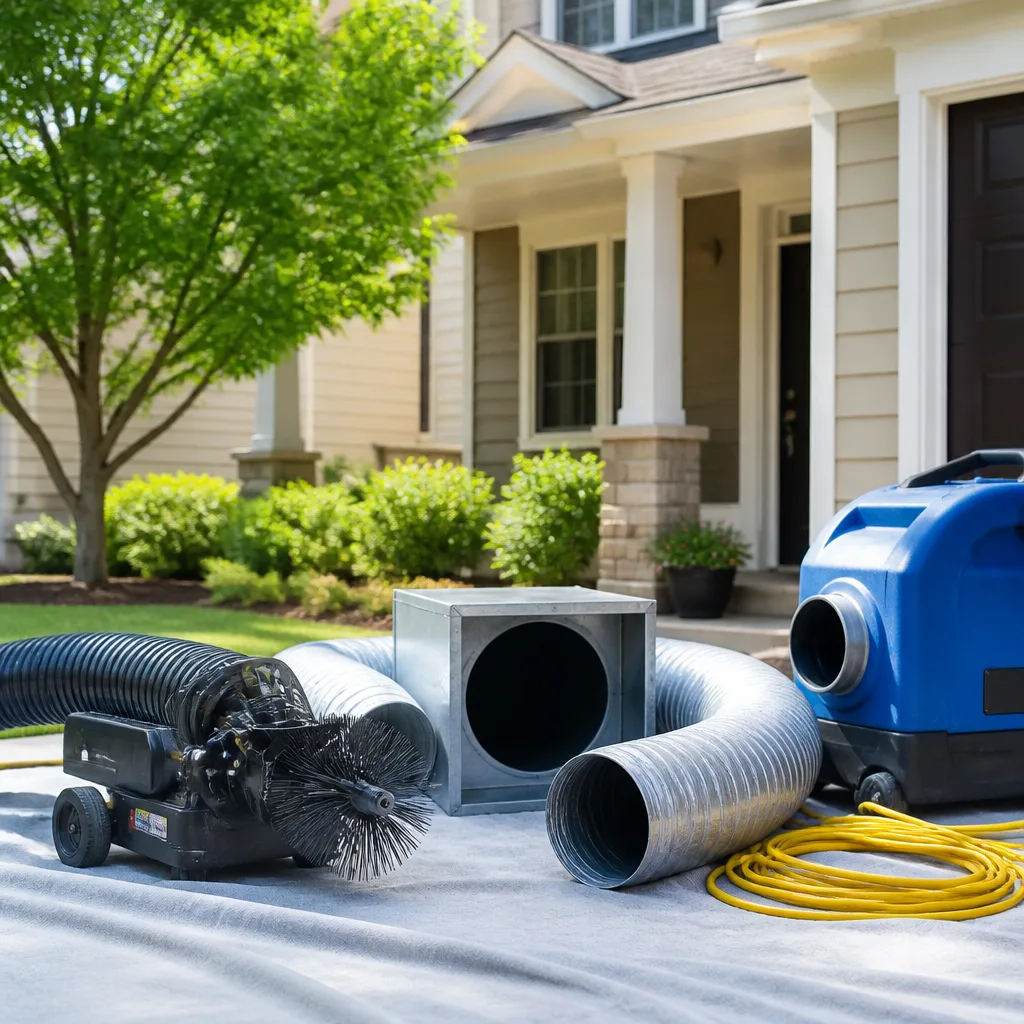 Whole-home duct cleaning
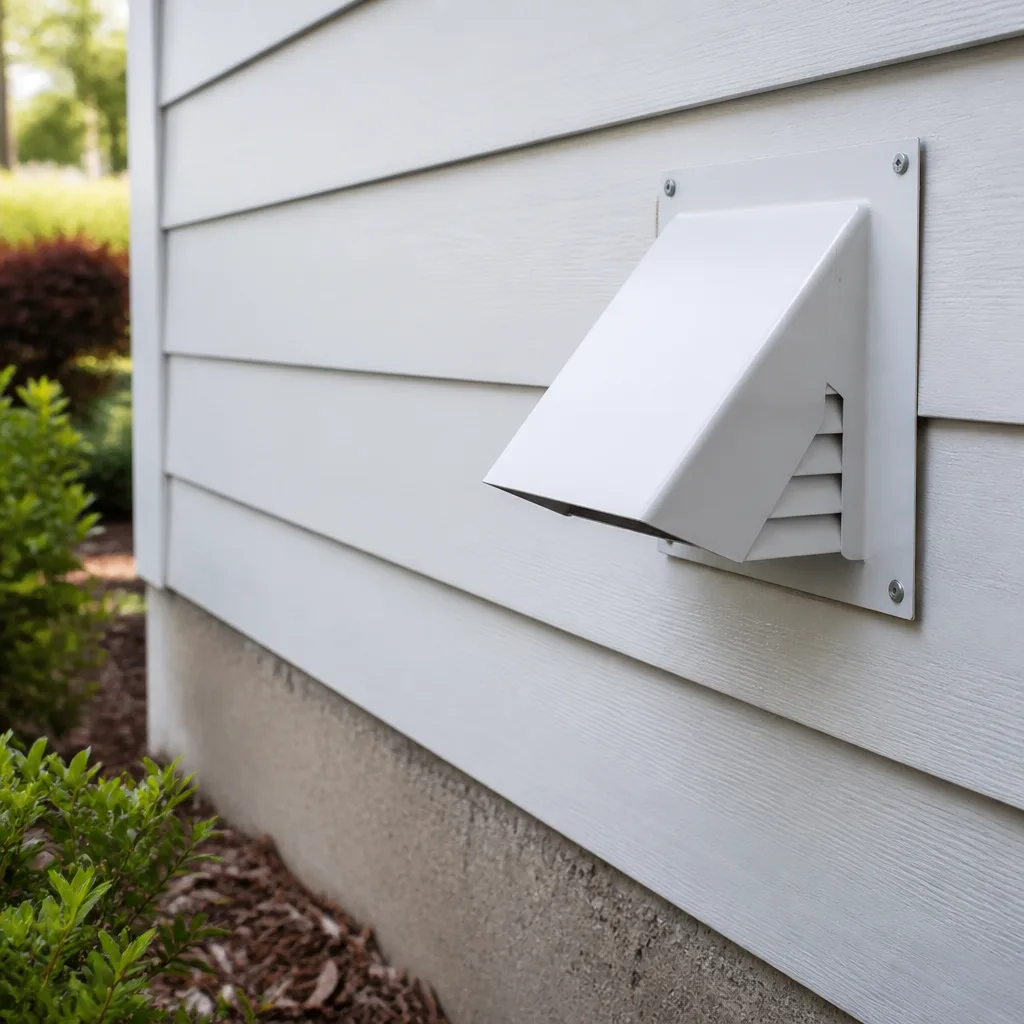 Dryer vent cleaning
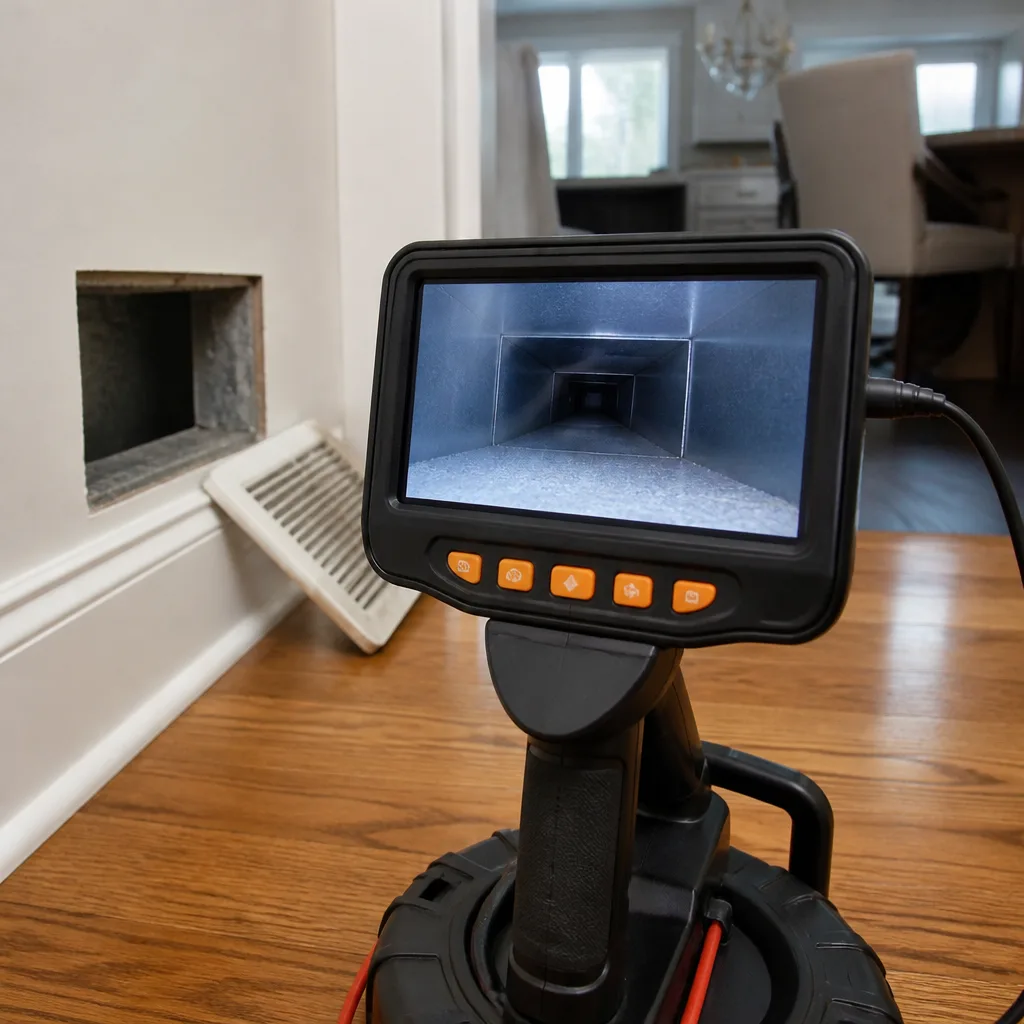 Camera inspection
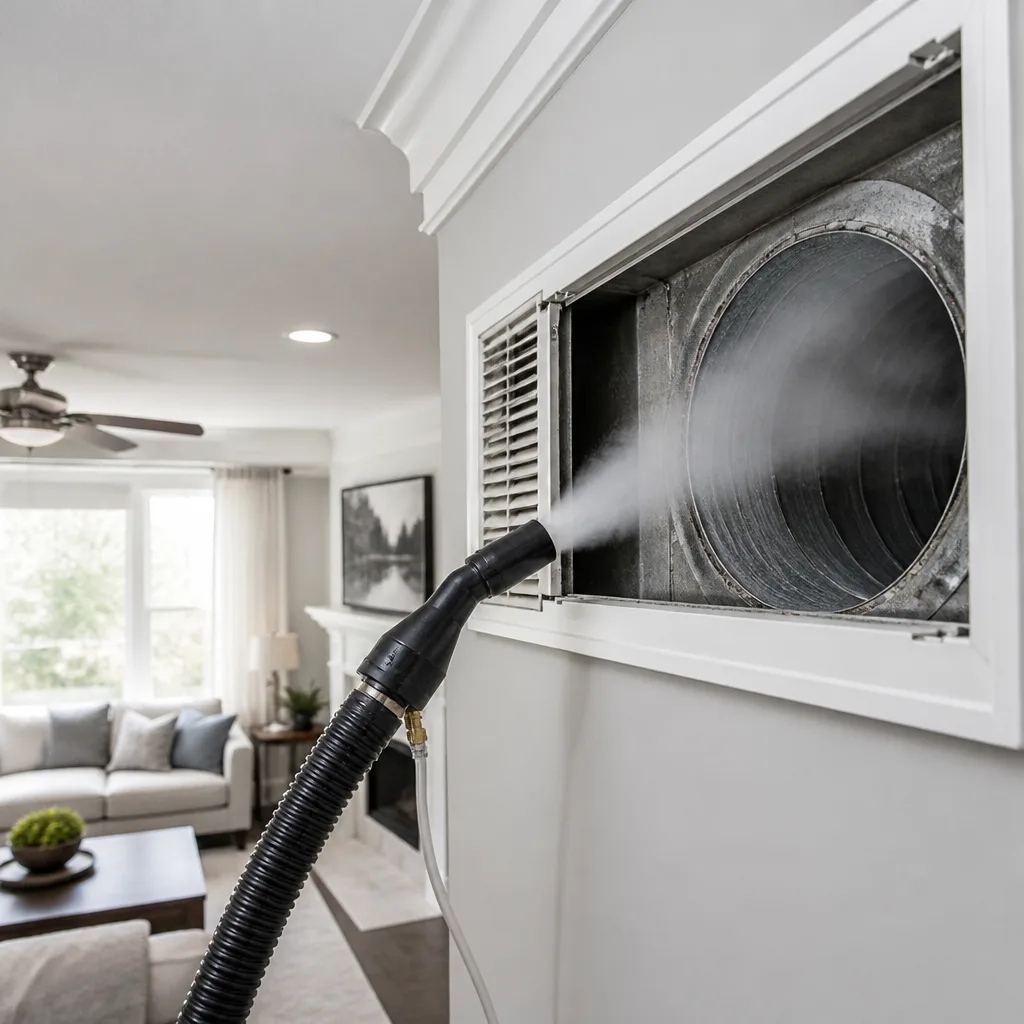 Sanitizing & deodorizing
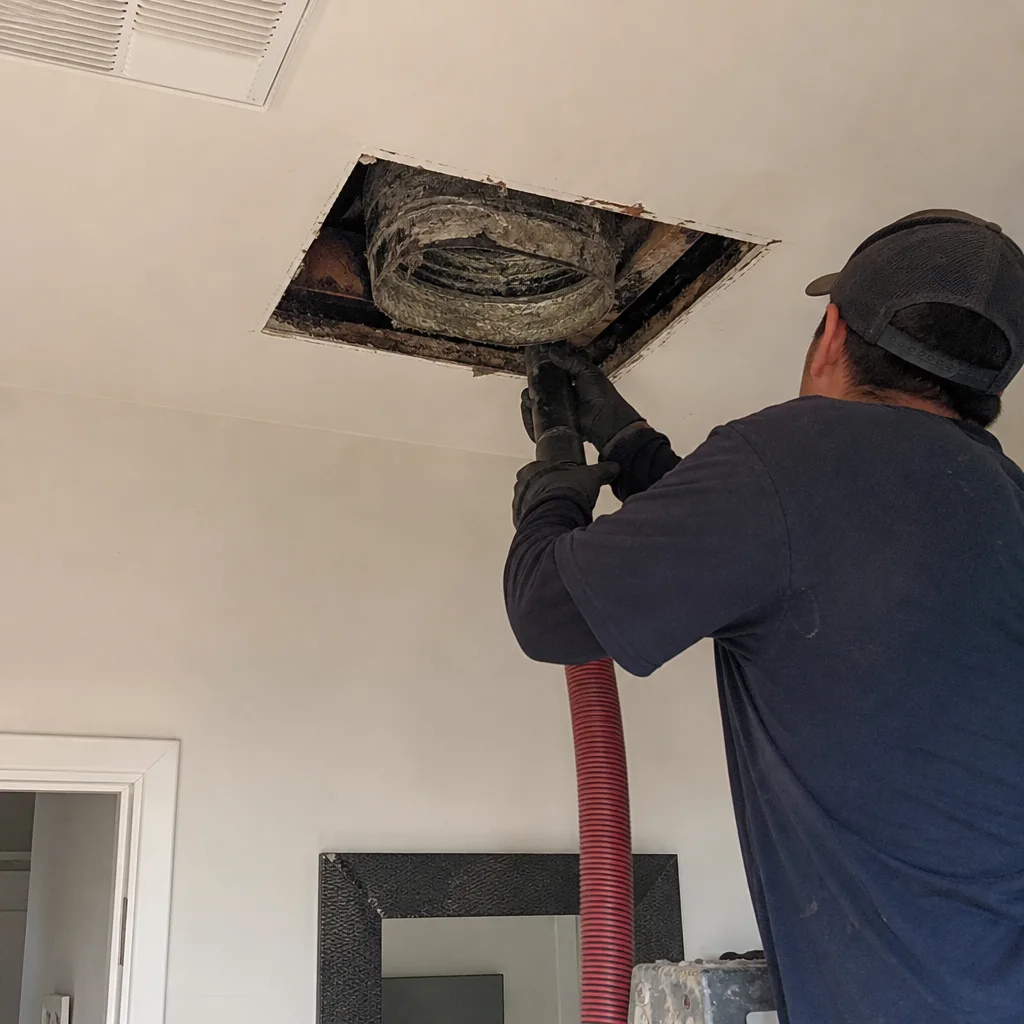
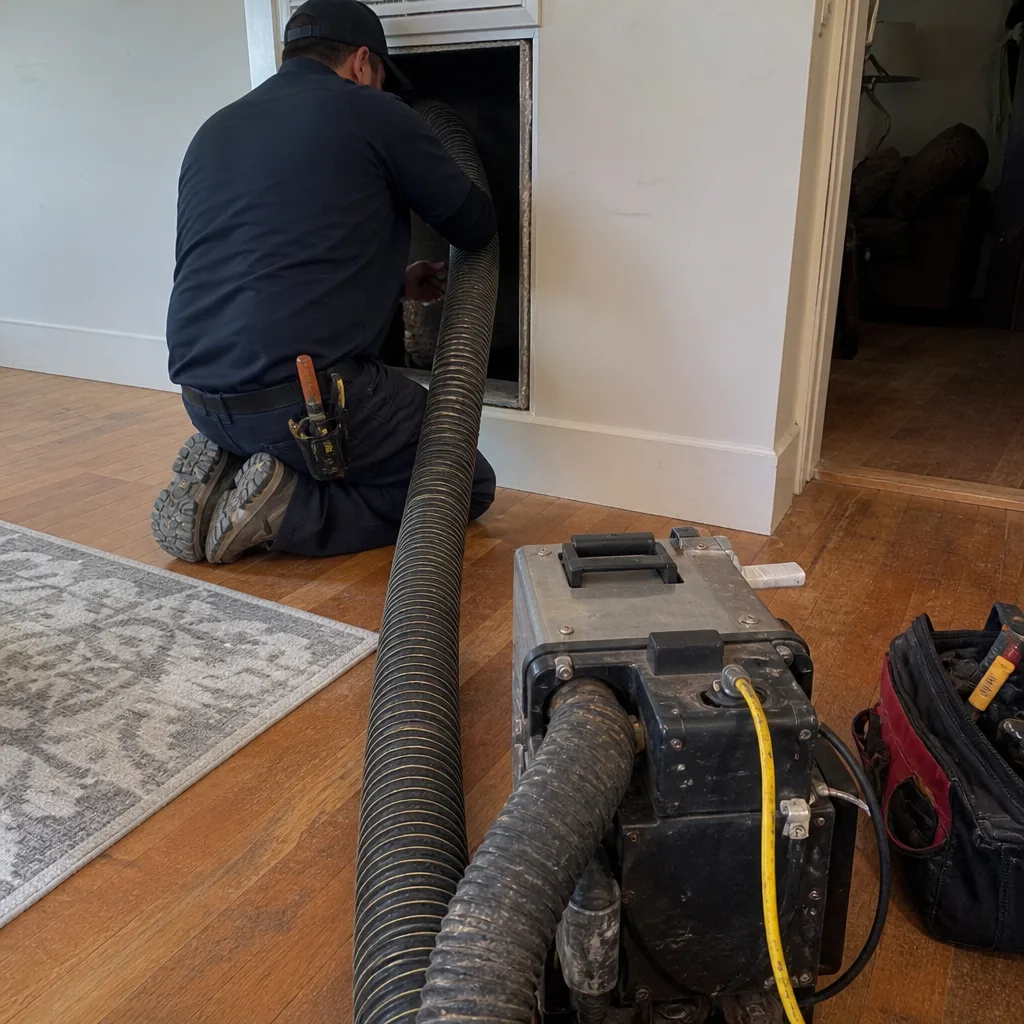
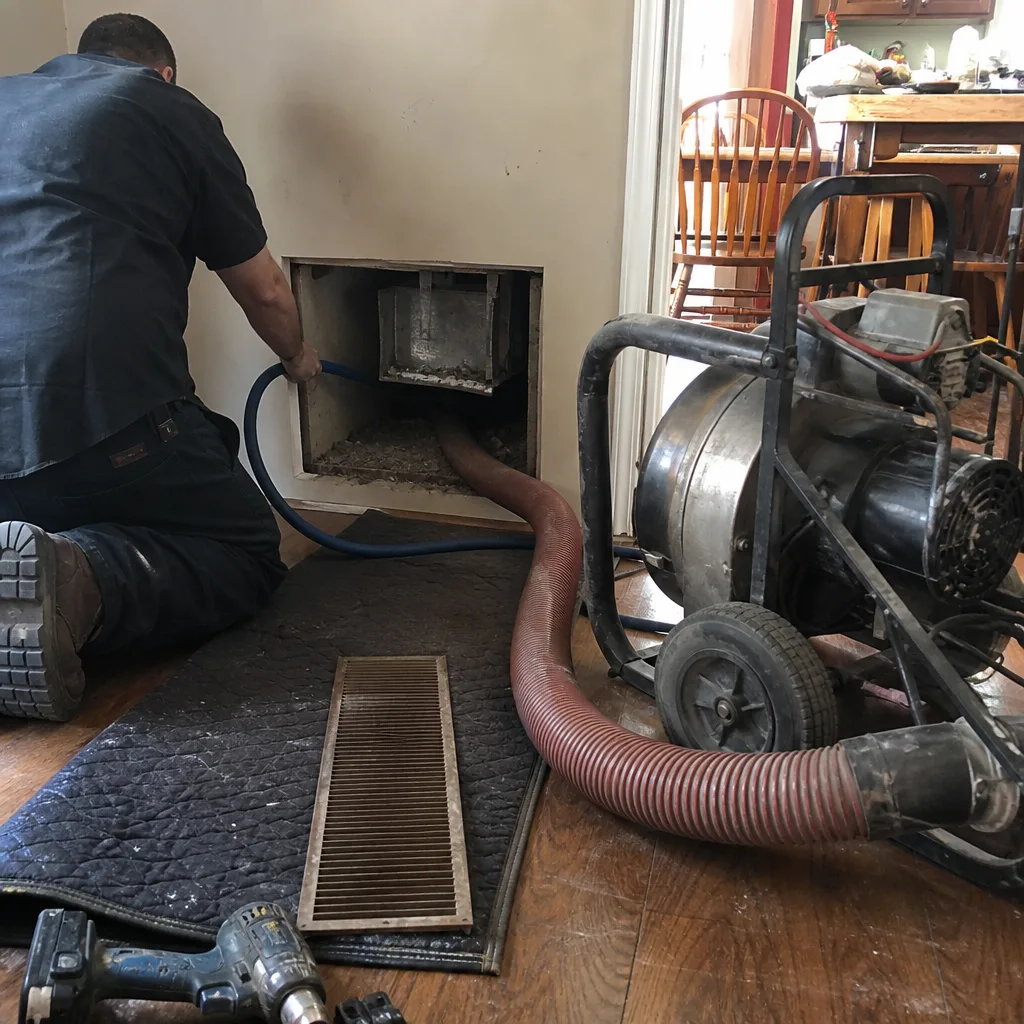
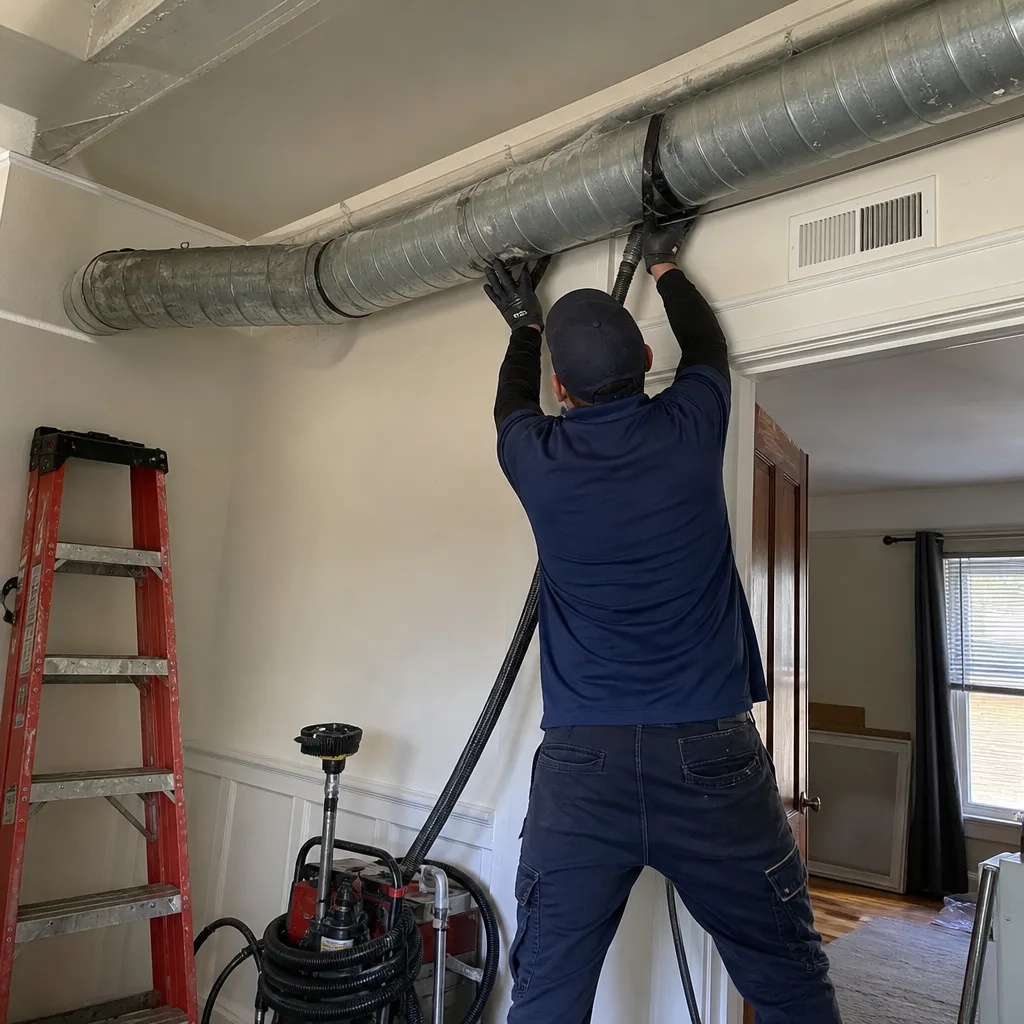
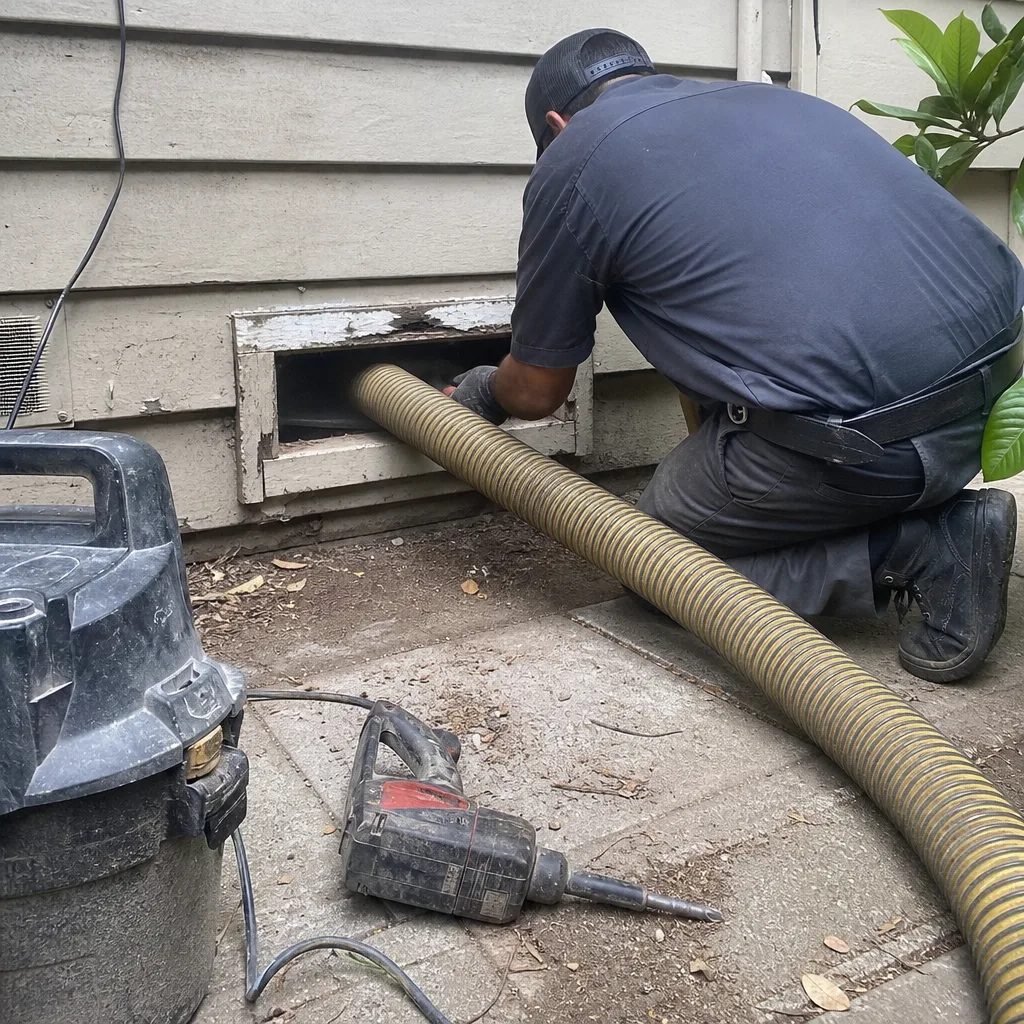
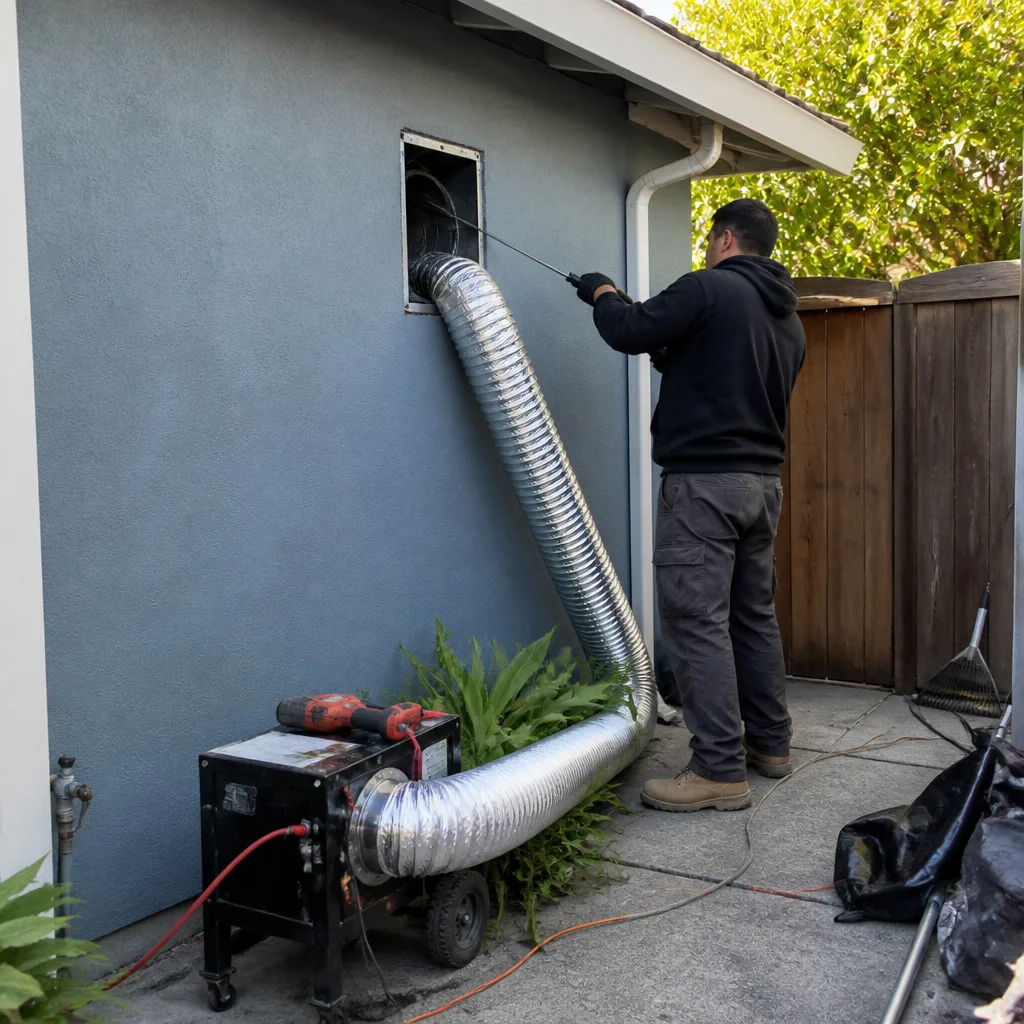
Whole-system duct and dryer vent check with before-and-after photos - you see exactly what came out of your vents
That "$99 whole-house special" is a bait ad - the real number appears once they are in your hallway, or the "clean" is a shop-vac at the register. We photograph the inside of your ducts before and after instead.
Air Duct Cleaning Emergency Preparedness Guide for Oakland Homes
In October 2019, during the Kincade Fire, Oakland’s air quality index hit 187. Unhealthy for everyone. Schools closed. People taped windows shut. But here’s what no one tells Oakland homeowners: your HVAC system, running faithfully through those weeks, became a particulate collection device. The filter caught some of it. The ductwork caught the rest. And ductwork has no self-cleaning function. This guide covers what to do before, during, and after an air quality emergency in Oakland, from wildfire smoke to earthquake damage to a renovation that went sideways. We’ll walk through shutdown protocols, inspection criteria, documentation that saves hours later, and when cleaning is genuinely warranted versus when it can wait.
Styles & brands we work with
- Whole-home duct cleaning
- Dryer vent cleaning
- Camera inspection
- Sanitizing & deodorizing
Quick Answer
Oakland homes need an emergency preparedness plan for duct systems because regional wildfire smoke, seismic activity, and renovation dust all compromise indoor air quality through ductwork that looks fine from the outside. The protocol: shut down the HVAC when smoke is heavy, upgrade to MERV 13 filtration during events, wait at least 48 hours after air clears before running the system again, then inspect or have a professional assess whether air duct cleaning in Oakland is warranted based on visible soot, filter condition, and odor. After any significant earthquake, inspect flex duct connection points before running the system.
Table of Contents
- Wildfire Smoke Protocol: Your First 72 Hours in Oakland
- When Post-Smoke Duct Cleaning Is Warranted Versus Precautionary
- Earthquake Preparedness for Oakland Duct Systems
- Post-Renovation Emergency: Construction Dust and Your Ducts
- Building Your Home Emergency File: The 10-Minute Documentation Task
- Temporary Filtration Options While You Wait
- What to Do Yourself After an Air Quality Event (and What Not to Touch)
- Common Mistakes to Avoid
- When to Call a Professional
- Frequently Asked Questions
- The Bottom Line
Wildfire Smoke Protocol: Your First 72 Hours in Oakland
When the Bay Area Air Quality Management District issues a Spare the Air alert, or you wake up to that familiar orange-brown haze over Lake Merritt, your HVAC system is either part of the solution or part of the problem. The wrong move is running it continuously and assuming the filter handles everything. The right sequence matters.
- Set the system to fan-only with the highest MERV filter your unit accepts. Most Oakland homes are built with MERV 8 filters because that’s what the furnace frame accommodates. A MERV 13 filter captures far more smoke particulate, but it also increases static pressure. Check your blower motor’s manufacturer limit before upgrading. Homes in the Oakland Hills with newer variable-speed systems typically handle MERV 13 without strain. Older flatland bungalows with single-speed blowers may not.
- Close the fresh-air intake damper. Many newer Oakland homes, especially those built after 2010 under California Title 24 energy codes, have mechanical ventilation that pulls outdoor air in. During smoke events, that damper is a direct pipeline for PM2.5 into your living space and ductwork.
- Don’t run bathroom exhaust fans or the range hood during heavy smoke. They depressurize the house, pulling smoky air through every crack and into return ducts.
- After the air clears, wait 48 hours before running the system normally. This gives airborne particulate time to settle out of the outdoor air. Running immediately after clearance pulls residual particulates into the system.
- Change the filter. Count on it. Whatever filter was in place during the event is loaded. Disposing of it properly means sealing it in a plastic bag before it goes in the bin, so captured soot doesn’t re-enter the air stream.
We’ve worked in Oakland neighborhoods from Montclair to Fruitvale after several major smoke events, and homes in the hills consistently show heavier duct contamination than flatland homes. The reason is basic physics: smoke settles downward, and canyon-adjacent properties in the Oakland Hills sit in pools of concentrated particulate that flatland neighborhoods dissipate more quickly.
When Post-Smoke Duct Cleaning Is Warranted Versus Precautionary
Not every smoke event means you need professional air duct cleaning in Oakland. Cleaning ducts that don’t need it wastes money. Waiting too long on ducts that do need it means your system re-circulates smoke residue for months. Here’s how to tell the difference.
Warranted: inspect and likely clean if you observe any of these
- Visible soot at supply registers. Remove a register cover and wipe the inside of the register boot with a white cloth. Gray or black residue means smoke particulate moved through that section of duct.
- Persistent smoke odor when the system runs. Odor that appears only when the blower kicks on indicates residue inside the ductwork, not just the filter.
- Filter was loaded beyond recognition. If the filter came out dark brown or black rather than gray, the system was working overtime and particulate bypassed it.
- Household members with asthma or allergies report worsening symptoms when the heat or AC runs. That’s not a coincidence. It’s often a signal that the system is aerosolizing captured particulates.
- You ran the system continuously through multiple smoke days. Oakland’s prolonged air quality events, like the 2020 lightning complex fires that kept the region under smoke for weeks, mean far more particulate loading than a 24-hour event.
Precautionary: probably not yet urgent
- The system was off during the entire event and the house stayed sealed.
- The filter was changed before the event and is still relatively clean afterward.
- No odors, no visible soot, no respiratory symptom changes.
- The smoke event lasted less than 48 hours and air quality stayed in the Moderate range.
One under-discussed factor in Oakland specifically: many homes here predate 1950 and have had HVAC retrofitted piecemeal over decades. That means return ducts in odd places, sometimes pulling air from crawl spaces or garages. If your return path runs through a crawl space with open vents, smoke gets in regardless of how well the house is sealed. In our experience, these older retrofit systems accumulate smoke residue faster than sealed modern installations.
Earthquake Preparedness for Oakland Duct Systems
Oakland sits between two major faults: the Hayward, which runs directly through the east side of the city, and the San Andreas, less than 20 miles west. The Hayward fault carries a 30% probability of a magnitude 6.7+ earthquake in the next 30 years per USGS estimates. Duct systems are not the first thing people think about after an earthquake, but they should be on the checklist.
The vulnerability point in most Oakland homes is flex duct connections. Flexible ductwork, the accordion-style insulated tubing that connects rigid trunk lines to supply registers, is held in place with zip ties and foil tape at each end. A significant shake can cause those connections to slip, tear, or separate entirely. When a connection fails, conditioned air blows into the attic or crawl space instead of the room, and unconditioned dusty air gets pulled into the system through the gap.
- After any earthquake strong enough to knock items off shelves, go into the attic or crawl space with a flashlight. Look at each flex duct connection point. Check for gaps between the flex and the register boot or trunk line connection.
- Check for sagging. Flex duct should be supported every 4 to 5 feet. A quake can snap the strapping that holds it up, leaving runs dragging through insulation or resting on sharp truss plates.
- Listen during operation. After a quake, run the system and walk the house. A hissing sound that wasn’t there before at a register often means a connection has slipped and air is escaping around the boot.
- Check the condensate line for the AC. Seismic movement can shift drain lines, causing water pooling around the air handler. A slow leak in an attic can go unnoticed for weeks and cause far more damage than the duct issue.
Most earthquake-related duct damage is repairable without replacing the entire system. The fix usually involves re-securing connections, re-taping seams, and replacing damaged flex sections. That’s where air duct repair in Oakland comes in. It’s a structural fix, not a cleaning service, and it’s often the difference between a system that limps along after a quake and one that operates as designed.
Post-Renovation Emergency: Construction Dust and Your Ducts
Oakland’s housing stock is old. Victorian flats in West Oakland, craftsman bungalows in Temescal, mid-century ranches in the Laurel. All of them eventually go through renovations, and renovations produce dust that is astonishingly damaging to duct systems.
Drywall dust is the worst offender. It’s finer than sanding dust from wood, highly abrasive, and it clings to the interior of duct surfaces. It also carries gypsum, which is hygroscopic, meaning it absorbs moisture. That creates a perfect environment for microbial growth in humid months. Cutting cement board, sanding joint compound, removing plaster walls, refinishing hardwood floors with a drum sander: all produce particulate that hangs in the air for days and gets pulled into returns if the system runs.
Here’s the scenario we hear most often from Oakland homeowners: a contractor tells them to keep the HVAC off during the project. It runs anyway, because the crew flips the thermostat to cool the space while they work, or because the painter runs the fan to dry walls. By the time the homeowner realizes it, the damage is done.
If HVAC ran during a remodel that produced dust:
- Do not change the filter and assume that solves it. The filter catches a percentage. The rest is in the ducts.
- Remove register covers and wipe the boots. If you see white, chalky residue, that’s drywall dust, and it’s in the duct runs too.
- Get a camera inspection before deciding on cleaning. A visual inspection of the main trunk lines tells you how much material accumulated and whether cleaning is actually needed.
- If cleaning is warranted, do it before painting. Paint settles into any dust on surfaces. Better to clean ducts before the final coat, not after.
This is one of the strongest arguments for having a professional crew handle post-renovation air duct cleaning in Oakland rather than attempting it yourself. Construction dust requires containment during removal, not just vacuuming. Without negative air pressure and HEPA filtration on the extraction equipment, the dust you dislodge during cleaning ends up on every surface in the house.
Building Your Home Emergency File: The 10-Minute Documentation Task
After an earthquake or a major smoke event, you will not remember when your ducts were last cleaned, what filter size your system takes, or which contractor did the previous repair. That information will be in some email, a stack of receipts, or lost entirely. Here’s the documentation task that takes ten minutes now and saves hours of fumbling later.
Create a folder, physical or digital, with these items:
- Filter size and type. Write down the exact dimensions stamped on your current filter frame, plus the MERV rating. Include a photo of the filter slot with the door open so you can see orientation.
- Duct system diagram. A rough sketch is fine. Mark where returns are located, where supplies are, and where the main trunk lines run through the attic or crawl space. Note any flex duct sections you can see.
- Last service date and provider. If ducts were cleaned, note when and by whom. If dryer vent was cleaned, note that separately. If repairs were made, note what was done and which sections were replaced.
- Contractor contact information. Keep the number of your HVAC contractor and the name of whoever last worked on the system. If that’s Hallmark, even better: one call covers duct cleaning, dryer vent cleaning in Oakland, and repairs.
- Before photos. Take photos of your registers, filter slot, air handler, and any visible ductwork now. After a disaster, comparing against the “before” state makes damage assessment faster and more accurate.
- Model numbers. Furnace, AC condenser, and if you have one, a whole-home air purifier like a Honeywell or Aprilaire unit. Model numbers make ordering parts and coordinating service far faster.
Ten minutes now. When the power comes back on after an earthquake and the system makes a sound it never made before, you’ll have the baseline documentation to know what changed and the contact information to do something about it.
Temporary Filtration Options While You Wait
If smoke has settled over Oakland for days and professional service is still a week out, there are interim steps that genuinely help. They are not substitutes for cleaning, but they reduce the particulate load you’re breathing in the meantime.
- Run portable HEPA air purifiers in occupied rooms. The most effective models for smoke are those with true HEPA filters, not the “HEPA-type” marketing language. In Oakland’s smoke seasons, portable units sell out fast, so buying one before you need it is the smart move.
- Use a box fan with a MERV 13 filter taped to the intake side. This is a crude but legitimate temporary measure researched by public health groups. It won’t clean ducts, but it reduces airborne particulate in whatever room it runs in.
- Seal off rooms with no returns. If a room has a supply register but no return duct, it’ll pressurize and push air under doors. During smoke events, close those doors. It doesn’t help your ducts, but it keeps particulate from spreading room to room.
A note on ozone generators: these are marketed aggressively in smoke-prone regions, and the advice to run one after a wildfire is common on some forums. We don’t recommend them. Ozone damages lungs, reacts with materials in the home to create secondary pollutants, and does nothing for particulate matter. The California Air Resources Board maintains a list of certified air cleaning devices for a reason. Stick with filtration, not chemistry.
What to Do Yourself After an Air Quality Event (and What Not to Touch)
A homeowner can handle several post-event tasks safely and effectively. There are a couple of tasks that should only be handled with professional equipment, because attempting them with a shop vac and ambition makes things worse.
Safe to do yourself:
- Replace the filter. This is maintenance, and you should do it after any significant smoke or dust event regardless of anything else.
- Wipe register covers and the visible interior of boots with a damp microfiber cloth. This removes surface contamination and gives you a baseline for assessing deeper problems.
- Vacuum the return grilles with a brush attachment. Not the ducts, just the grilles.
- Visually inspect flex duct connections in accessible attic or crawl space areas after an earthquake.
- Replace your portable HEPA filters if you ran purifiers heavily during a smoke event.
Do not attempt to do yourself:
- Do not insert a shop vac hose into the duct runs. Shop vacs lack the reach and suction to clean anything beyond the first few feet of the register boot. Worse, they don’t contain what they dislodge. You’ll pull fine particulate off interior surfaces and blow it into the room through the vac’s exhaust.
- Do not remove duct sections to clean them manually. Duct sections are connected with sheet metal screws, foil tape, and sometimes mastic. If you separate them and don’t reseal them properly, you’ve now got air leaks that didn’t exist before. Leaks in attics and crawl spaces pull unconditioned dirty air into the system year-round.
- Do not use chemical foggers or “duct bombs.” These devices release fragrances into the ductwork that mask odors temporarily. They don’t remove particulate, and some leave an oily residue on duct surfaces that actually captures more dust over time.
The reason professional air duct cleaning in Oakland uses equipment like Rotobrush rotary brush systems and Nikro extraction units is that proper cleaning requires both agitation and containment. The brush loosens particulate that’s adhered to duct surfaces. The extraction system pulls it out under negative pressure so it doesn’t re-enter the living space. That’s not something you can replicate with equipment from a hardware store.
Common Mistakes to Avoid
- Changing the filter and calling it done after a smoke event. The filter catches what reaches it. The ductwork upstream of the filter holds whatever settled there. A loaded filter proves the system was processing particulates, not that the ducts are now clean.
- Running the system immediately after air quality improves to “flush it out.” This pulls residual outdoor particulate into the system before it has settled. Wait 48 hours, then change the filter and assess.
- Ignoring the dryer vent after a renovation or earthquake. A dryer vent cleaning in Oakland should be on the post-event checklist. Lint accumulation plus disrupted venting equals a fire risk, and a dryer vent clogged with construction dust is a house fire waiting. Treat it as the fire-safety service it is.
- Assuming sealed ductwork means clean ductwork. Sealing and cleaning are different services. A sealed system prevents new particulate from entering, but it doesn’t remove what’s already there. After a heavy smoke event, cleaning first, then sealing any gaps found during inspection, is the correct order.
- Forgetting about the AC evaporator coil. When smoke particulate loads the filter and some passes through, the evaporator coil becomes a collection point. A coated coil loses cooling capacity and becomes a moisture trap. Coil inspection should be part of any post-smoke service call.
- Waiting until peak season to address known issues. Oakland’s worst air quality events happen from August through October. Every HVAC and duct cleaning company in the Bay Area is booked out during those months. If you know your ducts need attention, May or June is the time. The same logic applies to earthquake prep: do the inspection before the hayward does.
When to Call a Professional
Call for a professional inspection and estimate if you’ve experienced any of these: a regional wildfire event that kept smoke over Oakland for multiple days while your system ran, an earthquake strong enough to shift furniture, a renovation where HVAC ran during drywall sanding or floor refinishing, or a persistent odor from your vents that hasn’t faded two weeks after air quality returned to normal. Also call if your filter loads up repeatedly within weeks of replacement, which often indicates duct leakage pulling dusty air into the system from an attic or crawl space.
Hallmark Air Duct Cleaning offers free estimates in Oakland. Call (833) 467-6681 to schedule an inspection, or reach out through the Hallmark Air Duct Cleaning home page to learn more about our approach. We use professional-grade extraction equipment on every job, including Rotobrush rotary brush systems for rigid and flex duct runs and Nikro industrial extraction for heavy contamination. Abatement Technologies negative-air containment means we capture what we dislodge rather than letting it settle back through your living space. If the inspection turns up damaged or separated duct connections, we handle air duct repair in Oakland in-house, not as a referral to a third party.
Frequently Asked Questions
Wait at least 48 hours after air quality returns to the Good or Moderate range before running your system normally. This allows airborne particulate to settle out of the outdoor air so your system isn’t pulling the last of the smoke plume through your filter and into the ductwork. During the smoke event itself, running the system on fan-only with a fresh high-MERV filter is appropriate if your blower can handle the increased static pressure. Call (833) 467-6681 if you’re unsure whether your system ran during a recent Oakland smoke event and want an inspection.
Not permanently, but it can require professional cleaning to remove. Smoke particulate, especially fine PM2.5 soot, adheres to duct interior surfaces. It doesn’t spontaneously degrade or flush out on its own. The amount that accumulates depends on how long the system ran, what filter was installed, and whether the system has any leakage pulling outdoor air in directly. In many Oakland homes we’ve inspected after major smoke events like the 2020 complex fires, visible soot was present at register boots and return plenums, confirming that the system was processing smoke. Whether full duct cleaning is needed requires an inspection of the trunk lines and filter condition.
MERV 13 filters capture a meaningful percentage of smoke particulate, but not every Oakland home’s blower motor can handle the added restriction. Check your furnace manufacturer’s specifications for maximum filter resistance. Many newer variable-speed systems handle MERV 13 easily. Older single-speed blowers, common in Oakland’s pre-1980 housing stock, may struggle. If MERV 13 isn’t compatible with your system, the next best option is MERV 11 combined with portable HEPA filtration in occupied rooms during smoke events.
For a typical single-family Oakland home, expect whole-system air duct cleaning to fall roughly in the $350 to $700 range depending on the size of the system, number of returns, accessibility of the ductwork, and whether additional services like dryer vent cleaning or coil cleaning are included. Homes with difficult attic access, multiple zones, or post-renovation contamination may run higher. Avoid quotes based on per-vent pricing, which invites bait-and-switch tactics. Call (833) 467-6681 for a free estimate specific to your system.
Cheaper quotes typically mean smaller crews, less equipment, and shorter service time. A truly thorough cleaning requires agitation of the duct interior with a brush system, extraction with negative air pressure, and containment so dislodged particulate doesn’t re-enter the living space. Companies quoting far below market rates in Oakland are often cutting equipment corners, skipping containerization, or planning a per-vent upsell once they’re inside the home. The honest approach is a flat price for the whole system, agreed before work starts, with no surprises at the end.
Request before-and-after photos of the duct interiors from the service provider. Any legitimate air duct cleaning in Oakland company will document the work with camera images or video from inside the trunk lines. Ask for proof of the extraction method used, and verify that negative air containment was part of the service. If the company can’t provide photos, doesn’t use brush agitation, or finishes an entire home in under two hours, you should be skeptical that the service achieved much.
The Bottom Line
Your ductwork is the delivery mechanism for every breath of conditioned air in your Oakland home. When wildfire smoke blankets the East Bay, when the Hayward fault shifts, when a renovation fills the house with drywall dust, that ductwork becomes the difference between a home that recovers and one that circulates contamination for months. The protocol is not complicated: shut down or filter properly during events, document your system before anything happens, inspect what you can safely inspect after, and call a professional when honest assessment says the ducts need attention rather than hope. We contain what we dislodge, match the equipment to the specific system, and treat this as a specialist’s job, not a side service. For Oakland homeowners, that’s the difference between guesswork and a system you can trust when the next event comes.
Written by the team at Hallmark Air Duct Cleaning, serving Oakland since 2011.
See the difference
 Before
 After
 Before
 After
 Before
 After