
Last updated November 2, 2026
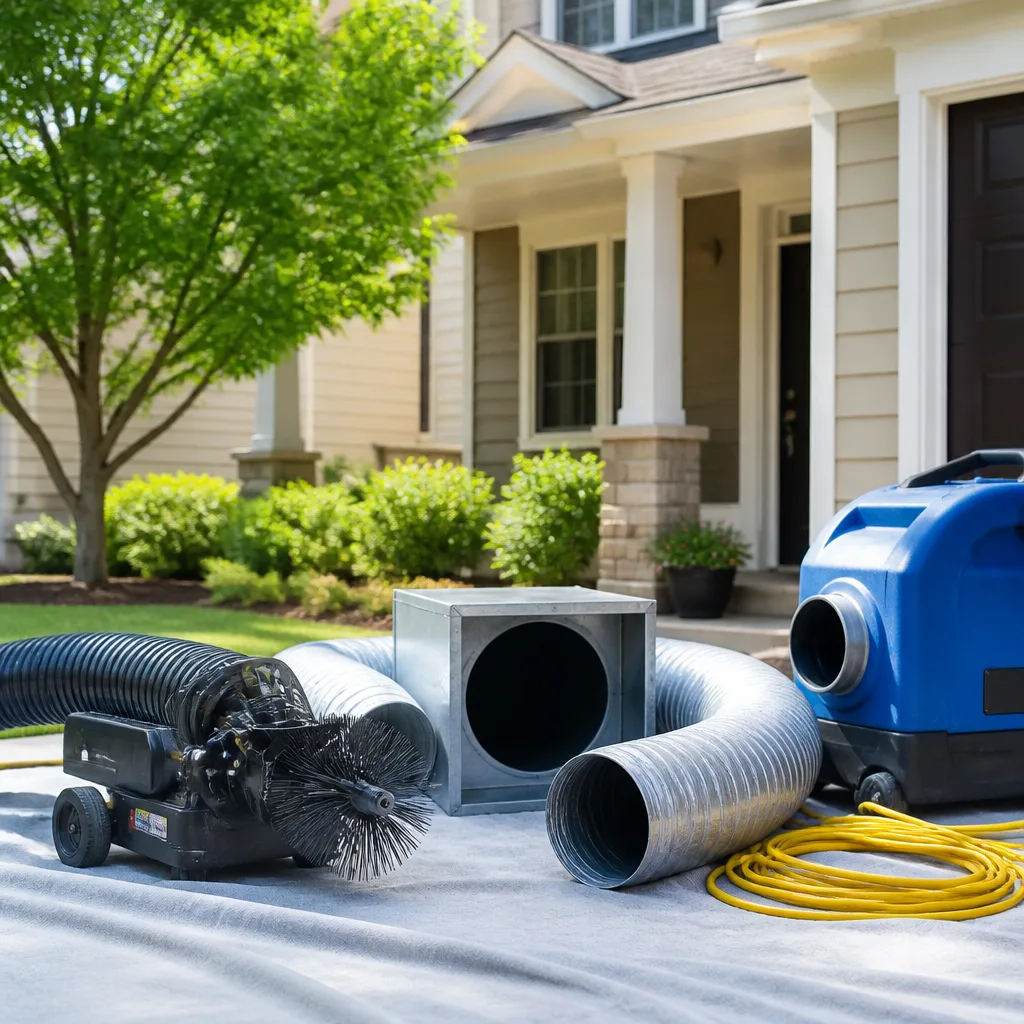 Whole-home duct cleaning
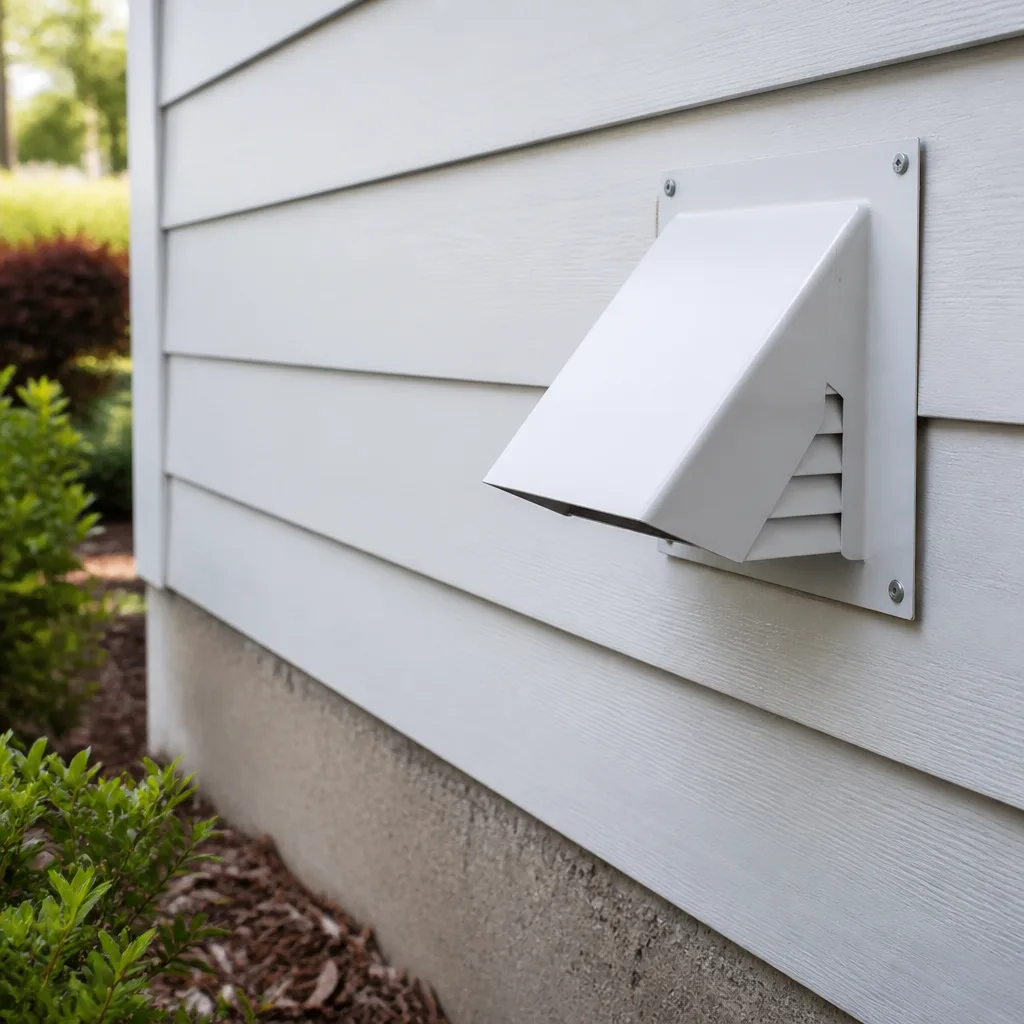 Dryer vent cleaning
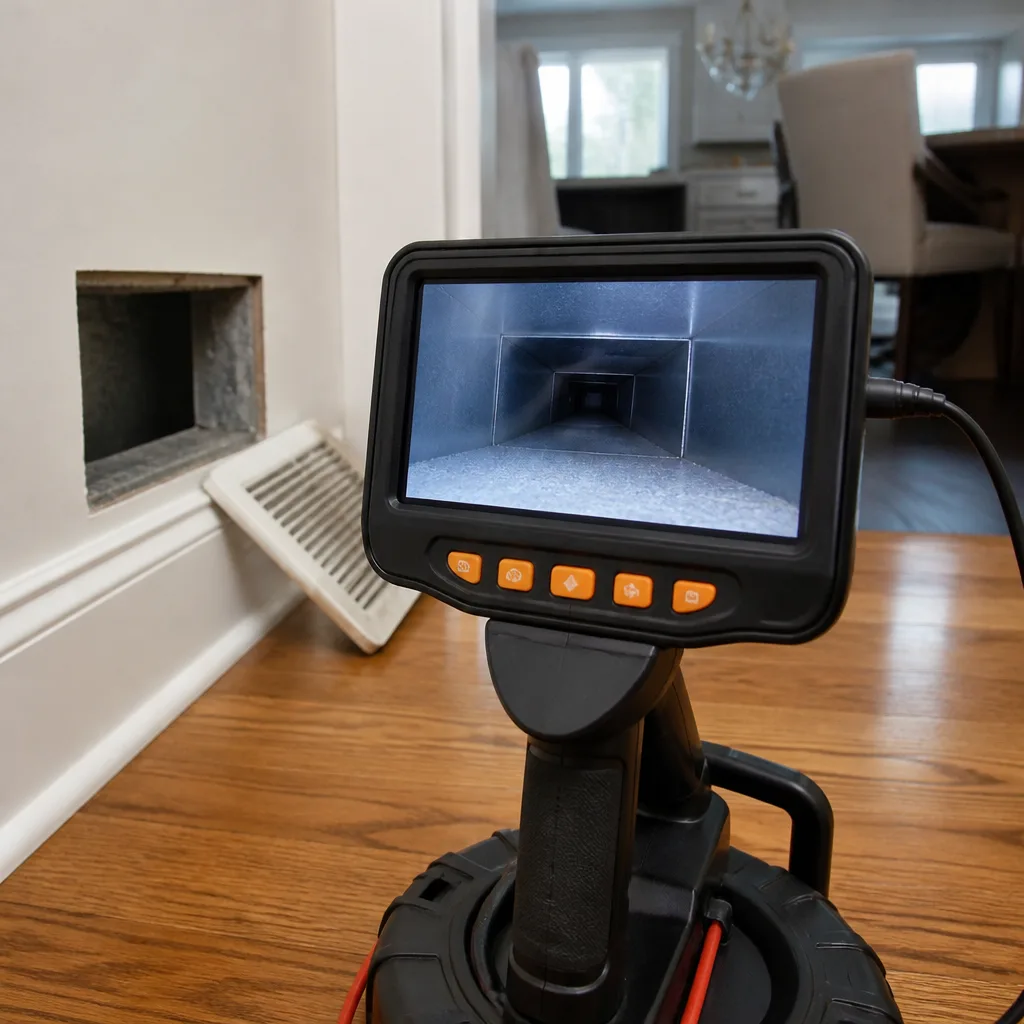 Camera inspection
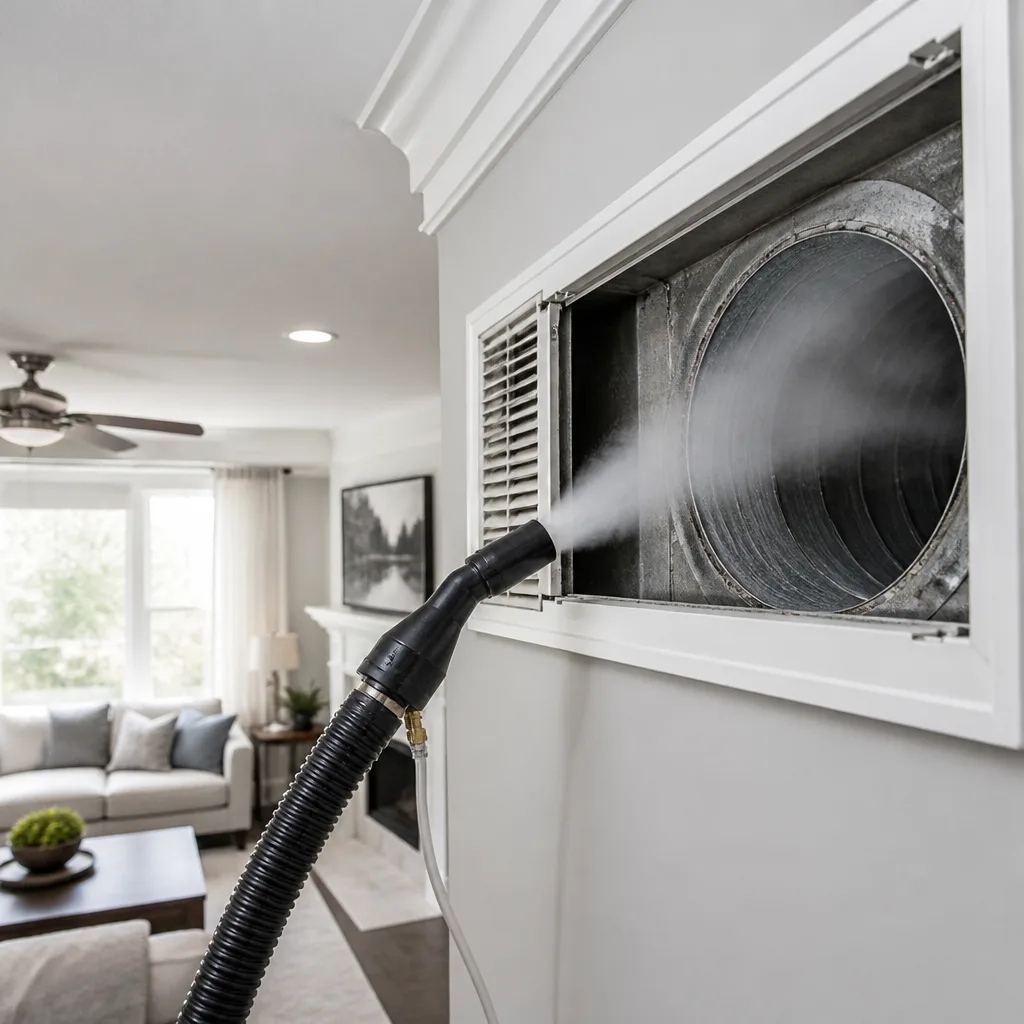 Sanitizing & deodorizing
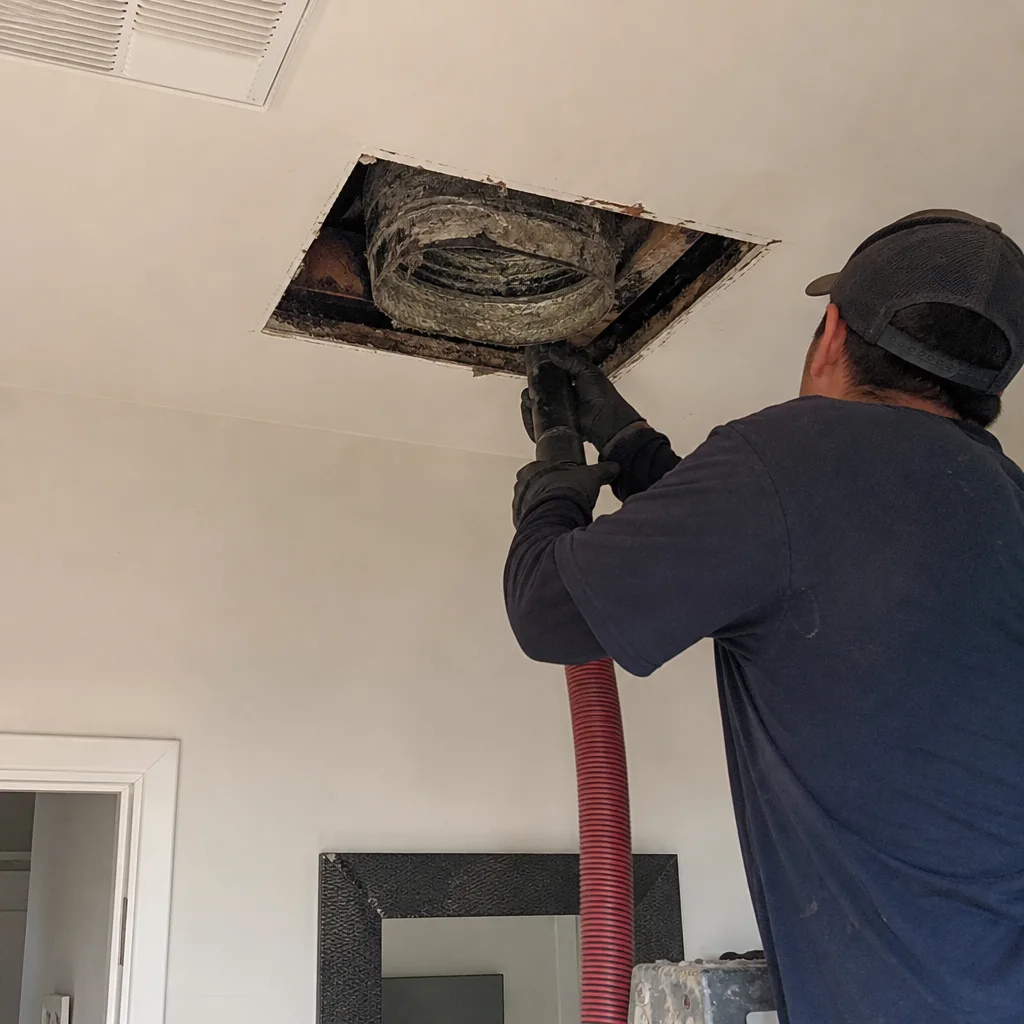
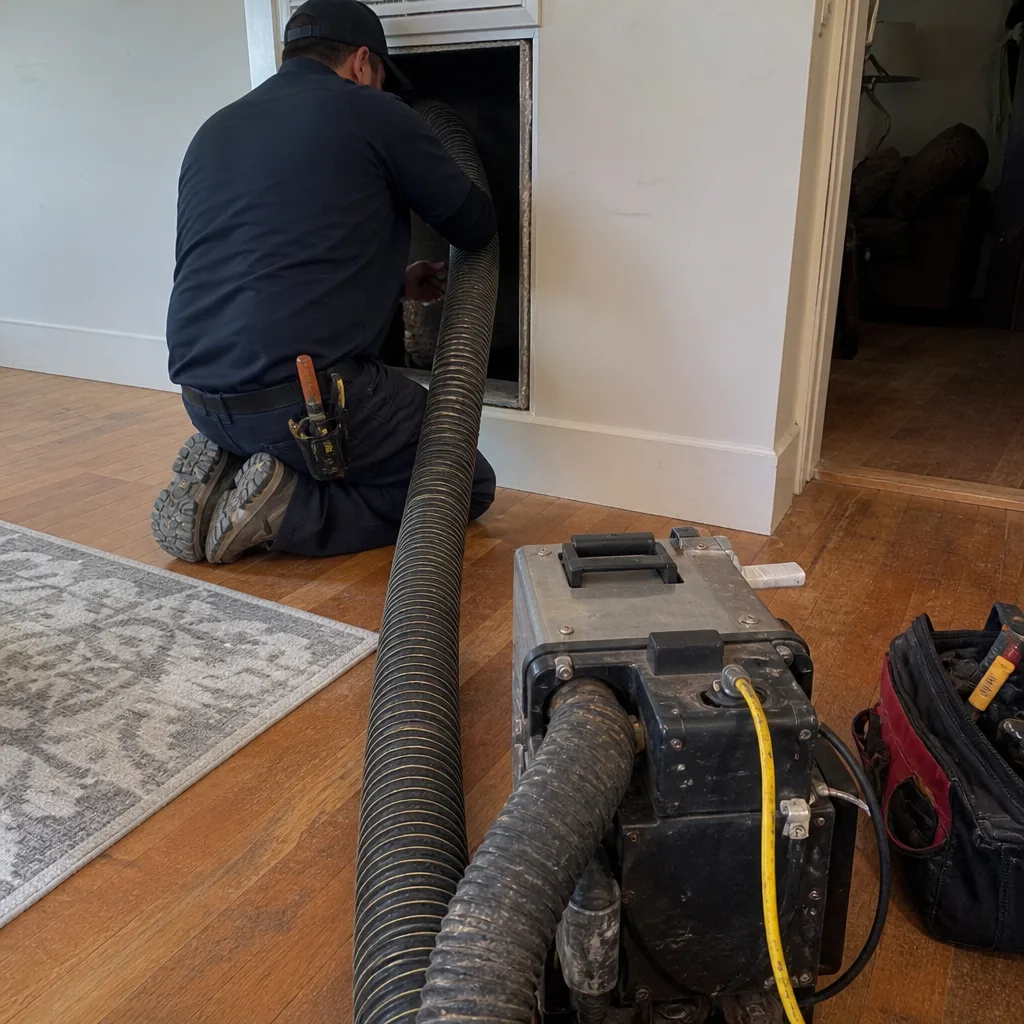
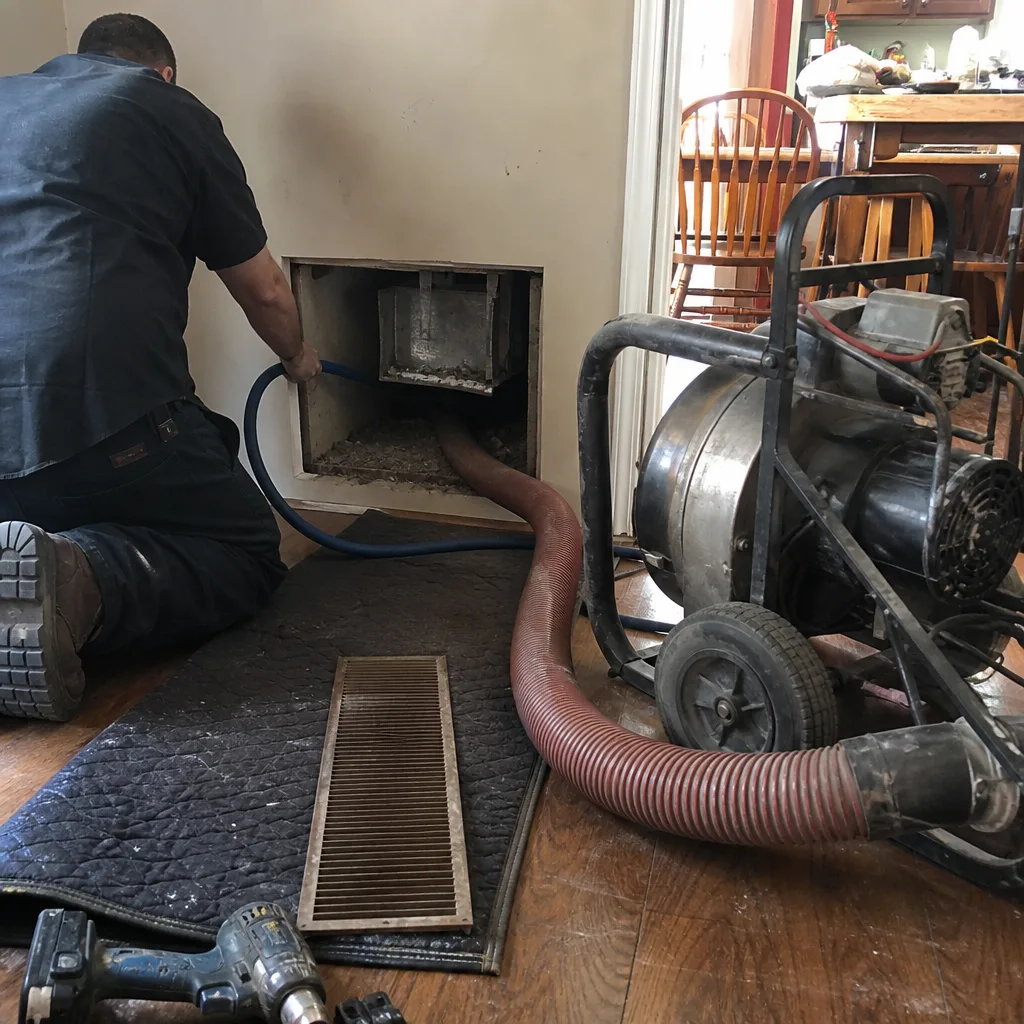
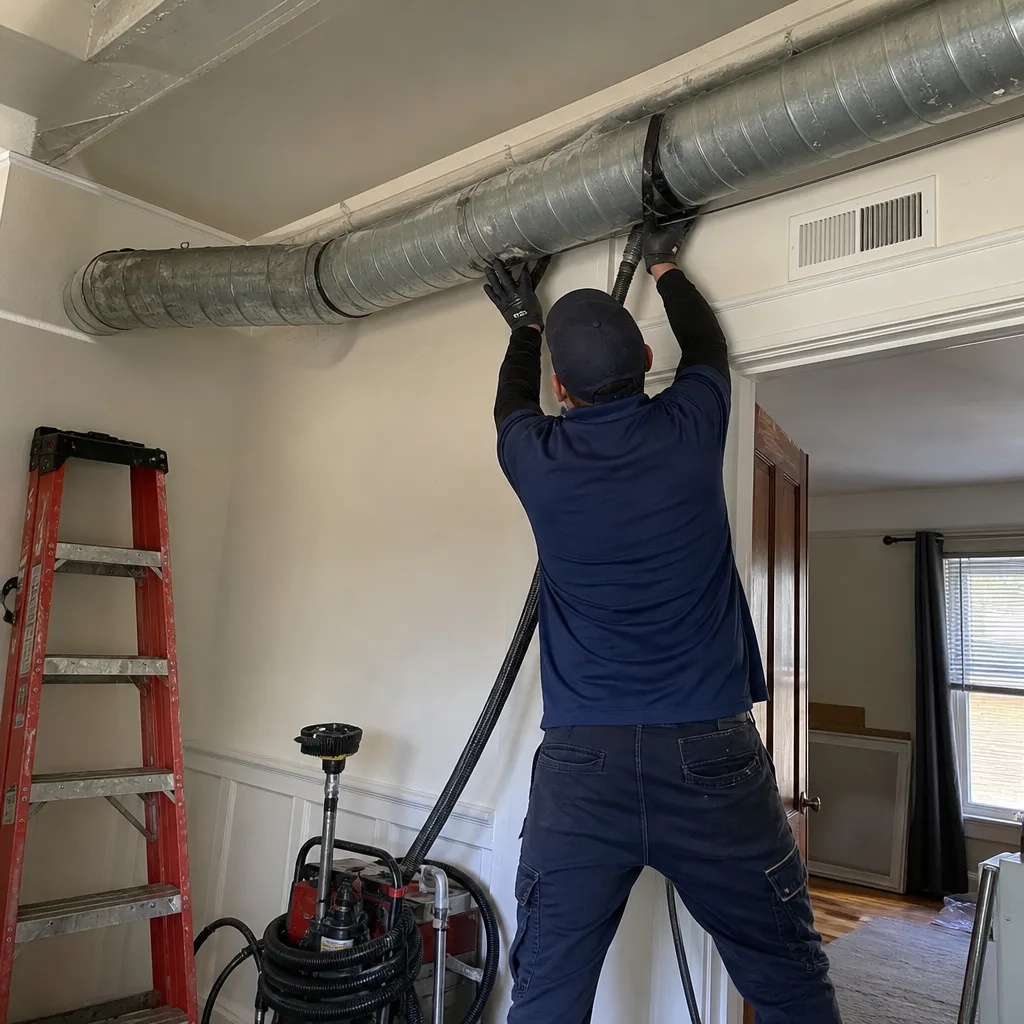
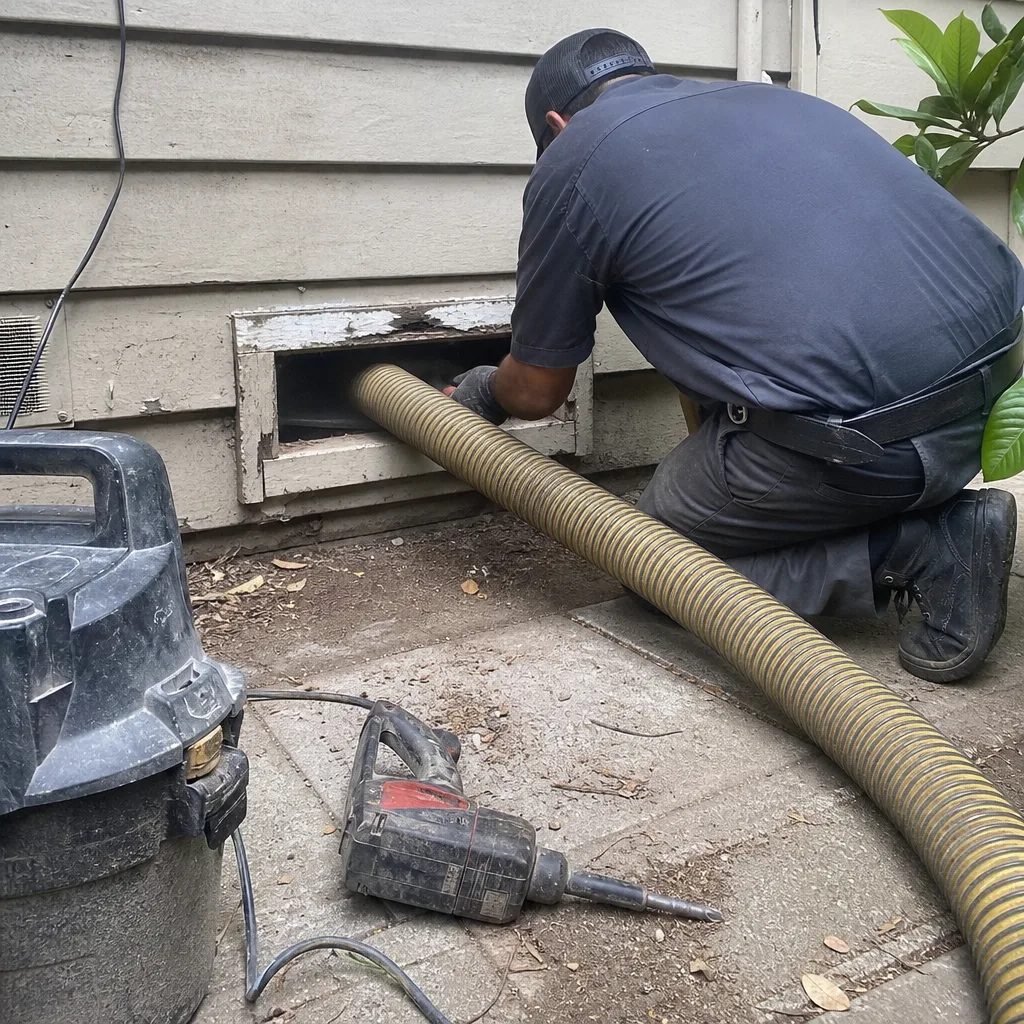
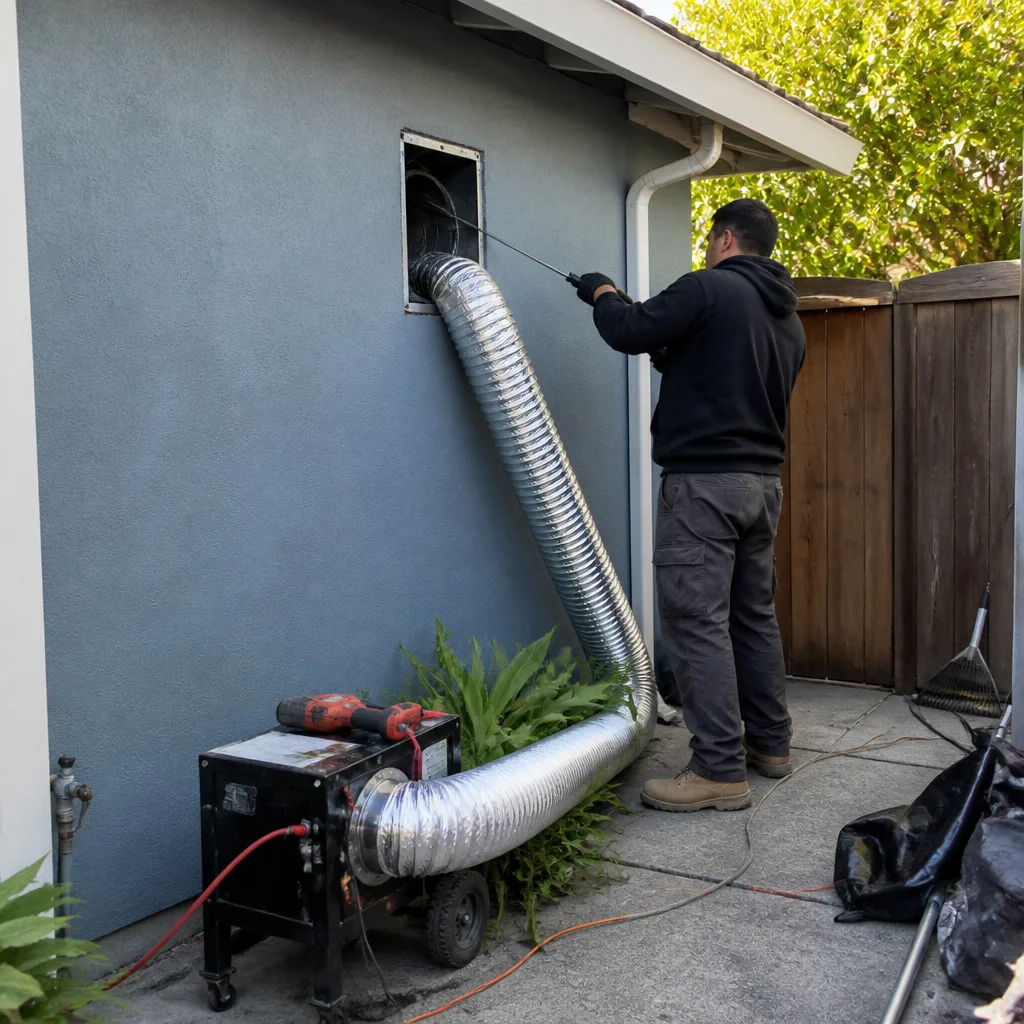
Whole-system duct and dryer vent check with before-and-after photos - you see exactly what came out of your vents
That "$99 whole-house special" is a bait ad - the real number appears once they are in your hallway, or the "clean" is a shop-vac at the register. We photograph the inside of your ducts before and after instead.
Air Duct Cleaning Permits, Codes & Inspections in CA: What You Need to Know
Most California homeowners assume any duct work requires a permit. The truth is more subtle, and that subtlety costs people real money at resale. A routine cleaning, the kind where a technician runs a rotary brush through your return and supply registers, needs no permit anywhere in the state. But the moment a contractor cuts into a duct, reseals a joint, replaces a section, or modifies how air moves through your system, California Mechanical Code and Title 24 energy standards kick in. If that work happened without documentation, a sharp home inspector in Oakland will flag it during escrow. This guide explains exactly where the line sits, what documentation protects you, and how to avoid inheriting a problem from the previous owner. For related reading, see our Air Duct Cleaning Warning Signs: An Oakland Homeowner’s Reference Guide.
Styles & brands we work with
- Whole-home duct cleaning
- Dryer vent cleaning
- Camera inspection
- Sanitizing & deodorizing
Quick Answer
Air duct cleaning in California requires no permit. Air duct repair, modification, or sealing that changes the duct system’s structure or performance may require a permit under the California Mechanical Code, and certain sealing work triggers Title 24 duct leakage testing performed by a HERS rater. If you’re only having ducts cleaned, you need no paperwork. Learn more about our Air Duct Cleaning services. If you’re having ducts fixed, ask for documentation before work begins.
Table of Contents
- The Legal Line: Cleaning vs. Repair Under California Mechanical Code
- When Title 24 and HERS Raters Enter the Picture
- Oakland and Alameda County: Local Amendments That Matter
- What a Duct Leakage Test Actually Involves
- Documentation That Satisfies a Future Home Inspection
- Remediating Unpermitted Duct Work Before a Sale
- How to Vet a Contractor on Code Knowledge
- Common Mistakes to Avoid
- When to Call a Professional
- Frequently Asked Questions
- The Bottom Line
The Legal Line: Cleaning vs. Repair Under California Mechanical Code
California Mechanical Code (CMC), which adopts and amends the Uniform Mechanical Code, draws a practical distinction between maintenance and modification. Cleaning falls under maintenance. Running a Rotobrush or Nikro extraction system through existing ducts removes accumulated debris without altering the duct’s dimensions, connections, or seal. The code doesn’t regulate that activity because nothing about the system changes.
Repair is different. Section 105 of the California Mechanical Code requires a permit for any work that involves installing, altering, or reconstructing a duct system. When we replace a rusted duct section in an Oakland crawl space, that’s alteration. When we reseal a joint that has separated and begun leaking conditioned air into an attic, that’s reconstruction. Both require the same permit consideration as a new furnace installation.
Think of it this way: if the work touches the duct’s structure or its connection points, it’s no longer cleaning. Here’s where the distinction gets practical:
- No permit needed: Rotary brush cleaning, negative-air extraction, sanitizing existing duct interiors, replacing a register cover, changing a filter.
- Permit likely required: Replacing a duct section, sealing separated joints, re-routing ductwork, adding a supply run, installing a damper, repairing or replacing a plenum.
- Gray zone: Patching a small hole in a duct with mastic. Technically a repair, but many jurisdictions treat minor sealing as maintenance. Oakland inspectors we’ve spoken with tend to care about the scope of the repair, not the sealant used.
The safest approach in Oakland and Alameda County is to ask the question before work starts: will this job alter the duct system in any way? If the answer is yes, ask whether the contractor plans to pull a permit. A contractor who hesitates on that question is telling you something.
When Title 24 and HERS Raters Enter the Picture
Title 24 is California’s Building Energy Efficiency Standards. It’s a separate legal framework from the Mechanical Code, and it’s the one that creates the most confusion for homeowners. Title 24 doesn’t care whether you cleaned your ducts. It cares intensely about whether your duct system leaks.
Here’s the sequence that matters: when a contractor performs duct work on a system serving more than a certain square footage, or when that work is part of a larger renovation, Title 24 requires the duct system to meet a maximum leakage rate, typically 6% to 8% of total air handler flow depending on the scope of work. The test that verifies this is performed by a certified HERS rater (Home Energy Rating System). The rater uses a device called a duct blaster to pressurize the duct system and measure airflow loss.
What triggers the HERS rater requirement specifically?
- New duct installation or replacement of more than 40 linear feet in an existing home.
- Duct work performed as part of an addition or permitted renovation where the conditioned floor area increases by a specified percentage.
- Duct sealing performed as a standalone energy-efficiency measure in homes participating in certain utility incentive programs, though not all.
- Alterations where an HVAC system is replaced and the existing ducts are retained but reconnected.
In our experience, Oakland homeowners often encounter HERS requirements when they replace a furnace and the HVAC contractor notes the existing ducts are leaking. That contractor is required to bring the ducts to Title 24 compliance before the permit can be finaled. The HERS rater verifies the work with a duct leakage test, then files documentation that stays attached to the home’s permit record.
The practical takeaway: if your duct repair involves replacing significant sections or occurs alongside an HVAC replacement, expect a HERS rater to be involved. That’s not a bureaucratic annoyance, it’s legal verification that your system actually performs the way energy code requires.
Oakland and Alameda County: Local Amendments That Matter
Oakland operates under the Alameda County building permit system, with the City of Oakland administering permits for most residential work within city limits. Oakland has adopted the California Mechanical Code with certain local amendments that affect duct work. The most consequential is Oakland’s enforcement of duct insulation requirements in unconditioned spaces like attics and crawl spaces. If a duct repair exposes uninsulated ductwork, the inspector will require insulation to be brought up to current R-value standards before signing off.
Oakland’s housing stock also informs how aggressively these rules are applied. A significant portion of Oakland’s residential inventory dates to the 1920s through 1950s: bungalows in Maxwell Park, storybook cottages in Glenview, and row houses in West Oakland. These homes often have duct systems that were installed decades after the original construction, frequently by homeowners working without permits. Crawl space duct work in Rockridge or Temescal may be galvanized steel original to a 1940s retrofit, or flex duct someone ran through a basement on a weekend in 1998. Inspectors see both extremes.
Alameda County also participates in BayREN, the regional energy network that offers rebates for home energy upgrades, including duct sealing. When a homeowner pursues a BayREN rebate for duct sealing in Oakland, the work must meet program specifications, which include HERS verification. That means the same duct sealing job that might fly under the radar as a handyman repair becomes subject to third-party testing if you want the rebate. We tell homeowners to decide upfront whether they’re pursuing utility incentives, because the documentation requirements differ significantly.
One more local consideration: Oakland’s climate zone (Zone 3, a mild marine-influenced climate) means duct systems in unconditioned spaces experience less extreme temperature differential than in, say, Sacramento or Palm Springs. But moisture is the Oakland variable. Ducts in fog-adjacent neighborhoods like Montclair or the hills above Fruitvale face condensation risk when warm air moves through cool crawl spaces. A permitted duct repair that addresses moisture-related separation is not just a code compliance issue, it’s a system integrity issue in this specific microclimate.
What a Duct Leakage Test Actually Involves
Most homeowners hear “duct leakage test” and picture something abstract. Here’s what actually happens. A HERS rater arrives with a calibrated fan and a pressure gauge. They seal off all registers and returns with temporary covers. They connect the fan to the duct system, typically at the air handler or a main return. The fan pressurizes the ducts to 25 Pascals, a standardized test pressure. The rater then measures how much airflow is required to maintain that pressure. That airflow number, divided by the system’s total design airflow, gives the leakage percentage.
The test takes 30 to 60 minutes and costs anywhere from $150 to $400 in the Oakland market, depending on access difficulty and whether the rater is already on site for other testing. For the homeowner, the output is a report with a pass or fail against the Title 24 threshold, typically 6% leakage for new systems or major alterations.
What causes a system to fail? The usual suspects in Oakland homes:
- Separated joints at the plenum connection, where the main trunk meets the air handler, often the single largest leak point.
- Disconnected branch runs in crawl spaces that were pulled apart during plumbing or electrical work.
- Boot connections at registers where the duct meets the floor or wall register, frequently never sealed during original installation.
- Rips and tears in flex duct from rodents or from the duct rubbing against framing.
- Collapsed duct sections that fail the test catastrophically rather than incrementally.
Here’s what matters for the permit conversation: if your home’s ducts are already leaking at 15% and you hire someone to clean them, the cleaning doesn’t change that number. But if you then hire someone to seal those leaks, and that sealing work is done under permit, the HERS test documents the improvement. A before-and-after leakage report is one of the most persuasive documents you can hand a future buyer because it proves the duct system’s condition was verified by a third party, not asserted by the seller.
Documentation That Satisfies a Future Home Inspection
When you sell an Oakland home, the buyer’s home inspector will look at visible duct replacement with an eye toward whether the work was permitted. Inspectors can’t see inside walls, but they can see new duct sections in an accessible attic, mastic-smoothed joints where everything else is old tape, or a shiny new plenum sitting on a 30-year-old furnace. Any of those triggers the question: was this permitted?
The documentation that answers that question cleanly includes:
- The permit itself, issued by the City of Oakland or Alameda County, with the mechanical scope listed specifically, not generically.
- The final inspection sign-off from the building department, showing the work passed inspection and the permit is closed.
- The HERS verification report, if the work required duct leakage testing, showing the test date, the tested leakage percentage, and the rater’s certification number.
- Photographs of the work before and after, dated, showing the specific duct sections that were repaired or replaced.
- Itemized invoices from the contractor naming the specific work performed, matching the permit scope.
A folder containing these documents turns a potential escrow objection into a non-issue. Without them, a buyer’s inspector flags the visible duct work as “unpermitted modification observed, recommend verification by seller.” That sentence alone can delay closing by two weeks or knock money off the sale price.
In our experience working on air duct repair in Oakland, the documentation discipline is the difference between a repair that protects home value and one that quietly undermines it. We photograph every repair we make, not because the code requires photos but because future buyers and their inspectors benefit from seeing what was done.
Remediating Unpermitted Duct Work Before a Sale
You bought an Oakland house in 2015. The previous owner, or the owner before that, replaced half the duct system without a permit. You didn’t know. The home inspector didn’t catch it. Now you’re selling in 2026, and the buyer’s inspector is more thorough. What are your options?
First, don’t panic. Unpermitted duct work is common in Oakland, especially in pre-1950 homes where the original heating was a floor furnace and the duct system was added later. Second, understand the actual risk: unpermitted work that is functioning competently is not a safety emergency. The issue is disclosure and verifiability. The path forward looks like this:
- Have a qualified contractor evaluate the existing duct work and document its current condition, including a duct leakage measurement.
- If the system passes acceptable leakage thresholds (under 10% for an older system without major renovation), you may be able to disclose the work with the supporting evaluation and move forward without retroactive permitting.
- If the system fails or shows code violations (inadequate support, non-code materials, safety issues), you have two choices: repair under a new permit, which legalizes the work going forward, or disclose the deficiency and negotiate with the buyer.
- For systems that simply need sealing, a permitted duct sealing job with HERS verification converts an undocumented system into a verified one, which may satisfy both the buyer and the buyer’s lender.
- Consult with an Oakland real estate attorney if the unpermitted work is extensive or if you’re facing a dispute during escrow.
The regulatory reality is that the City of Oakland rarely pursues retroactive permitting for old, functional duct work on its own initiative. The trigger is nearly always the transaction: a sale, a refinance, an insurance claim. That means the practical counsel is to solve the problem before you list, not after the buyer’s inspector finds it.
Hallmark’s home page covers our approach to duct systems holistically, including repair work that anticipates exactly these escrow scenarios.
How to Vet a Contractor on Code Knowledge
Most duct cleaning companies in California know nothing about Title 24, HERS raters, or the California Mechanical Code. That’s not a criticism, it’s a market reality. The barrier to entering duct cleaning is low: buy a portable vacuum system, print business cards, start booking jobs. The barrier to doing permitted duct repair is much higher: a C-20 HVAC contractor’s license, code knowledge, relationships with building departments, and experience with HERS verification.
When you’re hiring someone for any duct work beyond basic cleaning in Oakland, ask these questions:
- “Will this work require a permit?” A knowledgeable contractor answers immediately and can explain why or why not. A contractor who says “we don’t usually worry about permits for this” is telling you they do unpermitted work.
- “Have you pulled mechanical permits in Oakland before?” Oakland’s permit process has specific quirks around access, inspection scheduling, and documentation. Experience in this specific jurisdiction matters.
- “Does this job trigger HERS testing?” If they don’t know what a HERS rater is, they’re not qualified to do repair work that requires verification.
- “What documentation will I receive when the work is complete?” The answer should include specifics: permit number, inspection date result, HERS report if applicable, photos, invoice.
- “Are you a C-20 contractor, or do you hold another relevant license?” Duct repair requires a C-20 (Warm-Air Heating, Ventilating and Air-Conditioning) license in California. Duct cleaning alone does not.
One more consideration: the equipment a contractor brings tells you something about their legal posture. A contractor who shows up with professional-grade Rotobrush and Nikro extraction systems, plus Abatement Technologies negative-air containment, is operating at a level that suggests they’ve made a real capital investment in their trade. That investment correlates, imperfectly but meaningfully, with a contractor who also does the paperwork correctly. It doesn’t prove code compliance, but it separates the committed operator from a guy with a shop vac and a flyer.
Common Mistakes to Avoid
- Assuming all duct work is the same. Cleaning, sealing, and replacing are legally distinct. Confusing them leads to unpermitted work or unnecessary permits, both of which cost money.
- Hiring a handyman for duct repair. Unlicensed mechanical work in California is illegal, full stop. If the handyman damages your duct system, your homeowner’s insurance may deny the claim.
- Not asking for documentation before work starts. Once the ducts are repaired and the contractor is gone, you’ve lost your leverage. Get the permit question answered in writing before anyone touches a duct.
- Ignoring the Title 24 angle when replacing an HVAC system. If your contractor installs a new furnace and reconnects old, leaking ducts without sealing and testing them, that permit can’t be finaled legally. You’re left with a partially permitted job and a resale problem.
- Confusing a cleaning receipt with a repair permit. A receipt from a duct cleaning shows you maintained the system. It does not establish that duct modifications were permitted or code-compliant.
- Waiting until escrow to address known duct work issues. You’ll negotiate from a position of weakness. Addressing it before listing, with proper documentation, removes the objection entirely.
- Accepting verbal assurances. “Oh yeah, that’s fine, no permit needed” means nothing when an inspector disagrees. Get it in writing or get a second opinion.
When to Call a Professional
Call a licensed C-20 contractor when your duct work involves any structural change: replacing sections, sealing separated joints, modifying runs, or connecting new equipment. That’s not a DIY project, and it’s not a handyman job. The mechanical code exists because improperly done duct work wastes energy, compromises indoor air quality, and in the worst cases creates fire hazards when ducts get close to heat sources or when disconnected ducts dump conditioned air into combustion appliance spaces.
Call a professional duct cleaning specialist when the work is purely maintenance. A thorough cleaning with professional extraction equipment removes the particulate load that has accumulated over years of Oakland’s combination of urban dust and coastal air. No permit needed, but the equipment and technique matter for actually removing contaminants rather than recirculating them. Explore more guides & resources on maintaining healthy indoor air. Hallmark Air Duct Cleaning offers free estimates in Oakland, call (833) 467-6681 to schedule an assessment. We’ll tell you honestly whether you need a cleaning, a repair, or both.
Frequently Asked Questions
No. Air duct cleaning is a maintenance activity, not an alteration of the mechanical system, so no permit is required anywhere in California, including Oakland. Cleaning removes accumulated debris using extraction equipment without changing the duct’s structure, dimensions, or connections.
Duct work requires a permit in Oakland when it involves installation, alteration, or reconstruction of the duct system, including replacing sections, sealing separated joints, re-routing ducts, or modifying connections at the plenum. The specific threshold varies by scope, so ask your contractor before work starts whether they’ll pull a permit. For an exact assessment of your system, call (833) 467-6681.
A HERS rater is a certified independent verifier who tests duct system leakage for Title 24 compliance. You need one when duct work is performed under permit as part of a system replacement, major alteration, or certain energy-efficiency incentive programs. The test costs $150 to $400 in the Oakland area and produces a report documenting your duct system’s leakage percentage.
A duct leakage test pressurizes your duct system to 25 Pascals and measures how much airflow escapes, expressed as a percentage of total system flow. Title 24 typically requires 6% or less for new or significantly altered systems. If you’re selling an Oakland home, a passing HERS verification report is powerful evidence that your duct system was professionally evaluated, not just visually inspected.
Duct cleaning alone does not require a C-20 HVAC contractor’s license in California. However, duct repair, sealing, and modification do. That’s why it’s critical to verify the contractor’s license status before any work beyond basic cleaning. A C-20 license means the contractor has passed the trade exam and carries the required bonding and insurance.
The buyer’s home inspector may flag visible unpermitted modifications during escrow, which can delay closing or reduce the sale price. To remediate before listing, have a licensed contractor evaluate the system, document its condition, and if necessary perform permitted repair or sealing work with HERS verification. That converts an unverifiable liability into a documented asset. Hallmark’s air duct cleaning in Oakland service includes a system assessment that identifies potential permit issues before they become escrow problems.
Permitted duct work in Oakland typically adds 10% to 15% to the project cost, driven by permit fees, inspection scheduling, and HERS testing if required. That premium buys documentation that protects your home’s resale value and verifies the work meets California Mechanical Code. Cheaper unpermitted work saves money upfront and transfers risk to you, and later, to the next buyer. For a free estimate on permitted duct repair in the Oakland area, call (833) 467-6681.
The Bottom Line
The distinction between cleaning and repair is the difference between no paperwork and legal accountability in California. Duct cleaning requires no permit and no testing. Duct repair, sealing, and modification do require permits under the California Mechanical Code, and significant work triggers Title 24 duct leakage verification by a HERS rater. In Oakland, where older housing stock and moisture-driven duct issues converge, this distinction surfaces at resale more often than homeowners expect. The solution is simple: ask the permit question before work starts, demand documentation when work involves alterations, and hire contractors who can explain the code in plain language. If you’re unsure what category your duct work falls into, Hallmark Air Duct Cleaning offers free estimates in Oakland. Call (833) 467-6681 and we’ll assess your system, answer the permit question honestly, and recommend the right path. Visit our dryer vent cleaning page for information on a related service with its own fire-safety and code considerations.
Written by the team at Hallmark Air Duct Cleaning, serving Oakland since 2011.
See the difference
 Before
 After
 Before
 After
 Before
 After