
Last updated November 2, 2026
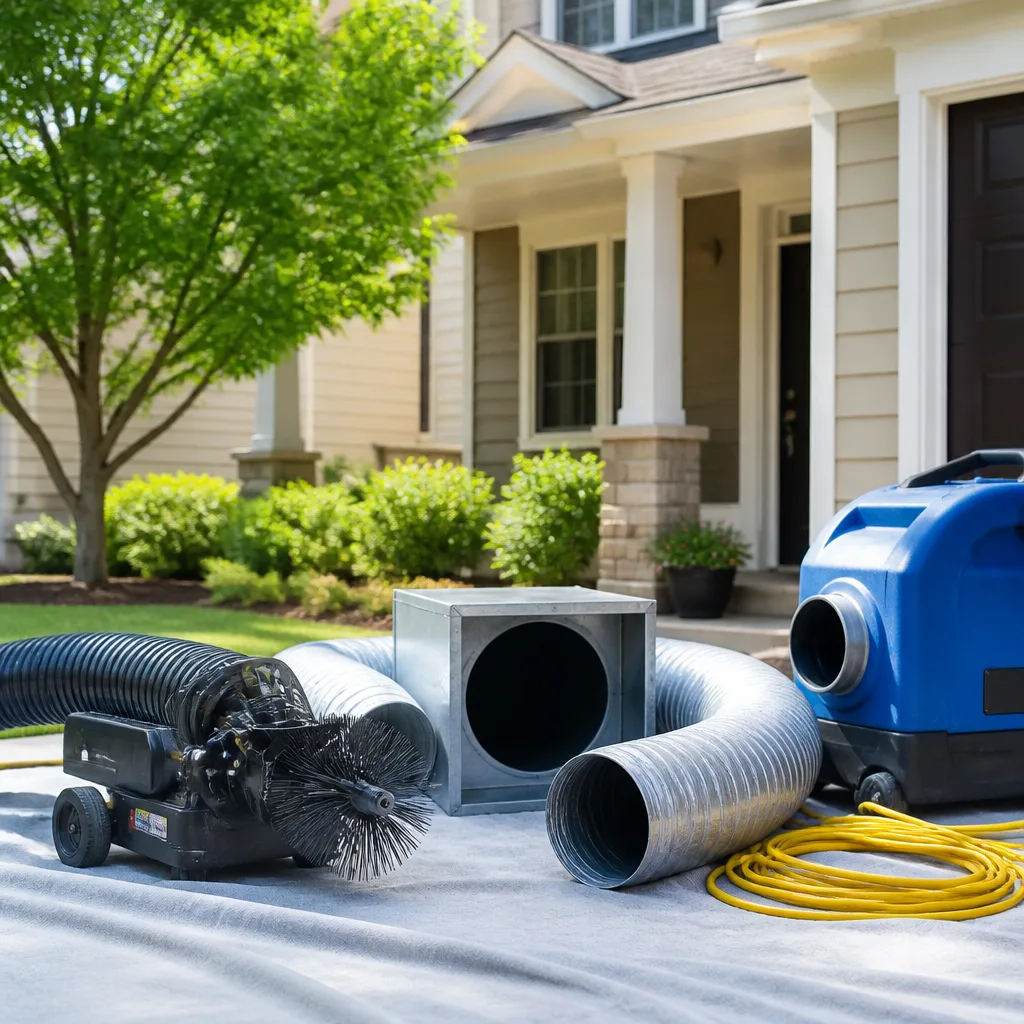 Whole-home duct cleaning
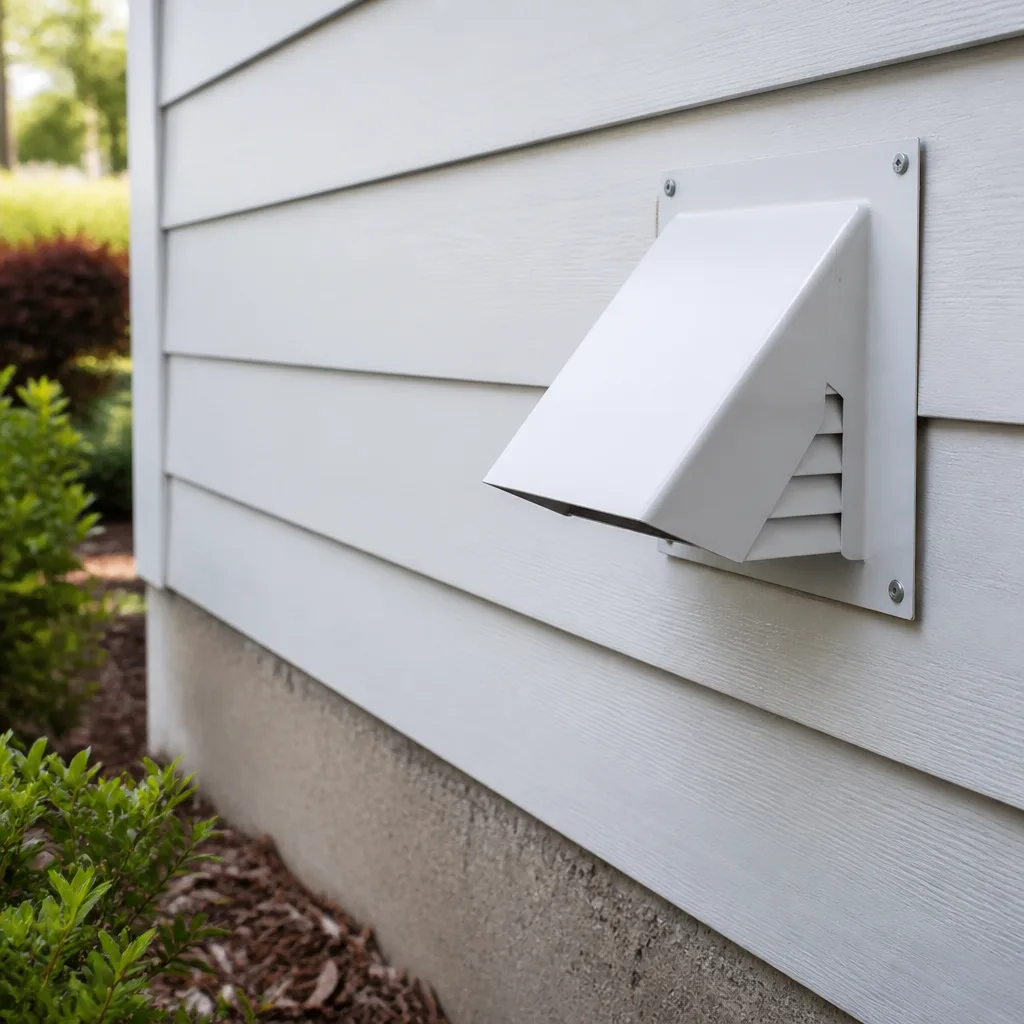 Dryer vent cleaning
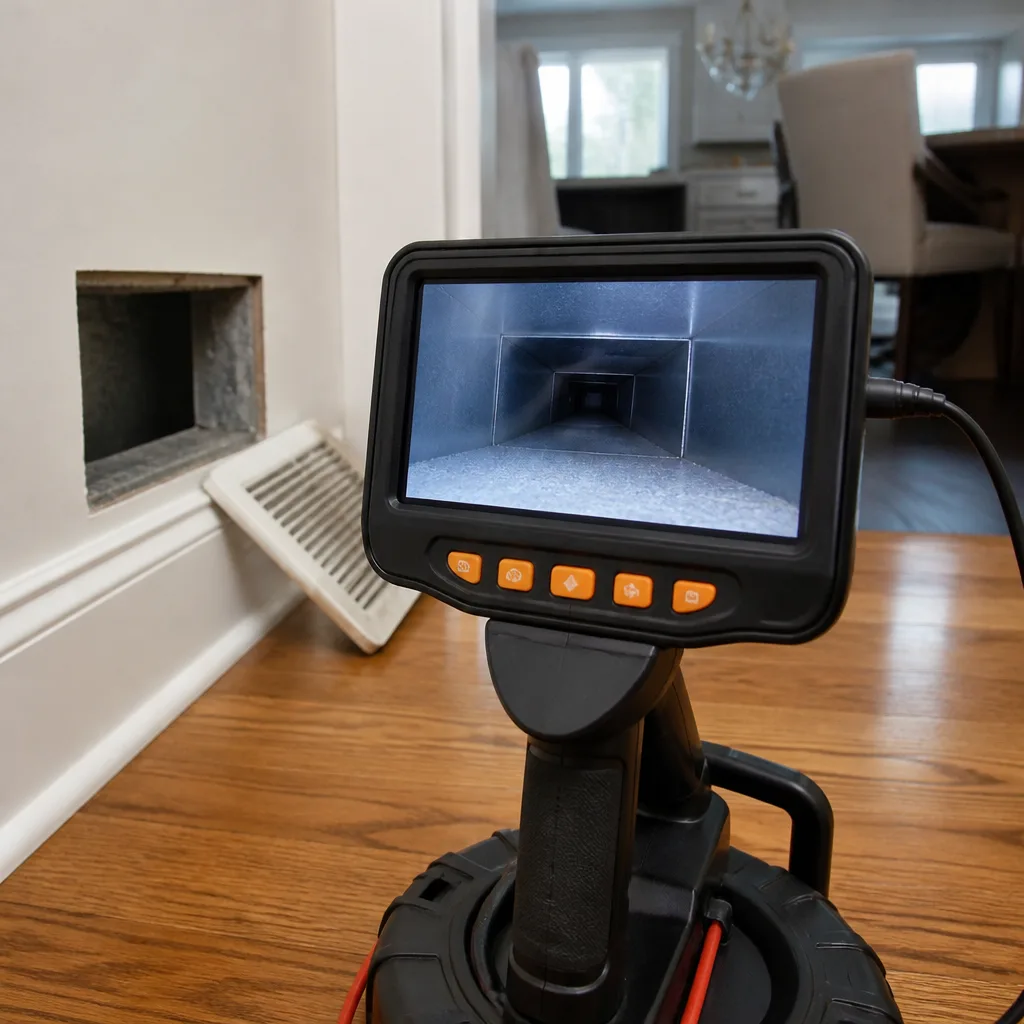 Camera inspection
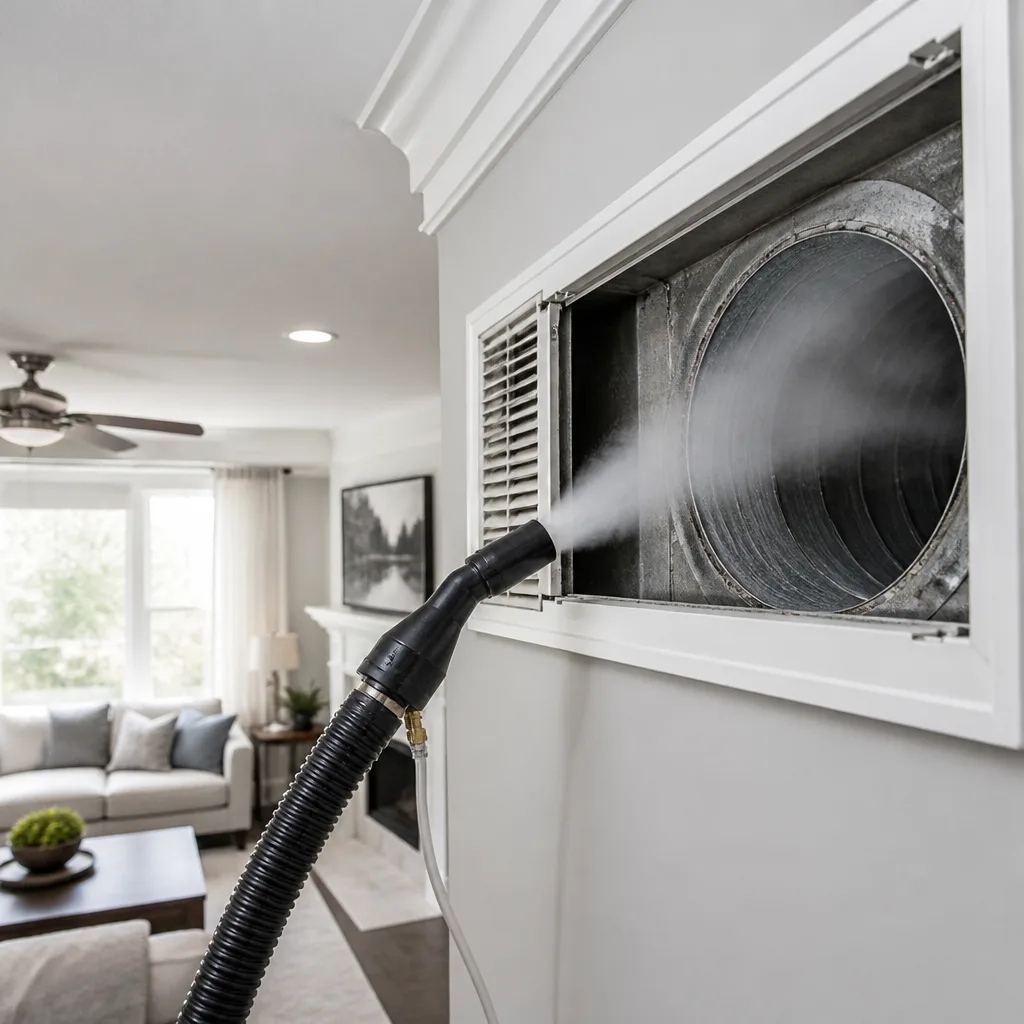 Sanitizing & deodorizing
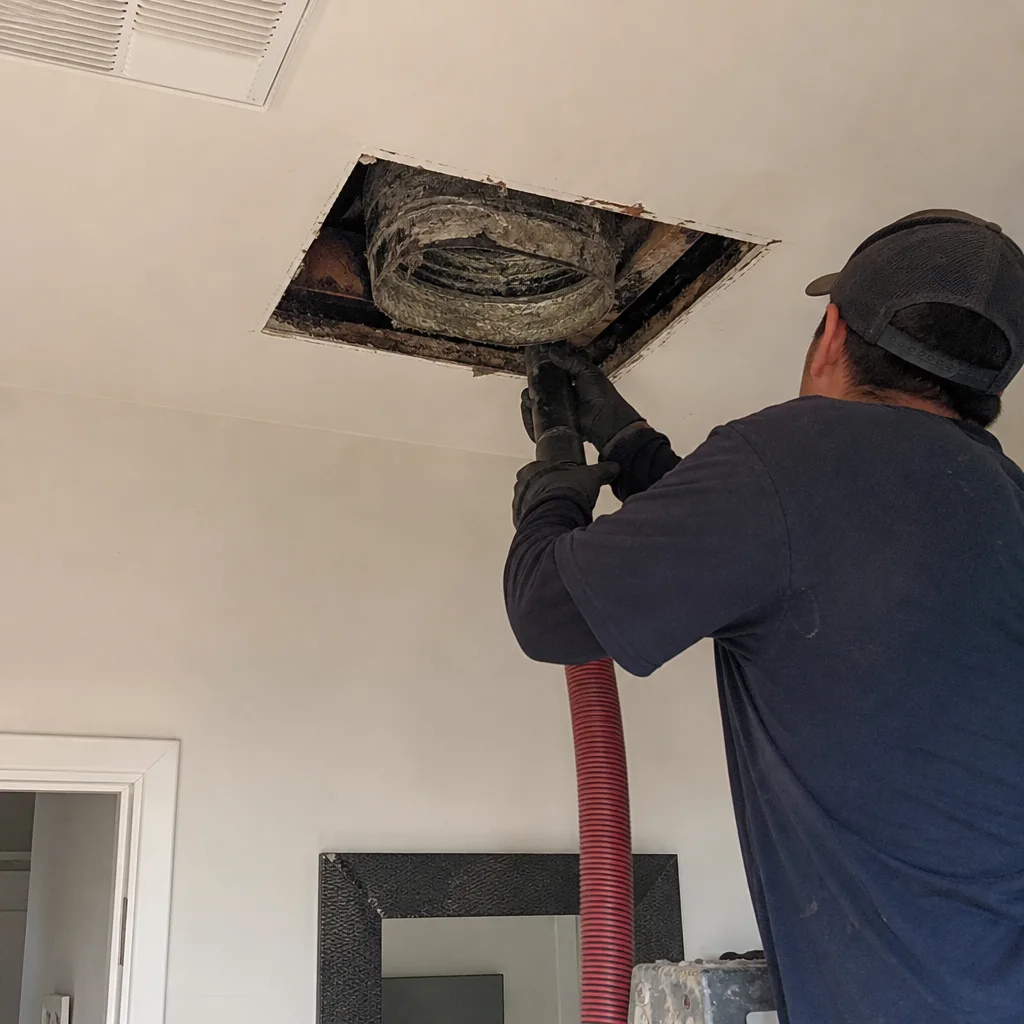
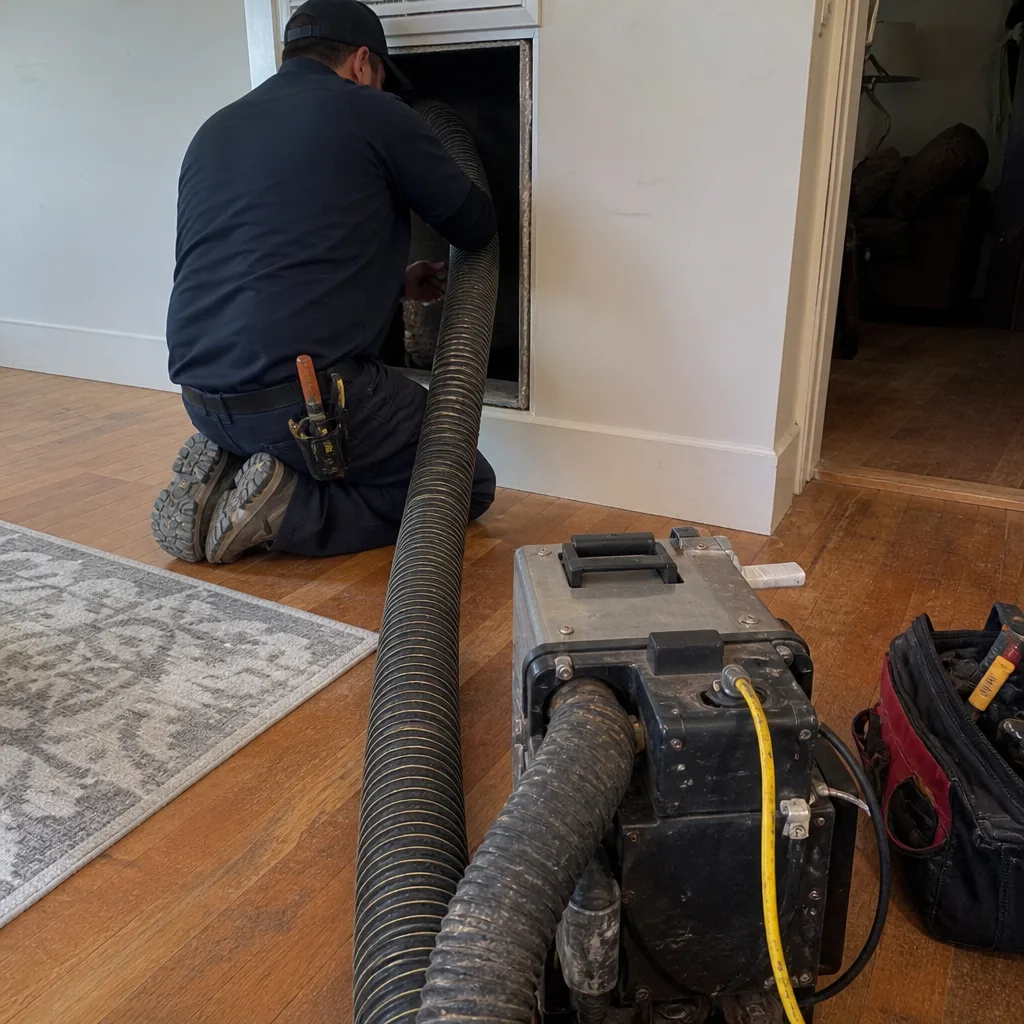
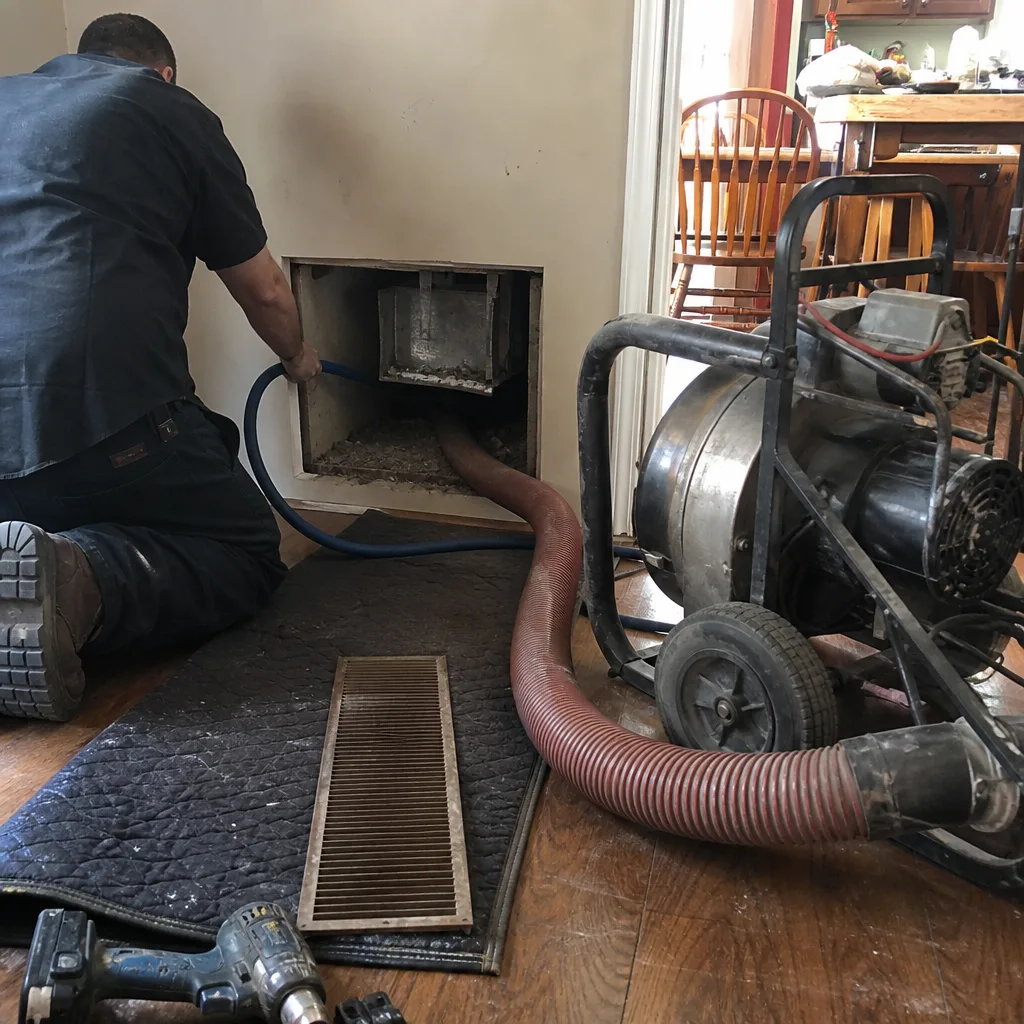
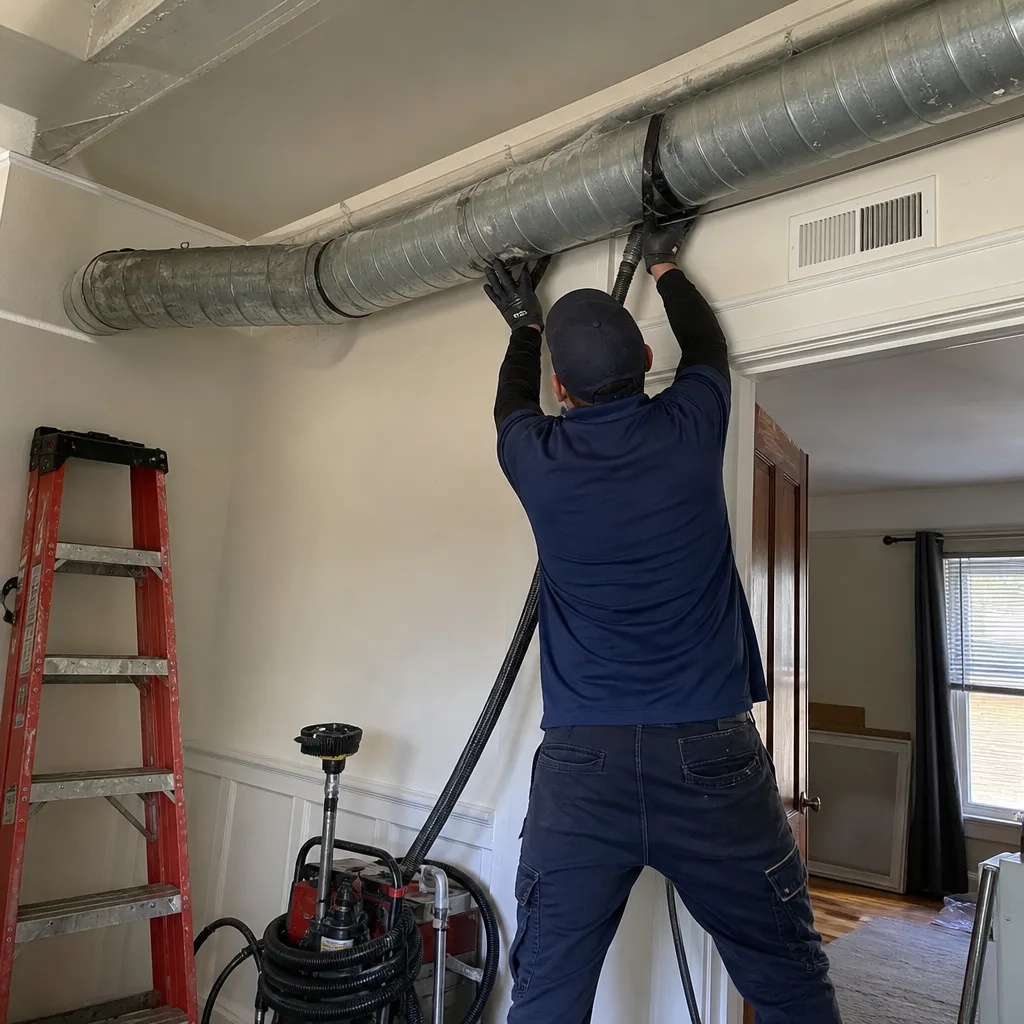
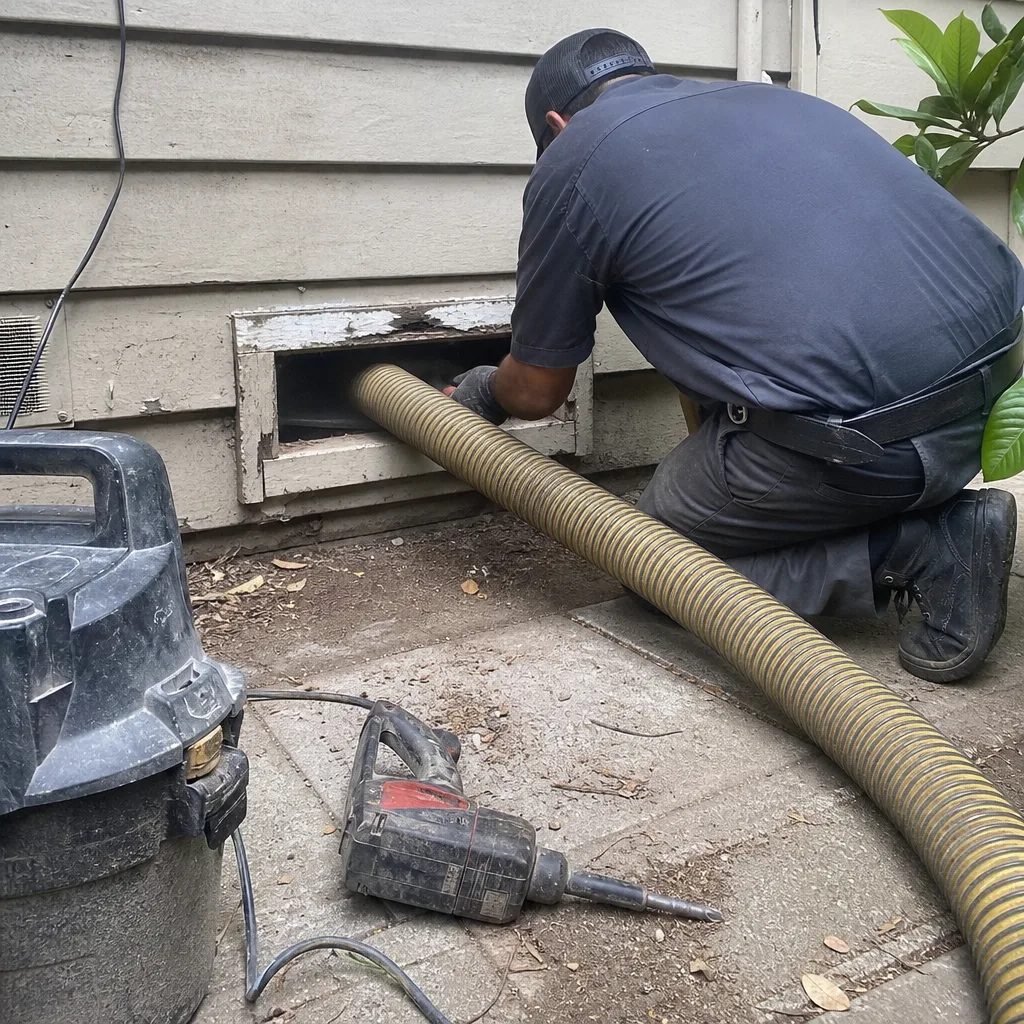
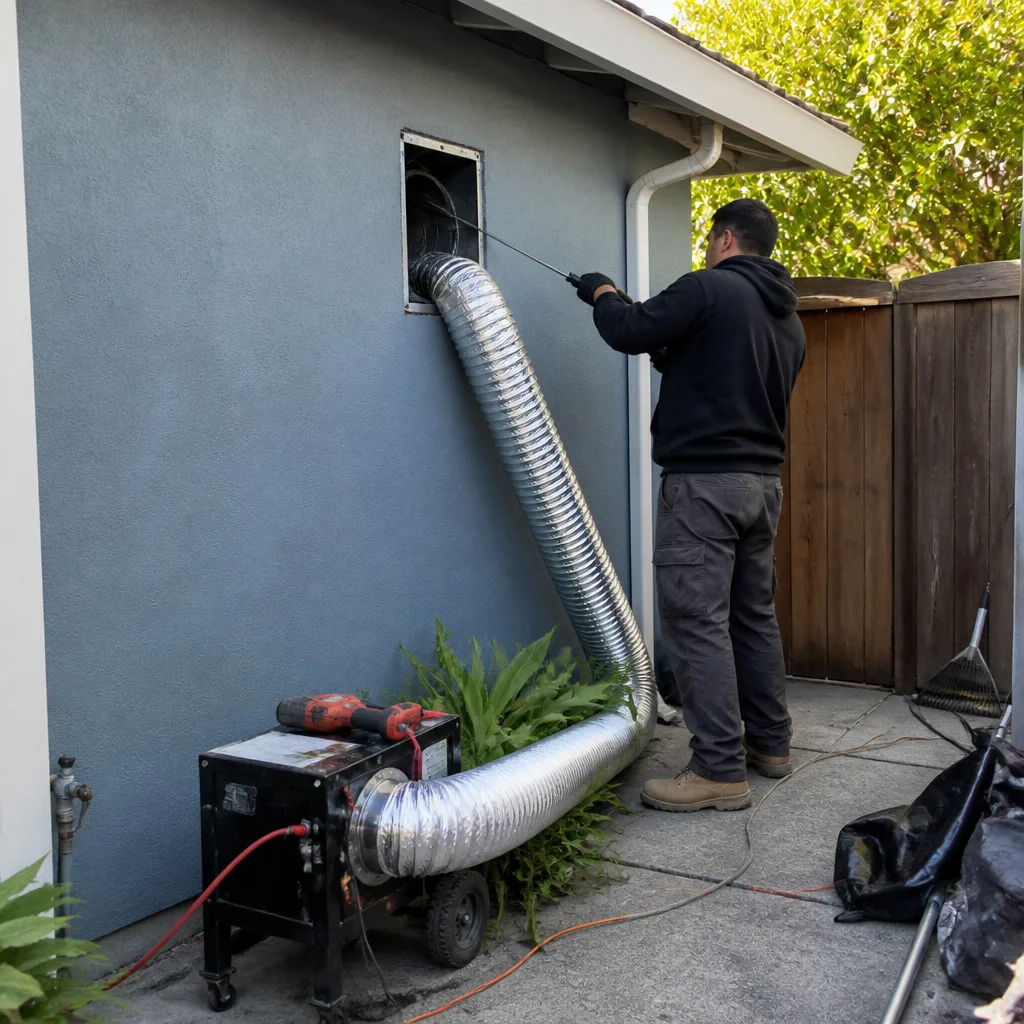
Whole-system duct and dryer vent check with before-and-after photos - you see exactly what came out of your vents
That "$99 whole-house special" is a bait ad - the real number appears once they are in your hallway, or the "clean" is a shop-vac at the register. We photograph the inside of your ducts before and after instead.
Air Duct Cleaning Troubleshooting: Common Problems and How to Fix Them
Here’s a fact most Oakland homeowners don’t hear until something’s already wrong: the ductwork behind your walls is the only part of your HVAC system that gets installed once and then ignored for decades. Your furnace gets seasonal tune-ups, your filters get changed, your condenser gets hosed down. But the actual channels carrying conditioned air through your house? Those get cleaned once, if ever, and assumed fine. When a home was professionally cleaned and still smells musty two weeks later, or one bedroom stays dusty no matter what, the problem almost certainly isn’t the cleaning. It’s a mechanical issue in the ducts themselves: a disconnected section, a collapsed flex run, a breach pulling attic air into the system. This guide is built from what we’ve seen inside hundreds of Oakland homes, from the flatlands to the hills. By the end, you’ll know how to trace symptoms back to their mechanical source, and you’ll know when a second cleaning is the wrong call and a structural repair is the right one.
Styles & brands we work with
- Whole-home duct cleaning
- Dryer vent cleaning
- Camera inspection
- Sanitizing & deodorizing
Quick Answer
Most post-cleaning problems that won’t go away, uneven airflow, persistent dust, musty smells, aren’t cleaning failures at all. They’re structural duct problems: disconnected sections, collapsed flex ducts, or breaches pulling unfiltered air into the system. The fix starts with identifying which symptom points to which failure, then deciding whether you need a re-clean, a repair, or both.
Table of Contents
- The Symptom-to-Cause Map: What Your Ducts Are Telling You
- Incomplete Cleaning vs. Structural Repair: Two Different Problems
- Static Pressure: The Diagnostic Test Nobody Runs
- Why Flex Duct Collapses and Sheet Metal Joints Separate
- Post-Cleaning Video Inspection: Red Flags vs. False Alarms
- How Oakland’s Climate Makes Duct Problems Worse
- Common Mistakes to Avoid
- When to Call a Professional
- Frequently Asked Questions
- The Bottom Line
The Symptom-to-Cause Map: What Your Ducts Are Telling You
Duct problems don’t announce themselves with a warning light. They show up as symptoms you’ve probably already noticed and attributed to something else. Here’s the map we use when a homeowner in Oakland calls us describing what’s wrong. Match your symptom to the likely cause before you spend money on the wrong fix.
One room is always dusty, no matter how often you clean it. This is the most common complaint we hear, and it almost always points to a breach in the return duct serving that room. A return duct under negative pressure pulls air from wherever it can. If there’s a gap or disconnected section in an attic or crawlspace, it’s pulling fiberglass insulation, dust, and whatever else is up there directly into your living space. The HVAC filter never catches it because the breach is after the filter. Cleaning the ducts won’t fix this. The breach has to be sealed or the section reconnected.
The house smells musty after rain, but only when the AC runs. Oakland’s winter rains find their way into duct systems through roof penetrations, old vent boots, and crawlspace breaches. If you notice the smell only when the blower runs, the moisture source is likely in the duct path, not in the room itself. A musty smell that lingers two weeks after a professional cleaning means water is still getting in somewhere. That’s a leak, not a cleaning issue.
Allergy symptoms spike in one wing of the house, not the whole house. When allergies are worse in one section of your home, the return path for that section is pulling from somewhere contaminated. In Oakland’s older homes, we’ve found return cavities built into wall studs with no sealing at all. The return air passes through dusty wall cavities, mouse droppings, old insulation, before it ever reaches the filter. This is a structural problem that no amount of brush-and-vacuum cleaning will solve.
Some rooms never reach the temperature on the thermostat. You’ve got airflow, but not enough of it. This points to a restriction, a crushed flex duct, a damper stuck closed, or a disconnected supply run bleeding conditioned air into the attic. The HVAC unit is working fine. The air is just not getting where it’s supposed to go.
Here’s the pattern across all of these: the symptom looks like an HVAC problem, but the cause is in the duct system. That’s why a blower-motor diagnosis misses it. The furnace can be running perfectly while the ducts silently undo all its work.
If any of this sounds like what you’re dealing with, start with a visual check of the accessible duct sections in your attic or crawlspace. Look for obvious separations, sagging flex runs, or gaps at register boots. What you find will tell you whether you need air duct repair in Oakland or a second cleaning.
Incomplete Cleaning vs. Structural Repair: Two Different Problems
This distinction matters because it determines who you call, what you pay, and whether the problem actually goes away. An incomplete cleaning and a structural duct failure produce similar symptoms; persistent dust, lingering odors, uneven airflow. But the fixes are completely different, and treating one as the other wastes time and money.
An incomplete cleaning means the service itself was insufficient. The technician didn’t reach the full length of the duct runs. Or they cleaned only the supply side and skipped the returns. Or they used a simple vacuum-and-rag approach when the system needed mechanical agitation. In an incomplete cleaning, debris remains in the ducts because it was never dislodged in the first place. The fix is straightforward: a more thorough cleaning with proper equipment matched to the duct type and contamination level.
A structural problem means the ducts themselves are broken. A section has separated at a joint. A flex duct has collapsed under its own weight or from poor installation. A return cavity in the wall is pulling unfiltered air from inside the framing. Cleaning cannot fix these problems because no amount of vacuuming will reconnect a separated joint or reopen a crushed flex run. The fix is physical: sealing, reconnecting, or replacing sections. This is why we offer air duct repair in Oakland as a distinct service, not an upsell.
How do you tell which you need? Here’s a simple test we walk homeowners through:
- Check the register farthest from the HVAC unit. Remove the vent cover and reach in with your phone camera. If you can see duct walls that look clean but the room is still dusty, the problem may be structural, not debris.
- Inspect accessible duct runs in the attic or crawlspace. A flashlight and a phone camera are enough. Look for sagging flex duct, gaps at joints, or sections hanging loose.
- Feel for airflow at every register with the blower running. A register with noticeably weak flow compared to others usually indicates a disconnected or crushed run feeding it.
- Ask the company that did your cleaning. Did they video-inspect the system before and after? If they didn’t, you don’t actually know whether the cleaning was complete or whether they saw damage and didn’t mention it.
One more thing worth saying directly: some duct cleaning companies in Oakland will clean around structural problems and not tell you. They know a disconnected duct section means a repair call, and they know they don’t do repairs. So they clean what they can reach, report success, and leave. Two weeks later, you’re still smelling musty air and wondering if duct cleaning is a scam. It’s not. You just had the wrong service for the actual problem.
Static Pressure: The Diagnostic Test Nobody Runs
Static pressure is the resistance to airflow inside your duct system. Every HVAC system is designed to operate within a specific static pressure range. When the number is too high, the blower works harder than it should and airflow drops. When the number is too low, you’ve got air bleeding out of the system somewhere. Neither condition is something a standard cleaning addresses, but both are measurable in about ten minutes with a manometer at the registers.
Most homeowners in Oakland have never heard of static pressure testing, and most duct cleaning companies won’t run it. That’s a gap worth understanding because it tells you things a visual inspection can’t. A static pressure reading taken at multiple registers reveals whether your airflow problem is distributed evenly, which points to a filter or blower issue, or localized to specific runs, which points to a duct problem.
Here’s what the readings tend to mean:
- High static pressure across the whole system: The ductwork is undersized for the blower, the filter is too restrictive, or the system has too many closed dampers. Cleaning won’t help. You need to address the restriction.
- Low static pressure at one register but normal at others: That register’s duct run is compromised. A disconnected section, a crushed flex run, or an open joint is bleeding air before it reaches the register.
- Pressure drops sharply in one zone of the house: That zone has a breach or a collapsed section. The air is going somewhere, just not where it should.
In our experience, low or uneven pressure at the registers is one of the most overlooked diagnostic signals in the industry. Homeowners assume weak airflow means a dirty system. Sometimes it does. But when a duct run is physically disconnected, cleaning the rest of the system won’t change a thing about that room’s airflow. The static pressure measurement flags the problem before you spend money on a service that can’t fix it.
If you’re considering duct cleaning because of weak airflow, ask whoever you’re considering hiring whether they test static pressure before and after. If they don’t know what you’re talking about, that’s an answer in itself. A specialist should be able to tell you what the numbers mean, not just run a brush through and leave.
Why Flex Duct Collapses and Sheet Metal Joints Separate
These are the two most commonly missed post-cleaning problems we find in Oakland homes. Both are mechanical failures, both are invisible to a quick glance, and both will undo the benefits of even the most thorough cleaning within weeks. If you know what to look for, you can spot them yourself in an accessible attic or crawlspace.
Flex duct collapse happens when flexible insulated ducting gets crushed, kinked, or compressed. The most common cause in Oakland is installation error: flex duct that was stretched too tight, supported too sparingly, or bent at sharp angles around framing. Over time, the inner liner separates from the insulation, the duct sags, and airflow drops to a fraction of what it should be. We’ve seen flex runs in Oakland attics pinched to maybe thirty percent of their intended diameter. The AC runs constantly, one room never cools, and the answer isn’t a cleaning. It’s cutting out the collapsed section and replacing it with properly supported duct.
You can inspect flex duct yourself with a flashlight. Walk the runs in your attic and look for any section that sags deeply between supports, any bend sharper than about ninety degrees, or any spot where the duct looks flattened or twisted. If you see it, fix it. The repair needs to be done by pulling new duct, resealing the connections, and supporting the run correctly with straps no more than four feet apart. This is exactly the kind of duct repair we do in Oakland on a regular basis.
Sheet metal joint separation is what happens when the connections between rigid duct sections come apart. Sheet metal ducts in Oakland homes are often decades old, and thermal expansion, building settling, and the vibration of the blower all work on those joints year after year. Eventually, a joint separates. Maybe a quarter inch, maybe enough to pull fully apart. The conditioned air that should be going to your living room is now bleeding into the attic or crawlspace. The return side of the system starts pulling unfiltered air from wherever it can find it.
Spotting joint separation is a matter of looking for gaps, misalignment, or visible daylight between duct sections. You may also see dust streaks on the outside of the duct near a joint, which tells you air is escaping there. Tape and mastic will reseal a minor separation. A joint that’s pulled clear apart needs to be refitted and secured before it’s sealed.
These two problems persist after cleaning because cleaning removes debris from inside the ducts but doesn’t address the mechanical failure allowing contamination to come back. A clean duct with a separated joint will be dirty again within weeks. That’s why our approach at Hallmark Air Duct Cleaning home is to check for structural issues during the service, not just vacuum and go.
Post-Cleaning Video Inspection: Red Flags vs. False Alarms
A video inspection after duct cleaning is the single best way to know what actually happened inside your system. Any company can say the ducts look clean. Footage shows you. But not all footage is created equal, and some inspection videos raise alarms that don’t need raising. Here’s how to read what you’re seeing.
Ask for a post-cleaning video inspection before you hire. The right equipment for this is a small camera on a flexible scope, pushed through the duct runs after the cleaning is done. A reputable company will show you the before and after footage. If a company refuses or claims it’s not necessary, that’s a signal worth respecting. They’re either not equipped for it or they don’t want you seeing what’s actually in there.
When you’re watching the footage, here’s what to look for:
- Clean, continuous duct walls with no visible debris piles, no thick dust accumulation, and no standing water. This is what a proper cleaning should produce.
- No visible gaps or separations at joints. The camera should move smoothly from one section to the next without showing daylight or misaligned connections.
- Flex duct that maintains its round shape throughout the run. Any flattening, kinking, or severe sagging is a structural issue, not a cleaning issue.
- No debris remaining in the main trunk line. If the trunk was properly cleaned, the walls should look consistently clean along the entire length.
What shouldn’t alarm you on the footage: minor surface staining on duct walls, especially in older Oakland homes, is normal and doesn’t mean the cleaning failed. A little dust on the camera lens as it moves through the duct is also expected, not a sign of incomplete work. And drywall dust or construction debris near the return, especially in a home that’s been remodeled, can be a chronic issue that recurs even after a perfect cleaning.
The red flags that actually matter: visible standing water anywhere in the system, which means an active leak that needs fixing before any cleaning will hold. A disconnected section the camera cannot pass through, which the technician should have flagged on the spot. And any area of the duct where the camera shows a collapsed liner, crushed flex, or a separated joint. Those are repair items. A cleaning-only company may not mention them because they can’t fix them. Ask directly: did you see any structural issues during the inspection? If the answer is a vague “everything looked fine,” ask to see the footage yourself.
How Oakland’s Climate Makes Duct Problems Worse
Oakland’s climate is unique in ways that directly affect duct systems, and most national duct cleaning advice doesn’t account for it. The city’s marine layer brings fog and high humidity in the summer months, especially in the hills and closer to the Bay. Winter brings real rain. Older Oakland homes, many built before the 1970s, were designed for a different climate than the one they’re living in now. The result is a set of duct problems that show up in Oakland more often than in drier inland cities.
The marine layer is the big one. Fog doesn’t just make the air damp; it puts moisture in places that should stay dry. Duct systems in Oakland attics and crawlspaces are exposed to continuous high humidity during the summer months. That moisture condenses inside uninsulated metal ducts, and it soaks into the insulation around flex duct. The result is musty odors that come and go with the weather, and a breeding environment for mold on the inside surfaces of ducts that never fully dry out. A homeowner in Oakland who smells mustiness only during foggy weeks is almost certainly dealing with condensation, not a dirty system.
Winter rain finds its way into ducts through roof penetrations, vent boots, and crawlspace flooding. Oakland’s hillside homes are especially vulnerable because they’re built on slopes where water drains toward the foundation. A crawlspace that floods during heavy rain will humidify the entire duct system running through it. Even after the standing water is gone, the ducts hold that moisture for weeks. That’s why we see calls spike in Oakland after the first heavy rains of the season, homeowners noticing musty smells and wondering if their recent cleaning was a waste of money. The cleaning wasn’t the problem. The water intrusion was.
There’s also the older housing stock. Many Oakland homes still have original ductwork from the 1950s and 1960s. Sheet metal joints that were sealed with tape that’s now brittle and cracked. Flex duct that was installed decades ago and has lost its structural integrity. Return cavities built into wall studs with no sealing. These systems were never airtight, and after fifty or sixty years of thermal cycling, the gaps have widened and the leaks have grown. A cleaning cannot correct sixty years of structural wear. What these systems need is repair first, cleaning second.
The practical takeaway for Oakland homeowners: if your duct symptoms appear or worsen with the weather, think moisture and structure before you think cleaning. And if you’re scheduling a cleaning, ask whether the company understands Oakland’s specific conditions. A duct cleaning in Oakland should account for marine fog, winter rain, and aging housing stock, not just run a brush through and call it done.
Common Mistakes to Avoid
- Assuming a second cleaning will fix what the first one didn’t. If the problem persists after a professional cleaning, the cause is usually structural. A second cleaning wastes money and delays the actual fix.
- Removing vent covers and poking around with household tools. Duct interiors are fragile in older Oakland homes. A bent hanger or a vacuum extension can damage flex duct lining, turning a small problem into a bigger one.
- Treating the filter as the whole solution. A high-MERV filter will catch more particles, but it won’t fix a return duct pulling unfiltered attic air. The filter only cleans what passes through it, and if air is entering the system after the filter, you’re not solving anything.
- Hiring based on price alone. The cheapest duct cleaning in Oakland often means the least equipped company. No video inspection, no static pressure testing, no containment. You pay less and learn nothing about the actual condition of your system.
- Ignoring the return side. Some companies clean only the supply ducts and call it a full cleaning. Your returns carry just as much air, and a dirty return means dirty air pushed back into the living space.
- Sealing visible leaks with duct tape. Standard duct tape dries out and falls off within a year. Proper sealing uses mastic or foil-backed tape rated for HVAC use. Using the wrong material means you’ll be back in the same spot next season.
- Putting off dryer vent cleaning while addressing the HVAC ducts. A clogged dryer vent is a fire risk, and it’s a separate service from dryer vent cleaning in Oakland. The two systems are unrelated, but both need attention on different timelines.
When to Call a Professional
You can inspect accessible duct sections, check registers for airflow, and look for obvious damage in your attic or crawlspace. But some problems need an experienced eye and professional equipment to diagnose and fix. Call a specialist when you have a musty smell that persists after cleaning, a room that never reaches temperature, dust accumulating in one area of the house, or visible damage to duct sections you can see. If you’ve done the home inspection and something looks wrong, don’t guess at the fix. Duct repair done incorrectly can make the problem worse and cost more to undo than it would have cost to do right the first time. Hallmark Air Duct Cleaning offers free estimates in Oakland on air duct repair in Oakland and full-system cleaning. Call (833) 467-6681 to schedule an assessment.
Frequently Asked Questions
A musty smell that persists after cleaning usually means moisture is still getting into the ducts from a leak, condensation, or a crawlspace that floods during Oakland’s rainy season. The cleaning removed the debris, but it couldn’t fix the water source. You need to find and seal the moisture entry before a re-clean will hold. Call (833) 467-6681 for an inspection and free estimate.
Duct repair in Oakland typically costs between $300 and $2,000 depending on the scope: sealing a few joints is at the low end, while replacing collapsed flex runs or rebuilding a return cavity is at the high end. The only way to get an accurate number is an inspection by a specialist on air duct repair in Oakland, and estimates should be free. Call us for a quote.
Yes, for accessible sections. Remove vent covers and use a phone camera and flashlight to look inside the first few feet of each run, and walk the attic or crawlspace to check for sagging flex duct, separated joints, and visible gaps. But don’t attempt repairs yourself, especially on flex duct, which is easy to damage further with household tools.
Ask for before-and-after video inspection footage. A proper cleaning should show clean, continuous duct walls with no debris piles, standing water, or visible gaps. If the company can’t or won’t provide footage, you’re trusting a verbal report. Verbal “all clear” is not evidence. Request the video or hire a company that provides it.
Uneven dust levels almost always indicate a breach in the return duct serving that room. The return is pulling unfiltered air from the attic, crawlspace, or wall cavities and delivering it to that room. Cleaning the ducts won’t close the breach. The fix is sealing or reconnecting the affected section, which is a repair job on air duct repair in Oakland rather than a cleaning.
In Oakland’s humid climate, have your ducts cleaned every 3 to 5 years and inspected annually, especially if you live in an older home or near the Bay where marine fog drives condensation issues. Homes with allergy sufferers, pets, or recent remodeling may need more frequent attention. A yearly visual inspection catches structural problems before they undo a cleaning.
The Bottom Line
Most persistent duct problems in Oakland aren’t cleaning failures. They’re structural issues that a brush and vacuum can’t fix: disconnected sections, collapsed flex runs, breached returns, and moisture intrusion from fog or rain. The symptom map tells you what to look for. Static pressure tells you whether the problem is systemic or localized. Video inspection shows you what’s actually inside the ducts. Use these tools before you spend money on a second cleaning. When the issue is structural, get the repair done by a company that does repairs, not a cleaning-only shop that will clean around the damage. At Hallmark Air Duct Cleaning home, we handle both, so the diagnosis you get is based on what’s actually wrong, not on what we happen to sell.
Written by the team at Hallmark Air Duct Cleaning, serving Oakland since 2011.
See the difference
 Before
 After
 Before
 After
 Before
 After