
Last updated November 3, 2026
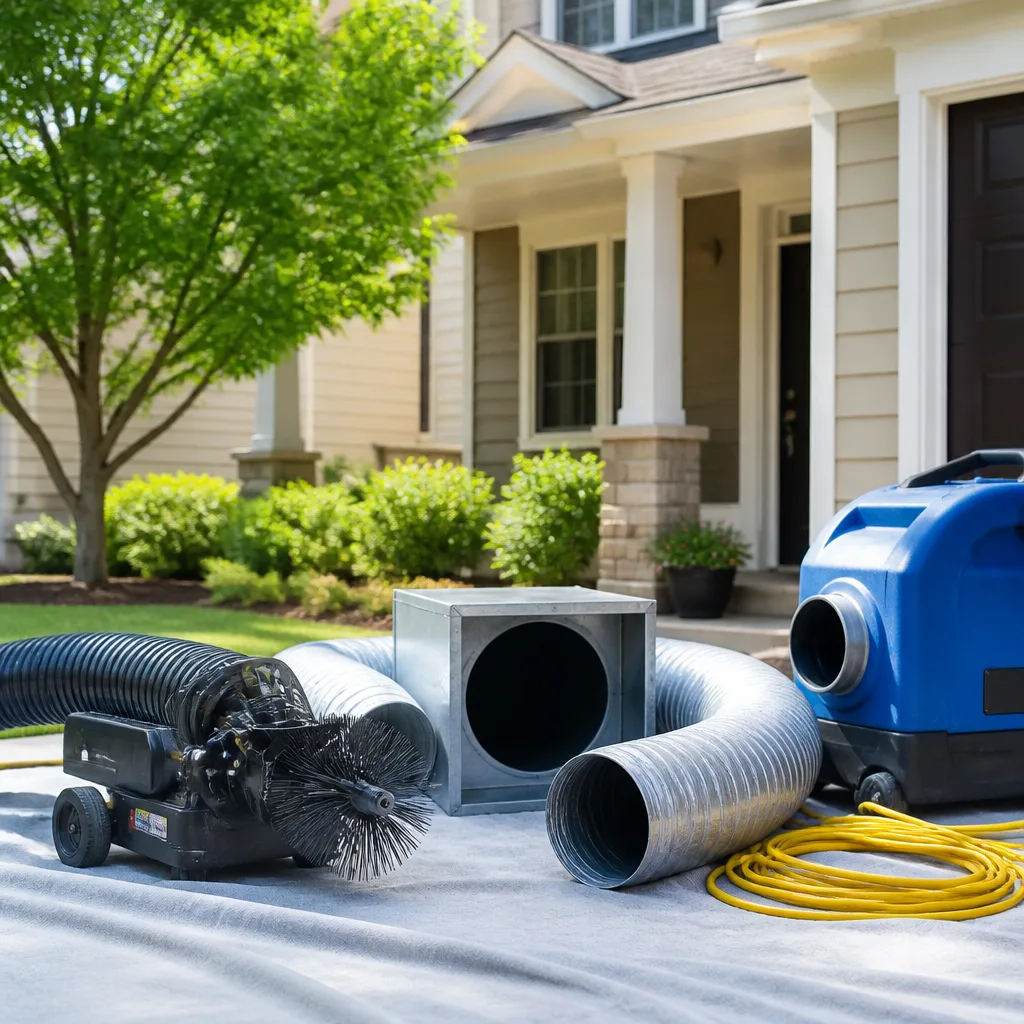 Whole-home duct cleaning
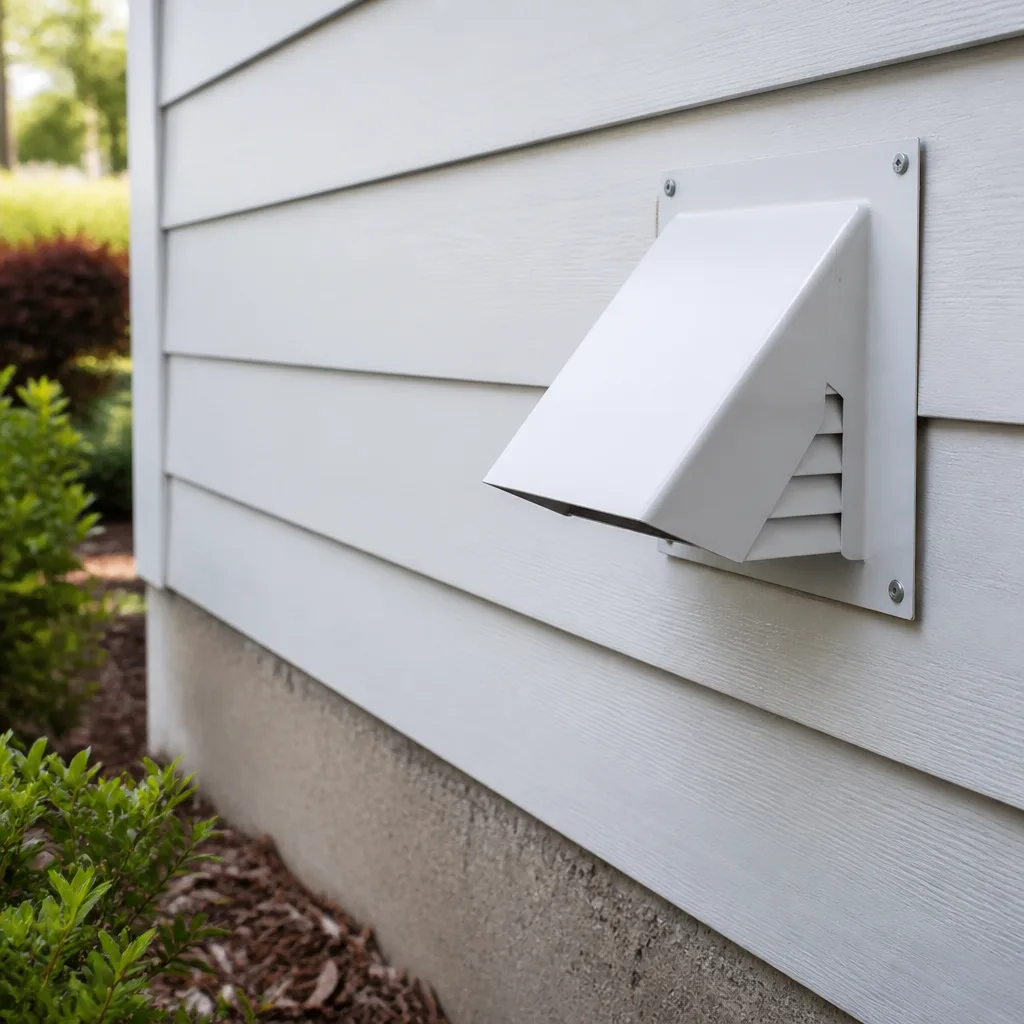 Dryer vent cleaning
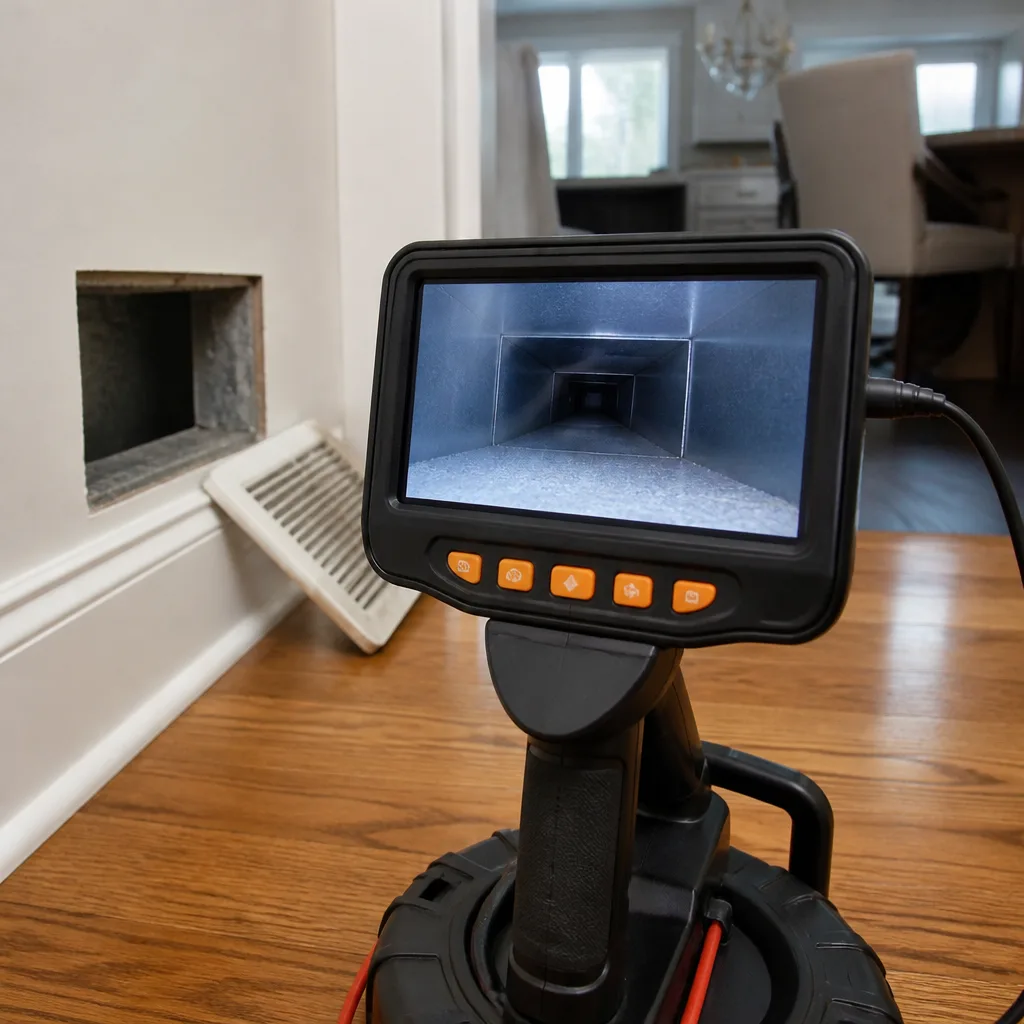 Camera inspection
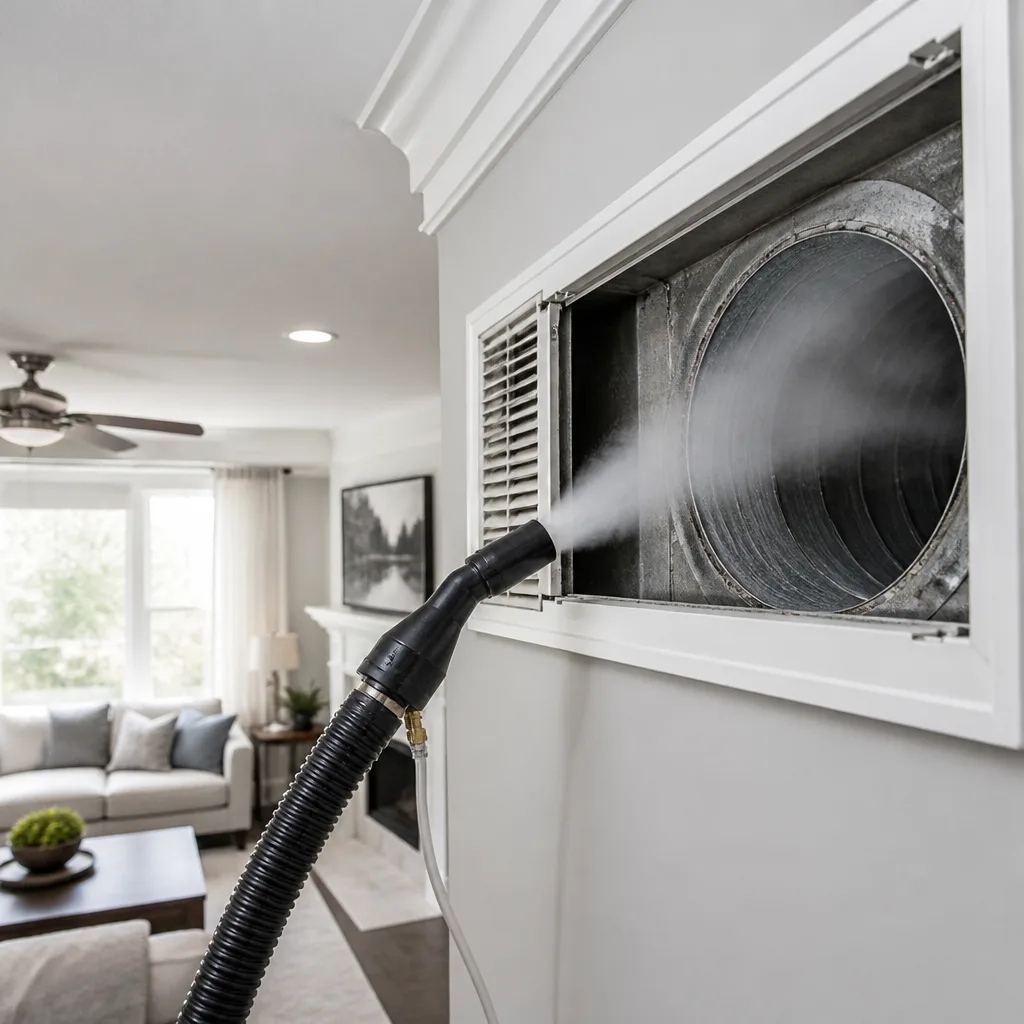 Sanitizing & deodorizing
Whole-system duct and dryer vent check with before-and-after photos - you see exactly what came out of your vents
That "$99 whole-house special" is a bait ad - the real number appears once they are in your hallway, or the "clean" is a shop-vac at the register. We photograph the inside of your ducts before and after instead.
The Complete Air Duct Cleaning Guide for Oakland Homeowners
Most Oakland homes were built long before flexible ductwork became standard. Walk through Rockridge, the flatlands of East Oakland, or the hills above Montclair and you’re looking at houses from the 1920s through the 1960s, structures with sheet metal runs, gravity furnace remnants, or insulation materials that require a completely different cleaning approach than what national guides describe. This Complete Guide to Air Duct Cleaning in Oakland is written for the city specifically. You’ll learn how our housing stock, our marine air, and our seismic history shape what’s in your ducts, what cleaning actually involves, what it should cost, and when it’s genuinely necessary versus when someone is selling you a service you don’t need yet.
Styles & brands we work with
- Whole-home duct cleaning
- Dryer vent cleaning
- Camera inspection
- Sanitizing & deodorizing
Quick Answer
Air duct cleaning is worth doing in Oakland when you have visible dust discharge, recent construction debris in the system, rodent or pest activity, mold growth confirmed by inspection, or a home built before 1970 that hasn’t had its ducts inspected in over a decade. Expect to pay between $450 and $850 for a whole-house cleaning in Oakland depending on home size and system condition. The work should include negative-air containment and brush agitation, not just a vacuum at the register.
Table of Contents
- Why Oakland’s Housing Stock Changes the Duct Cleaning Conversation
- How the Bay Area Climate Affects What’s in Your Ducts
- Seismic Retrofits and Disconnected Ducts: The Oakland Problem
- Air Duct Cleaning Methods: What’s Actually Being Done
- How to Read a Duct Inspection Report for an Oakland Home
- What Air Duct Cleaning Costs in Oakland
- How to Choose a Duct Cleaning Company in Oakland
- Common Mistakes to Avoid
- When to Call a Professional
- Frequently Asked Questions
- The Bottom Line
Why Oakland’s Housing Stock Changes the Duct Cleaning Conversation
National duct cleaning guides assume a certain type of house: built after 1980, flex ducts everywhere, a furnace in a closet, and a system design that a standard vacuum truck can handle. Oakland rejects that assumption on nearly every block. The city’s housing stock is among the oldest in California. According to U.S. Census data, more than 60% of Oakland homes were built before 1960. What that means for your ducts is very specific.
Homes built in the 1920s through the 1950s in neighborhoods like Maxwell Park, Dimond, and Upper Rockridge often have sheet metal ducts with taped seams rather than the flex duct used in later decades. Sheet metal is durable, but older systems present particular challenges. The seams were sealed with materials that degrade. The inner surfaces often have decades of layered dust that’s been baked onto the metal. And in some Oakland homes, particularly those built before 1940, you’ll find remnants of gravity furnace systems: large, uninsulated rectangular runs where air moved by convection rather than fan pressure. These systems hold debris differently than modern forced-air systems and require cleaning methods that won’t damage aged materials.
There’s also the asbestos question. Oakland homes built before 1978 may have asbestos-containing tape, wrap, or insulation on or around ducts. That material, when intact, is not an automatic hazard. But aggressive cleaning with the wrong tool can dislodge fibers. A knowledgeable Oakland contractor checks for this before starting. A generic one doesn’t.
The practical takeaway: if your home predates 1970, your ducts are likely sheet metal, possibly sealed with deteriorated tape, and should only be cleaned with equipment matched to that condition. We’ve seen too many older Oakland homes where a national franchise treated the ducts like a modern flex system and left damaged material or incomplete debris removal behind.
How the Bay Area Climate Affects What’s in Your Ducts
Oakland’s climate is mild by national standards, and that produces a specific debris profile inside duct systems. In the humid Southeast, ducts grow visible mold. In the dry Southwest, they fill with fine dust and sand. Oakland sits somewhere distinct: marine air, moderate humidity, and homes that simply don’t run their HVAC systems very often.
The marine layer off the Bay brings consistent moisture in the mornings, especially in neighborhoods closer to the water like Jingletown, the Fruitvale corridor, and parts of West Oakland. That moisture enters crawl spaces and basement cavities where many Oakland duct systems run. When air sits in those spaces without cycling, which happens frequently in Oakland because our temperatures rarely force continuous heating or cooling, dust particles absorb ambient moisture. The result is a fine, slightly tacky coating inside duct surfaces. It’s not mold in most cases, but it clings to metal and flex duct interiors and doesn’t blow out with simple register vacuuming.
Oakland’s low heating demand also means many systems sit dormant for seven or eight months a year. Dust settles. Pollen from the hills and street trees in areas like Trestle Glen and Crocker Highlands enters return vents and deposits on duct floors. When the furnace finally kicks on in late fall, that accumulated material blows through living spaces. Homeowners mistake this for ongoing dust from outdoors, but they’re often looking at months of settled duct debris getting stirred up.
One more Oakland-specific factor: many homes here have no air conditioning at all. The duct system is heating-only, built for a furnace that runs a few hundred hours per year. Those systems accumulate more settled debris per cooling-free year than a home in Texas that cycles air daily. If your Oakland system is 30 years old and heating-only, the dust load inside can be significant even if the registers don’t look dramatic from the outside.
Seismic Retrofits and Disconnected Ducts: The Oakland Problem
This section won’t appear in any national guide because it’s specific to our geology and our housing policy. Oakland sits between the Hayward Fault and the San Andreas Fault system. The 1989 Loma Prieta earthquake, plus decades of retrofitting programs since, created a distinct and underappreciated issue: duct sections that are no longer connected.
Here’s what happens. Oakland homes on raised foundations, which includes much of the flatlands from West Oakland to Seminary, often undergo seismic retrofitting. Contractors install cripple wall bracing, new anchor bolts, and sheer panels. The work involves lifting or shifting the house structure slightly, even when done correctly. Duct runs that pass through the crawl space, often sheet metal sections joined by friction or degraded tape, get pulled apart. The separation might be an inch or six inches. Either way, the furnace or fan is now pulling air from the crawl space rather than from the living areas.
We’ve inspected Oakland systems where 30% of the air moving through the ducts was bypassing the filter entirely through crawl space gaps. Dirt, rodent droppings, and damp air enter the system. Homeowners experience dust, odd smells, and rooms that never reach temperature, all because of a duct disconnect they can’t see. The retrofit contractor finished the foundation work. The disconnect happened in a crawl space no one has entered since.
- If you’ve had a seismic retrofit in the last ten years, particularly on a pre-1950 home with a raised foundation, schedule a duct inspection even if you don’t plan to clean.
- Ask the inspector to check every joint and seam in the crawl space, not just the visible ducts in the utility room or closet.
- If your energy bills rose after the retrofit and the retrofit contractor can’t explain it, disconnected ducts are a likely cause.
Duct repair is part of our service offering because we routinely find these separations during cleaning jobs in Oakland. A cleaning that doesn’t address a structural gap solves maybe half the problem. The system gets cleaned, then recontaminates within weeks because it’s still drawing crawl space air. For homeowners in retrofit-heavy neighborhoods like Glenview and Laurel, this is often the missing piece in the dust puzzle.
Air Duct Cleaning Methods: What’s Actually Being Done
Air duct cleaning is not one standardized process. The equipment used, the method, and the operator’s care all vary widely. Understanding the differences will help you make a better decision in Oakland, where older systems reward precision.
At the simplest end, a technician vacuums each register from the living space side. This removes surface dust from the first foot or so of duct but does nothing for debris deeper in the system. It’s fast and cheap, and some companies market it as full duct cleaning. It is not.
The standard professional approach involves three components. First, negative air pressure: a powerful vacuum system is connected to the duct network to pull air continuously throughout the job. This keeps dislodged debris from drifting into your living space. Second, agitation: a rotating brush, compressed air whip, or other tool is inserted into the ducts to break loose debris caked onto surfaces. Third, collection: the loosened debris is pulled into the vacuum, typically through a HEPA filtration unit that traps particles rather than exhausting them into your yard or crawl space.
There’s also the matter of matching the tool to the duct type. Sheet metal ducts in older Oakland homes tolerate rotary brush agitation when done correctly. Flex ducts, more common in 1980s and 1990s construction in developments like Sequoyah Hills or parts of the Oakland Hills, are more delicate. They should be cleaned with gentler agitation to avoid tearing the liner. A company that uses the same tool on every system is skipping an important judgment step.
In our work across Oakland, we match the equipment to the system. Rotobrush rotary-brush extraction works well for heavily loaded sheet metal systems and for duct interiors with baked-on dust. Nikro industrial extraction, with its high-powered vacuum capacity, handles deep-system work where we need serious negative pressure. And when we clean, Abatement Technologies HEPA filtration runs on the containment side so dislodged material stays trapped. We contain what we dislodge rather than pushing it into the home’s air. That’s the difference between a specialist visit and a truck with a vacuum hose.
How to Read a Duct Inspection Report for an Oakland Home
Before spending money on cleaning, you want an inspection. A proper inspection produces a camera scope of your duct interiors, measurements of debris load, and notes on duct material, joint integrity, and any visible mold or pest evidence. Reading that report accurately requires knowing what’s normal for Oakland homes.
Not all dust is a problem. Every forced-air system accumulates fine particles over time. A light, uniform coating of fine dust on duct surfaces, especially in a heating-only Oakland system that runs sporadically, is normal. Industry assessment guidelines typically categorize debris load on a scale. Light debris on the bottom of horizontal runs is often acceptable. Heavy debris, debris on all surfaces including the top of ducts, visible debris being blown from registers, or debris mixed with moisture is not.
Mold findings deserve scrutiny. If the inspector claims mold, ask for evidence: a moisture reading, a lab sample, or at minimum a clear camera image of the affected area. Oakland’s marine air can create condensation in crawl space ducts, but condensation isn’t automatically mold. A report that says “microbial growth suspected” without moisture data or sampling is a sales tactic, not a finding.
Here’s a practical reading guide:
- Sheet metal ducts with taped seams: expect the inspector to note seam condition. Deteriorating tape is a repair item, not just a cleaning item.
- Flex ducts in a 1980s-era home: expect notes on sagging, kinking, or tears. Sagging flex duct collects debris unevenly.
- Crawl space duct runs in a retrofitted home: expect joint inspection. If the inspector didn’t go into the crawl space, the report is incomplete.
- Pre-1978 home materials: a responsible inspector notes suspected asbestos-containing wrap and avoids disturbing it until tested.
When the report has actual camera footage, you can verify what the inspector concluded. Clear interior surfaces, even with some dust, usually don’t need cleaning. Visible debris piling at duct turns or coat-hanger-thick dust on the sides usually does. Trust the footage more than the summary paragraph.
What Air Duct Cleaning Costs in Oakland
Oakland duct cleaning prices vary by home size, system complexity, and the depth of the work. We’ll give you the honest ranges we see across the East Bay market. No one should quote you a firm price without inspecting the system, but these are realistic expectations for whole-house cleaning.
- Small home (under 1,200 sq ft), one furnace, 6-10 vents: $350 to $500
- Mid-size home (1,200-2,500 sq ft), one furnace, 10-16 vents: $450 to $700
- Large home (over 2,500 sq ft), two furnaces or complex systems, 16+ vents: $650 to $1,000+
- Crawl space duct inspection only (no cleaning): $100 to $200, often credited toward cleaning if you proceed
- Dryer vent cleaning as a separate service: $90 to $180 in Oakland, worth doing alongside duct work
Why the wide ranges? Two Oakland homes of the same square footage can have very different systems. A 1930s home in Redwood Heights with original sheet metal, two gravity furnace remnants, and a crawl space run requires more labor and different equipment than a 1995 home in Chabot Park with accessible flex ducts. The older system takes longer and demands more care. A single flat price per system, agreed before the work starts, protects you from the bait-and-switch that gives this industry a bad reputation.
Be wary of very low prices. A $99 whole-house cleaning is not whole-house. It’s a register vacuum and a sales pitch. You’ll sit through an hour of scare tactics and leave with either a far larger invoice or a barely touched system. The equipment required to clean ducts properly, meaning negative air plus proper agitation plus HEPA collection, is expensive to acquire and maintain. No company doing real work can absorb that cost into a $99 visit without making it up somewhere else.
We quote one flat price per system after inspection. You know the number before we start and that number doesn’t change based on what we find inside. That’s the only model that works for Oakland’s older, unpredictable housing stock. Learn more about air duct cleaning in Oakland on our service page.
How to Choose a Duct Cleaning Company in Oakland
Oakland has no shortage of companies that will clean your ducts. They range from national franchises to one-person operations to HVAC contractors who add duct cleaning as a side service. The differences matter, especially in a city with our specific housing conditions.
First, ask what equipment they use and listen for specifics. A company that says “industrial equipment” without naming it is hiding something. A company that says “we use Rotobrush for mechanical agitation and an Abatement Technologies HEPA vacuum for collection” is telling you exactly what happens in your home. Equipment brands are not marketing. They tell you whether this is a cleaning company that invested in professional-grade tools or a generalist with a shop vac.
Second, ask whether they inspect before quoting. A responsible Oakland duct cleaner wants to see the system before promising a price. Crawl space access, duct material, and system condition all affect the work. A company that quotes over the phone without seeing the house is not doing a specialist’s job.
Third, ask about containment. This is the question that separates real cleaning from register vacuuming. A proper job uses negative air pressure to keep dislodged dust from entering your living space. If the company can’t explain how they contain debris during the work, they probably aren’t containing it.
Fourth, ask about repair capability. Oakland’s older systems frequently need more than cleaning. Joints separated by seismic work, torn flex duct, crushed sections under the house, all of these require structural repair. If your cleaning company can’t handle air duct repair in Oakland, you’ll be coordinating two contractors or, more commonly, skipping the repair entirely and recontaminating your clean system.
We’re the equipment-serious alternative to generalist HVAC companies that treat duct cleaning as an upsell. Our work covers cleaning, repair, and air quality product integration through brands like Honeywell, so the result is a sealed, clean system rather than a vacuum pass. A specialist, not a side service.
Common Mistakes to Avoid
- Cleaning ducts without first fixing crawl space gaps. In Oakland’s retrofit-heavy housing market, cleaning a system with open joints means the ducts recontaminate quickly. Find and seal the gaps first or as part of the job.
- Paying for cleaning without camera verification. A company that doesn’t show you before-and-after footage of the duct interiors hasn’t proven they did what they claimed. Insist on seeing it.
- Assuming old ducts can handle any cleaning method. Pre-1970 sheet metal systems in Oakland often have deteriorated seals and possibly asbestos-containing materials. Aggressive cleaning without inspection can damage both.
- Choosing based on price alone. This industry has a documented bait-and-switch problem. A low teaser price is usually a starting point for a much larger invoice once the technician is inside.
- Ignoring the dryer vent while cleaning the HVAC ducts. Dryer vents are the more common fire hazard and are typically cheaper to clean. A dryer vent isn’t a minor chore, it’s a fire-risk checklist item.
- Expecting duct cleaning to solve a moisture problem. If your crawl space is damp and ducts are sweating, cleaning removes the visible debris but not the underlying moisture. Address the water source too.
- Trusting a report that flags “black dust” without evidence. Black dust in ducts can be soot, dirt, or mold. Ask for laboratory confirmation before paying for mold remediation. In Oakland’s older homes, it’s often old coal furnace residue from the pre-1950s era.
When to Call a Professional
Call a duct cleaning professional when you see dust discharging from registers, find visible debris inside ducts during a visual check, have had construction or renovation work that likely introduced dust into the system, or discover rodent activity in the crawl space or duct runs. Call after a seismic retrofit or major foundation work if your dust levels increased. Call if you suspect disconnected ducts based on rooms that never heat properly or a musty smell when the fan runs. Call before you buy a pre-1970 Oakland home so you know what’s in the system. Hallmark Air Duct Cleaning offers free estimates in Oakland; call (833) 467-6681 to schedule an inspection and a flat-price quote.
Frequently Asked Questions
Expect to pay between $450 and $850 for whole-house cleaning in Oakland depending on home size, system age, and number of vents. Smaller homes with accessible systems run $350 to $500. Larger or older homes with crawl space systems and multiple furnaces can exceed $1,000. A flat price per system, agreed before work starts, protects you from the bait-and-switch common in this industry. Call (833) 467-6681 for an exact quote after inspection.
Most Oakland homes need professional duct cleaning every 5 to 10 years, though homes with pets, recent renovations, or retrofits may need it sooner. The mild climate means systems sit dormant for months, collecting settled debris, and older homes have duct materials that hold dust more than modern flex systems. Use a camera inspection to determine actual need rather than relying on a calendar.
Cheaper quotes typically cover register-side vacuuming only, not genuine system cleaning with negative air containment and mechanical agitation. The low price often leads to an aggressive upsell once the technician arrives. Real whole-system cleaning requires expensive professional equipment and takes several hours for an average Oakland home, which a $99 price cannot honestly cover.
Ask for before-and-after camera footage of the duct interiors. A responsible company will show you the same duct sections before and after and let you see the difference. Also ask for a short walk-through of the equipment used and what was collected. The proof is visual, not a checklist signature.
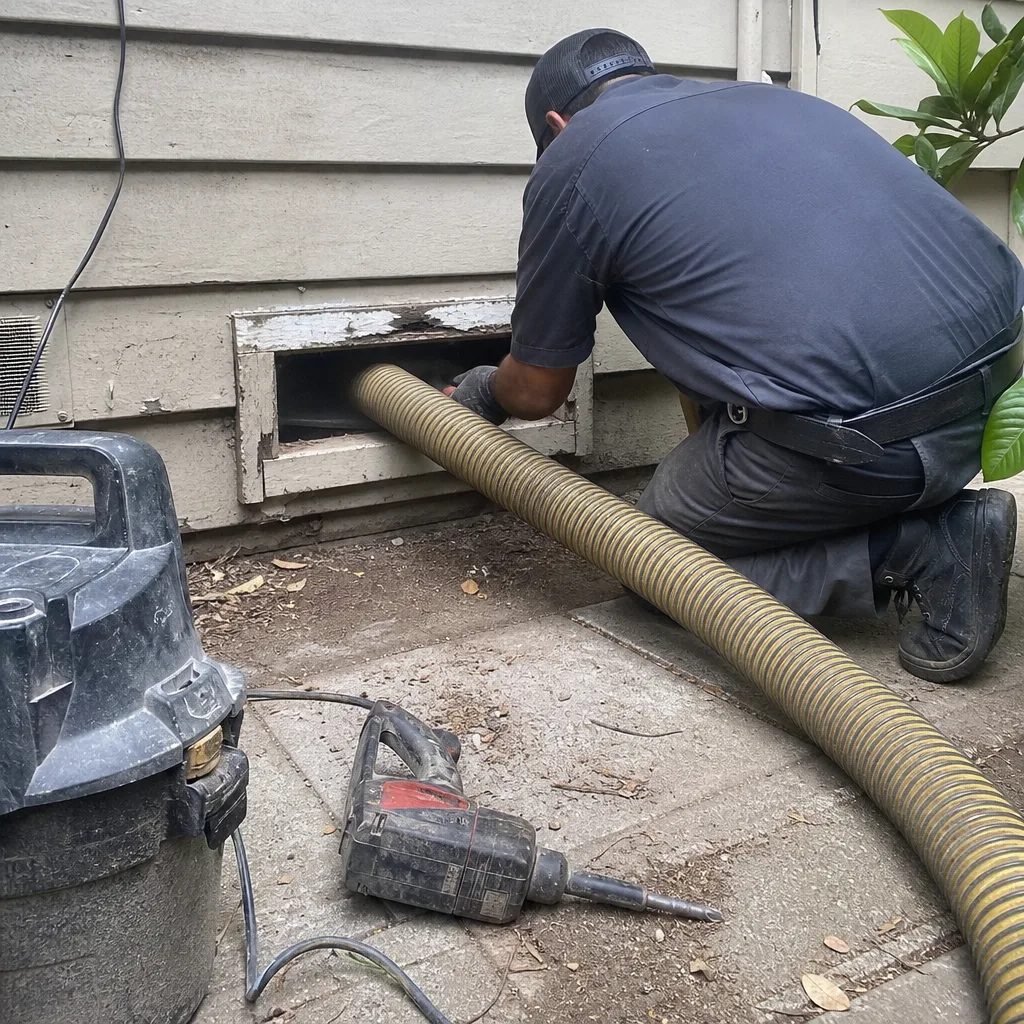
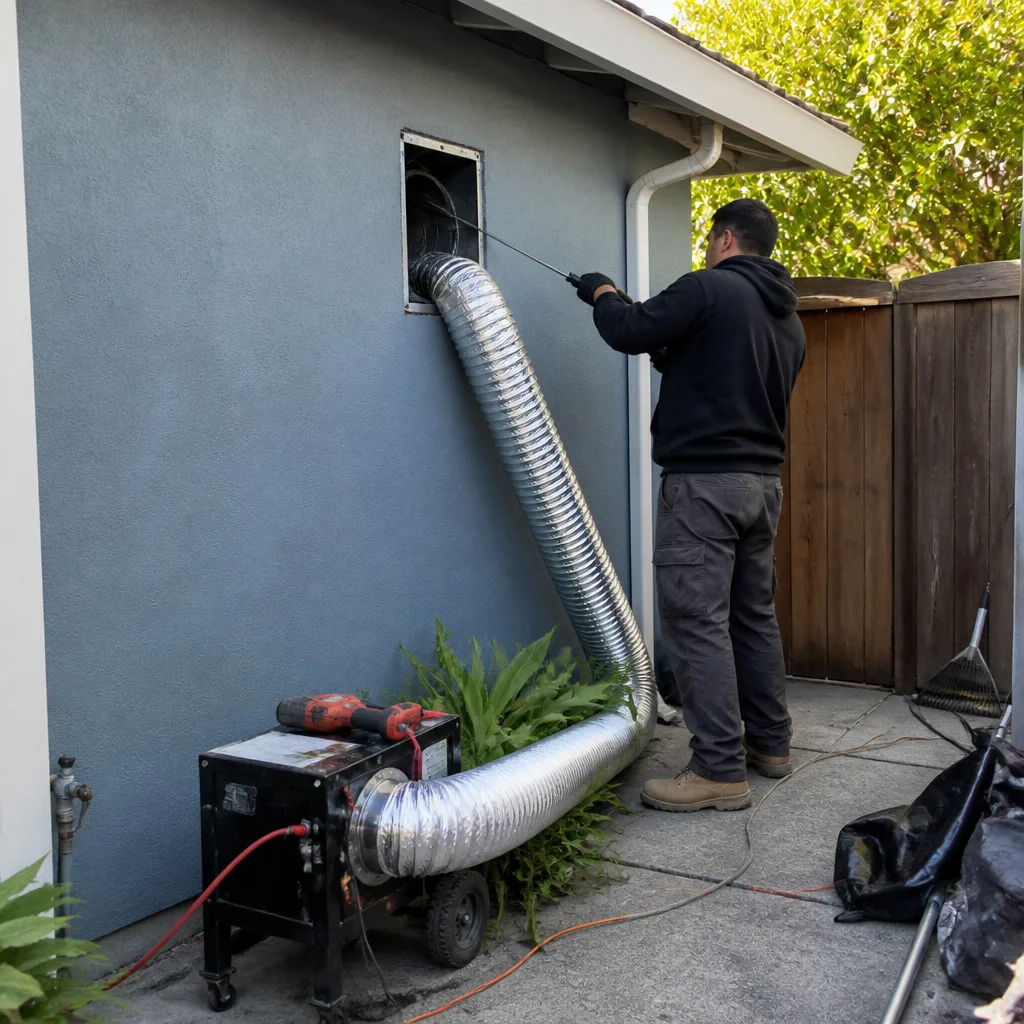
Yes. Lint buildup is a leading cause of home dryer fires, and Oakland homes with long interior vent runs or roof terminations are especially prone. Cleaning the dryer vent is a dedicated fire-safety service, not a tacked-on chore, and it should be done every year or two depending on household laundry volume. Our dryer vent cleaning in Oakland service includes full-length cleaning and flow verification.
It can, particularly when the system contains concentrated dust, pollen from Oakland’s street trees, and debris accumulated over years of sporadic air cycling. Cleaning removes that reservoir of particles. But ducts are one part of indoor air quality. Homes that need broader improvements may benefit from whole-home air quality evaluation including filtration assessment. Honest expectation-setting matters more than promises.
The Bottom Line
Oakland’s housing stock makes air duct cleaning a more consequential decision here than in most of the country. Our older sheet metal systems hold decades of dust. Our marine air creates sticky, settled debris. Seismic retrofits quietly disconnect duct runs. And the difference between a real cleaning with proper equipment and a register vacuum is enormous. The right approach for your specific system, matched to its material and condition, produces clean ducts, sealed ducts, and a safer home. If you’re in Oakland and want an honest assessment of what’s in your system and whether cleaning makes sense, call (833) 467-6681. The inspection is free and the price you’re quoted is the price you pay.
Written by the team at Hallmark Air Duct Cleaning, serving Oakland since 2011. For more guides & resources, visit our blog.
See the difference
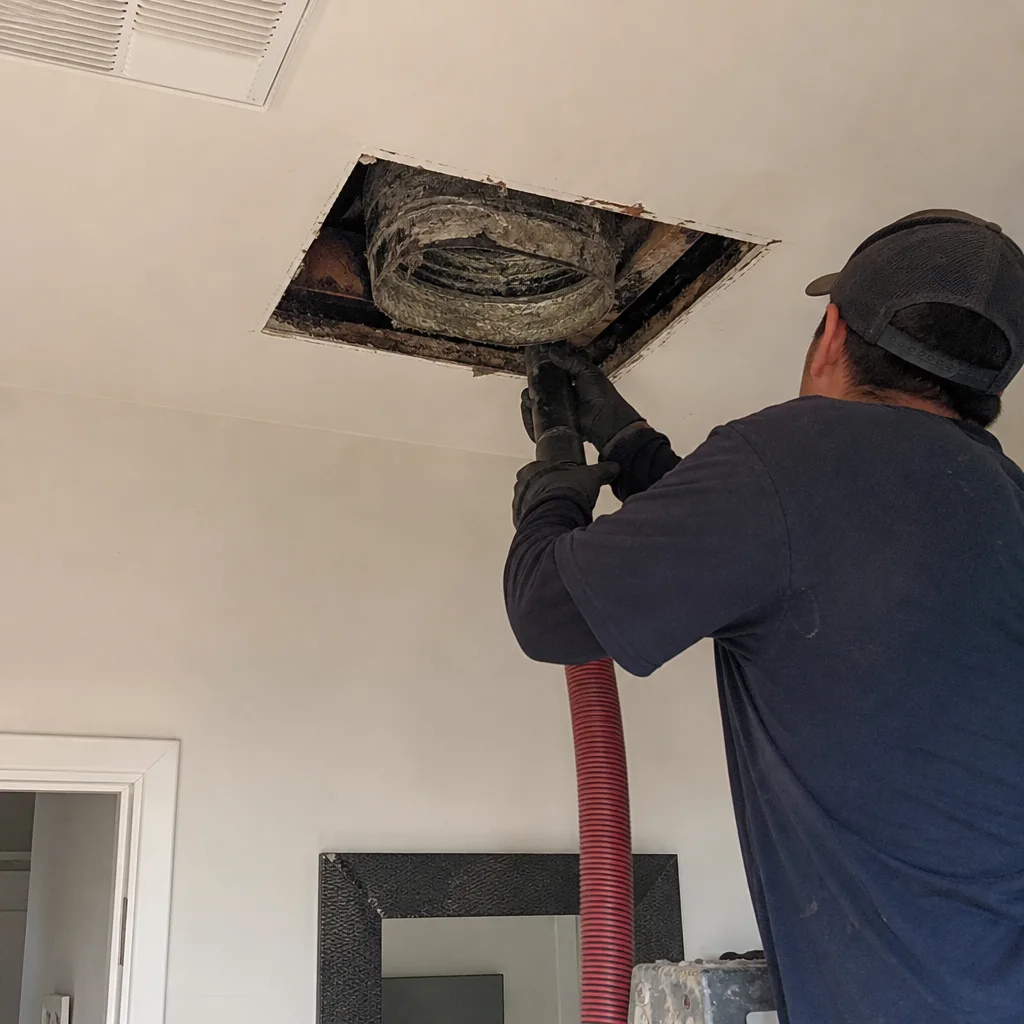 Before
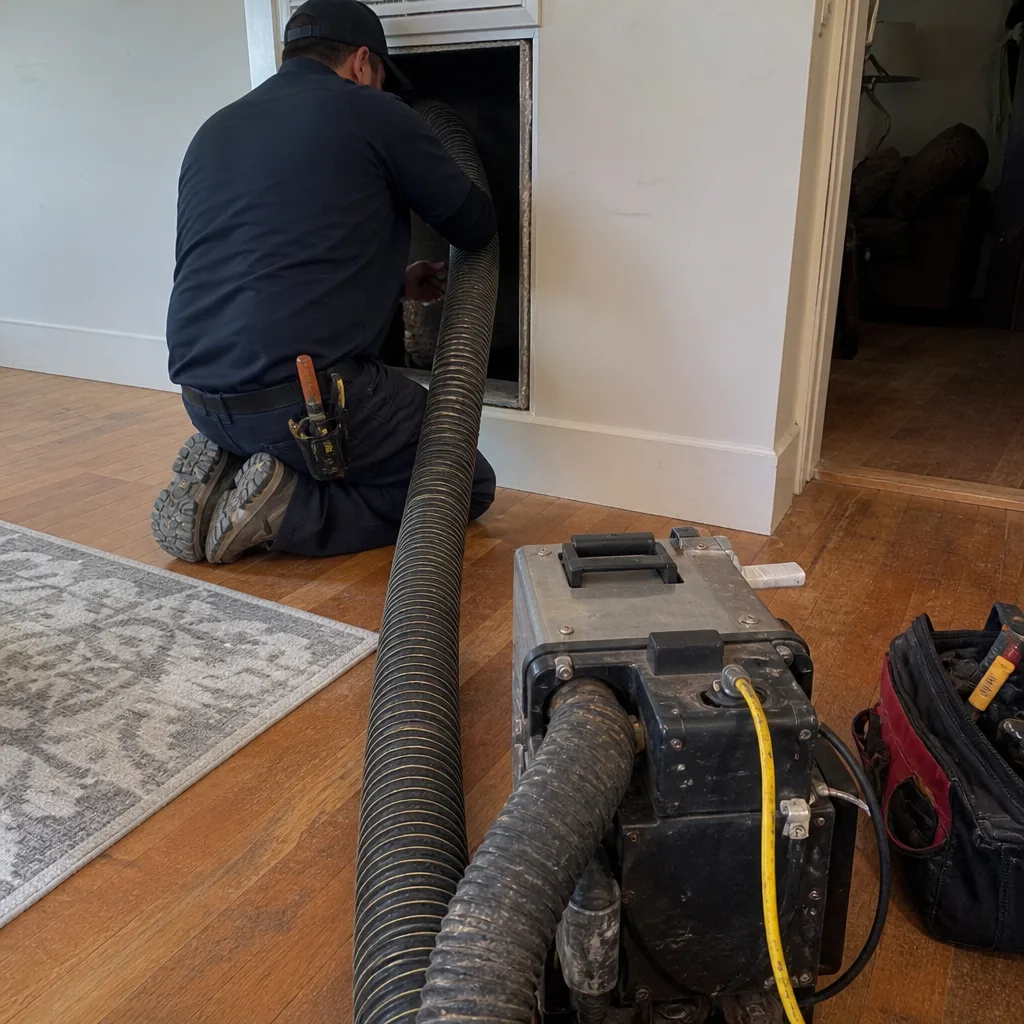 After
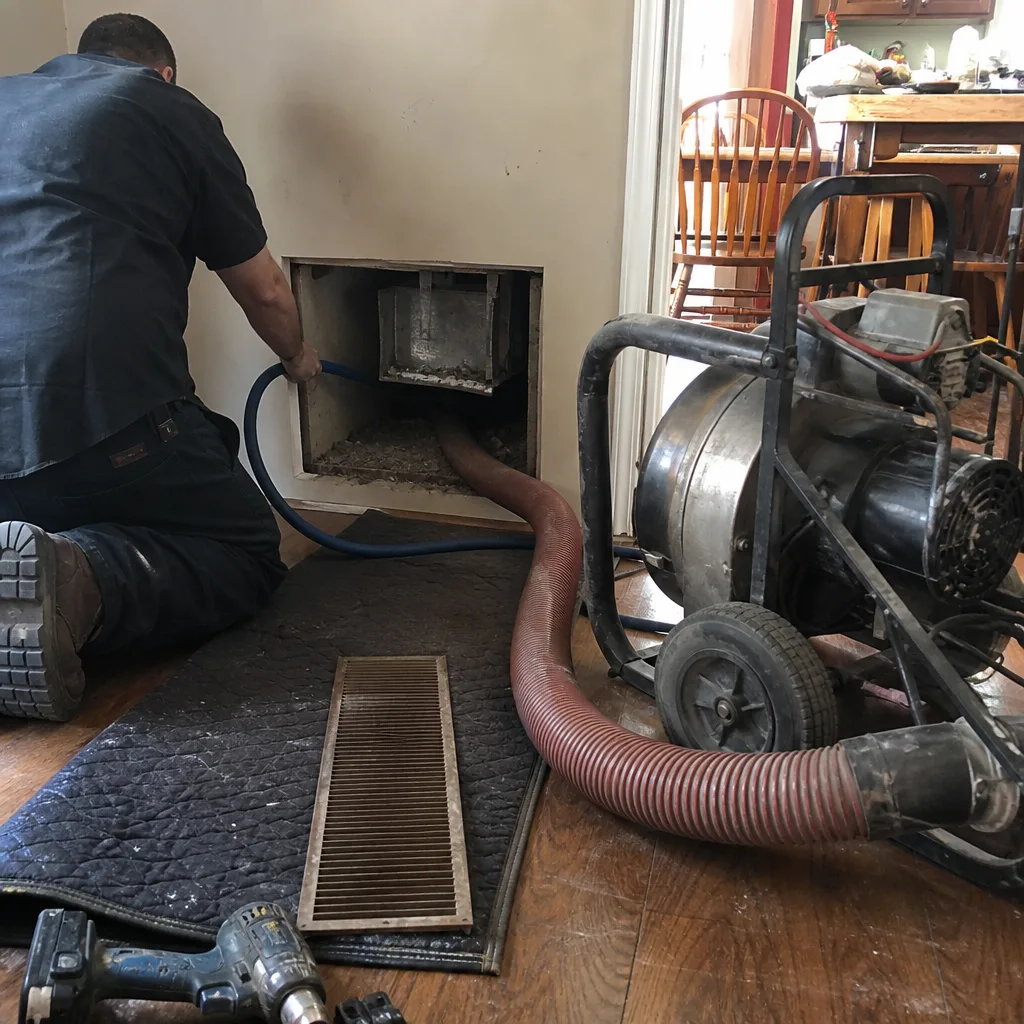 Before
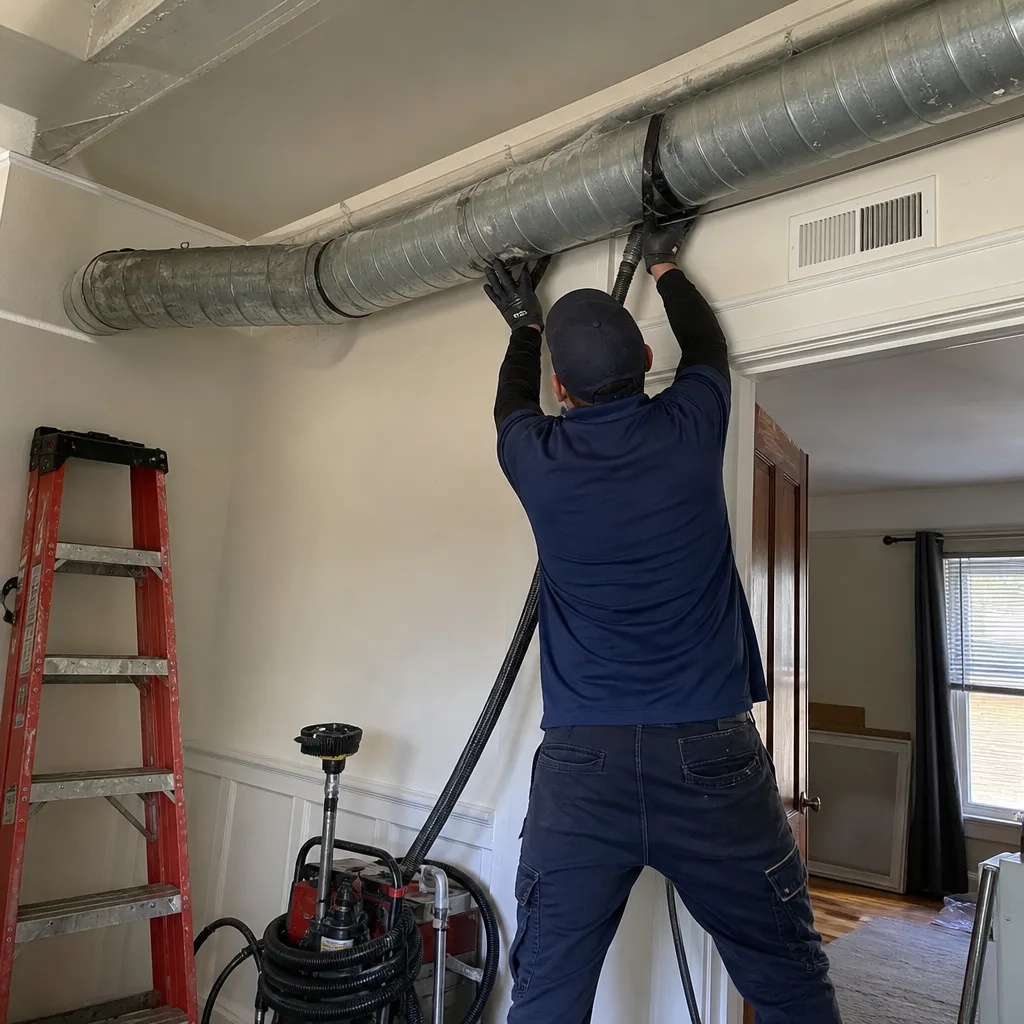 After
 Before
 After