
Last updated November 2, 2026
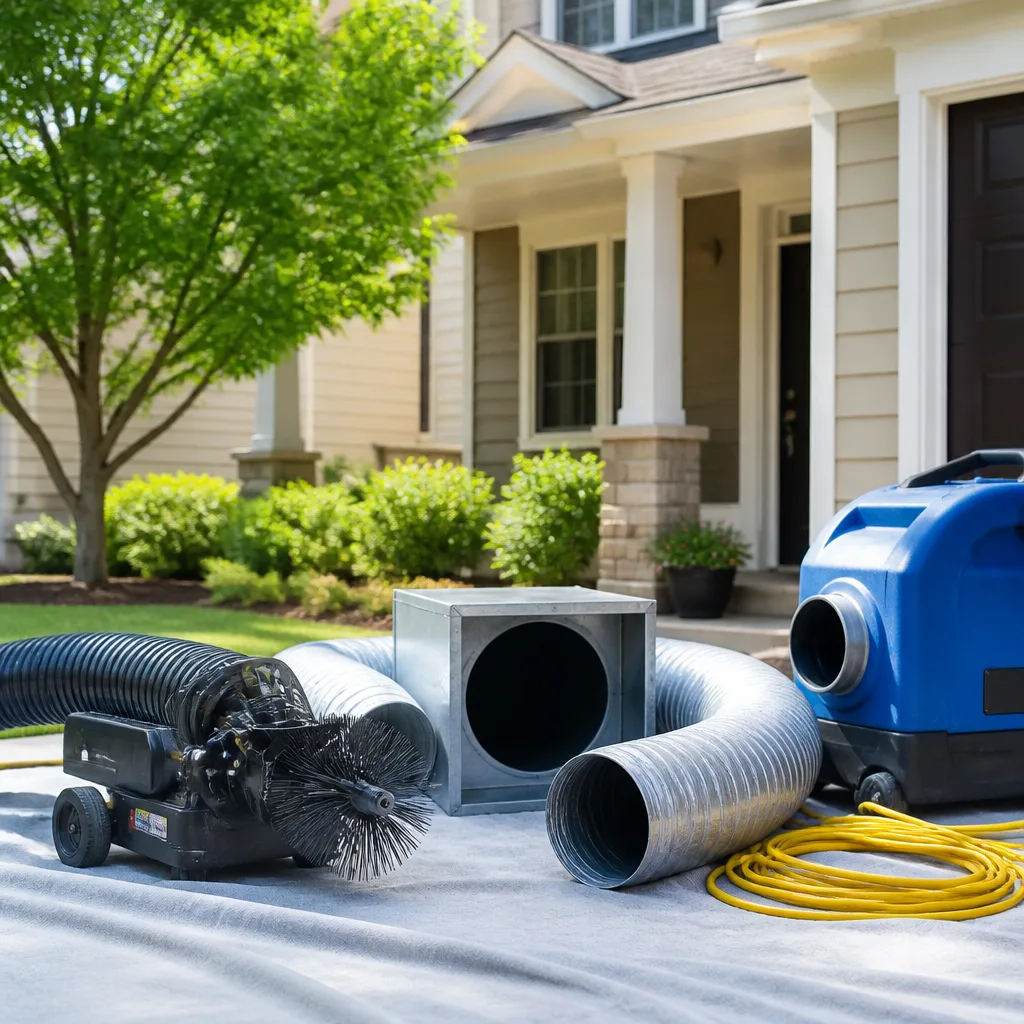 Whole-home duct cleaning
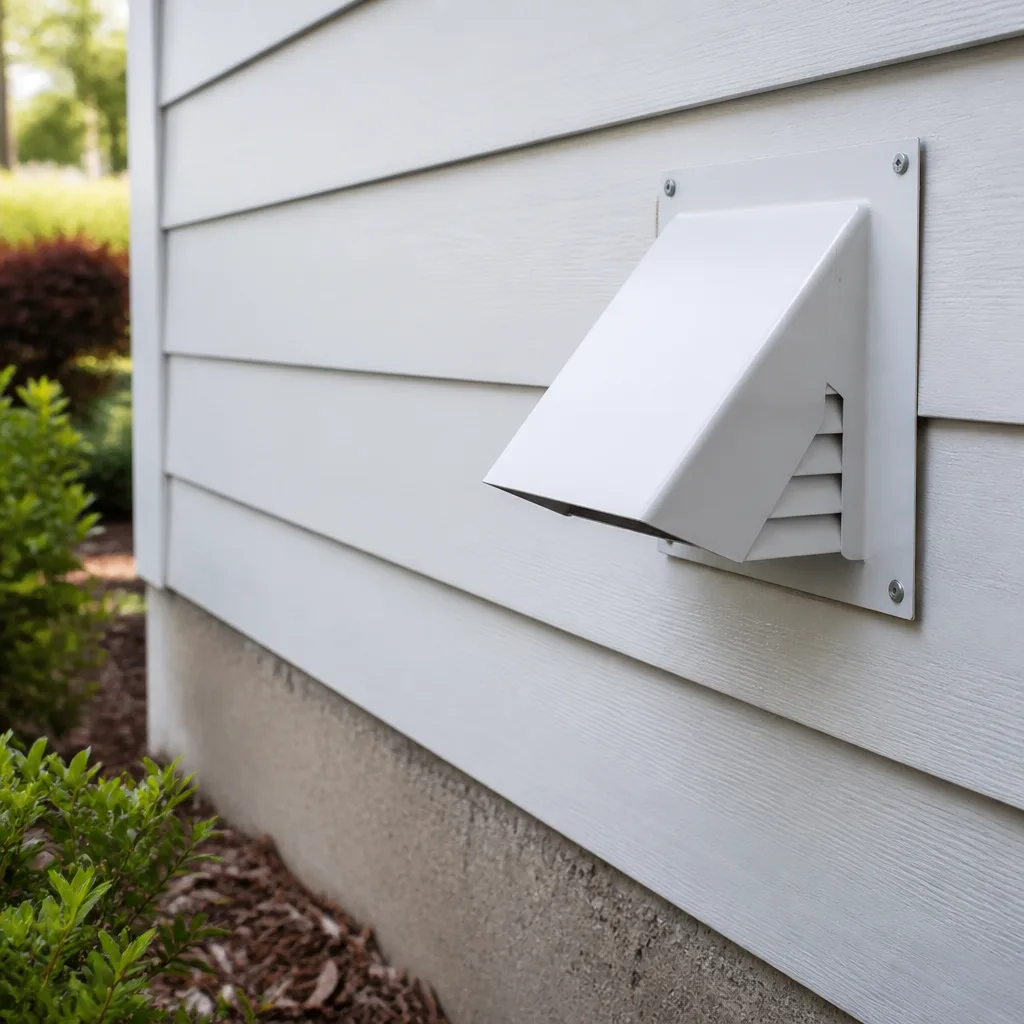 Dryer vent cleaning
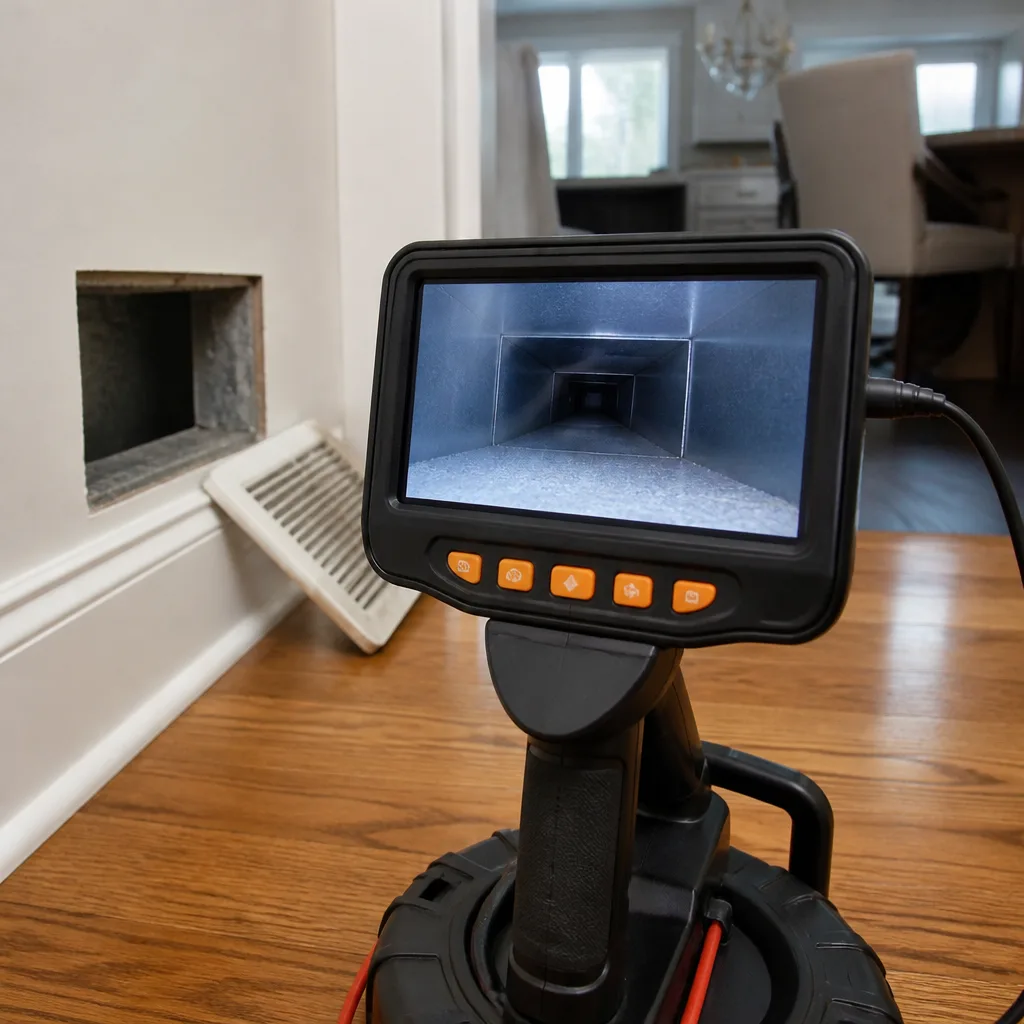 Camera inspection
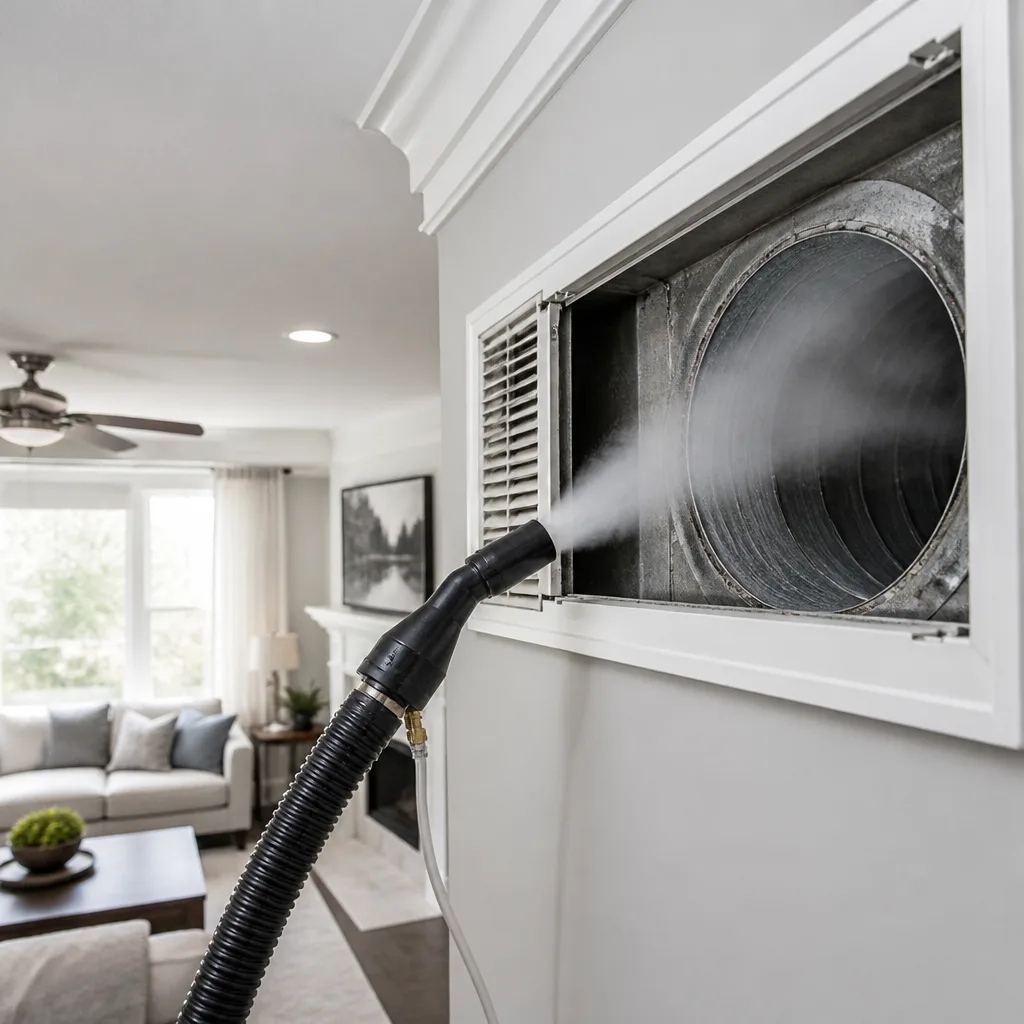 Sanitizing & deodorizing
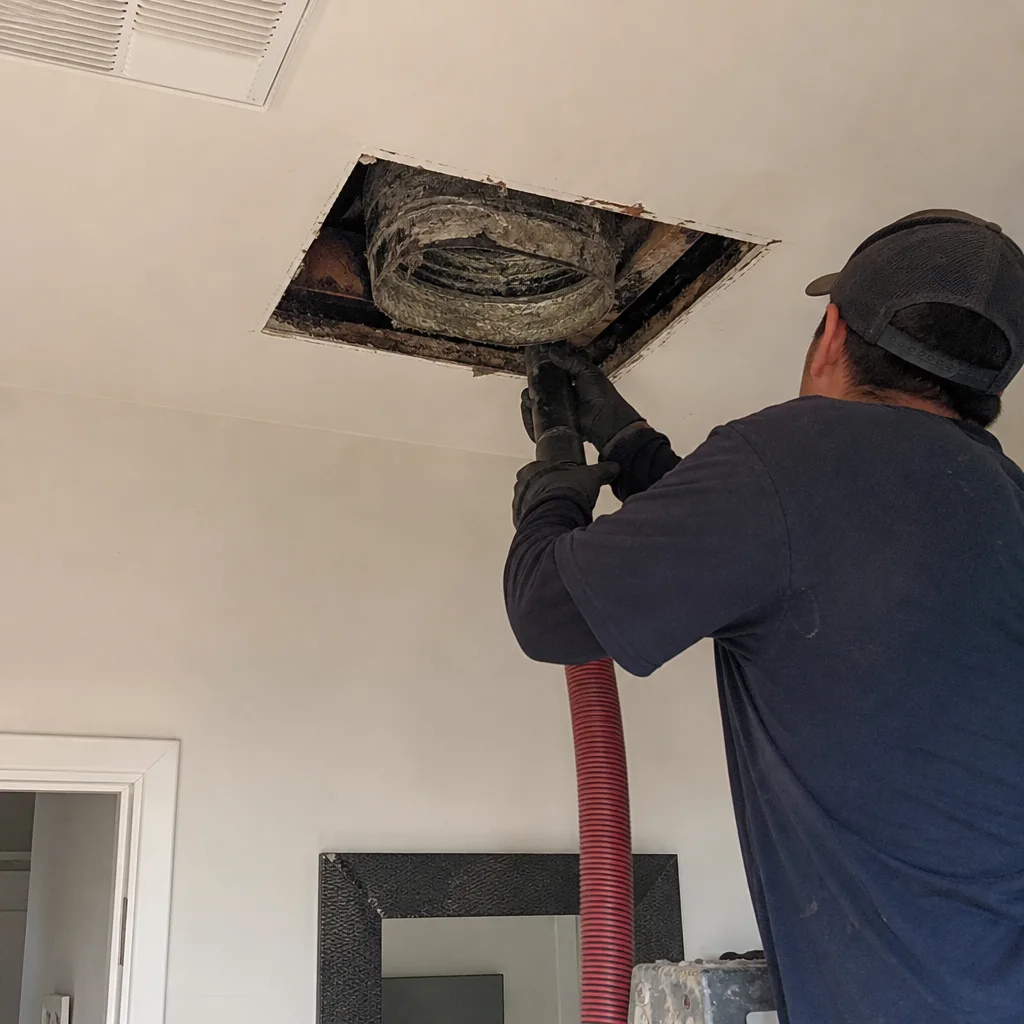
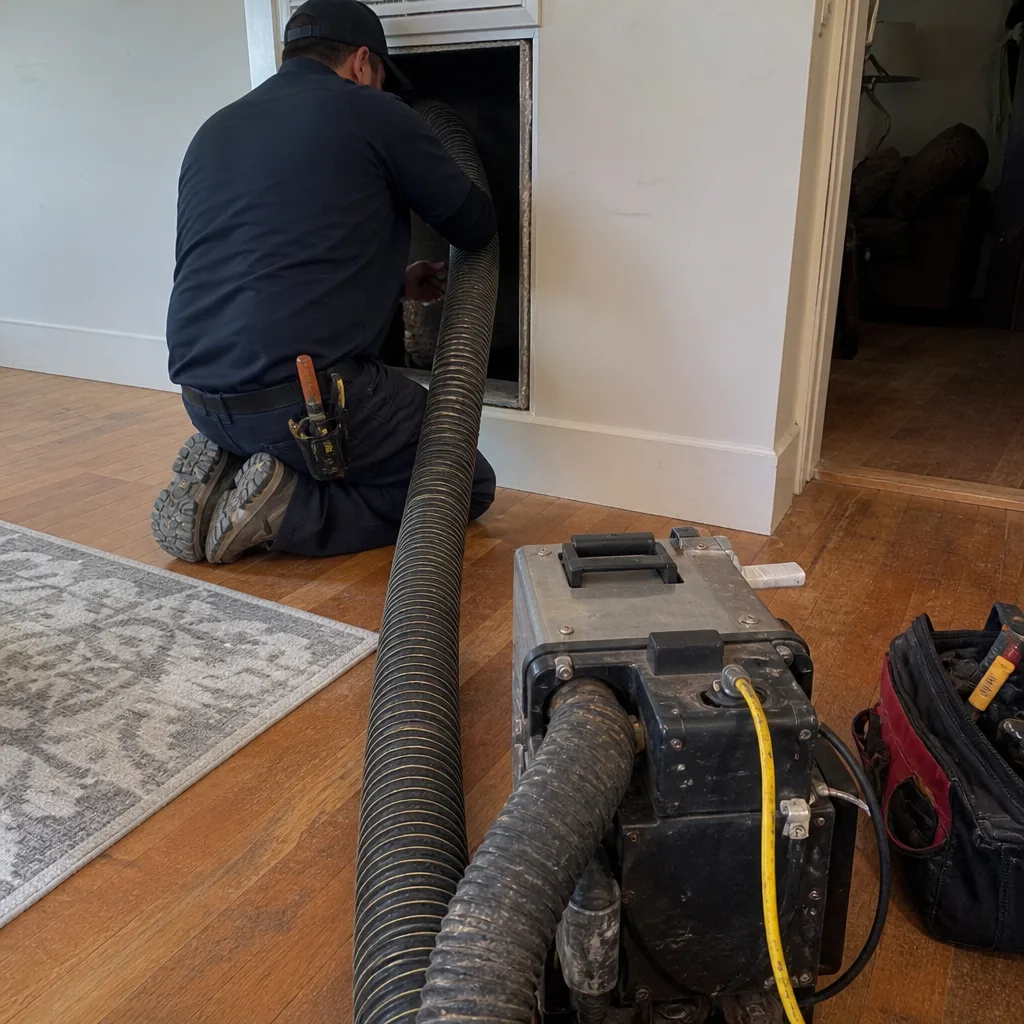
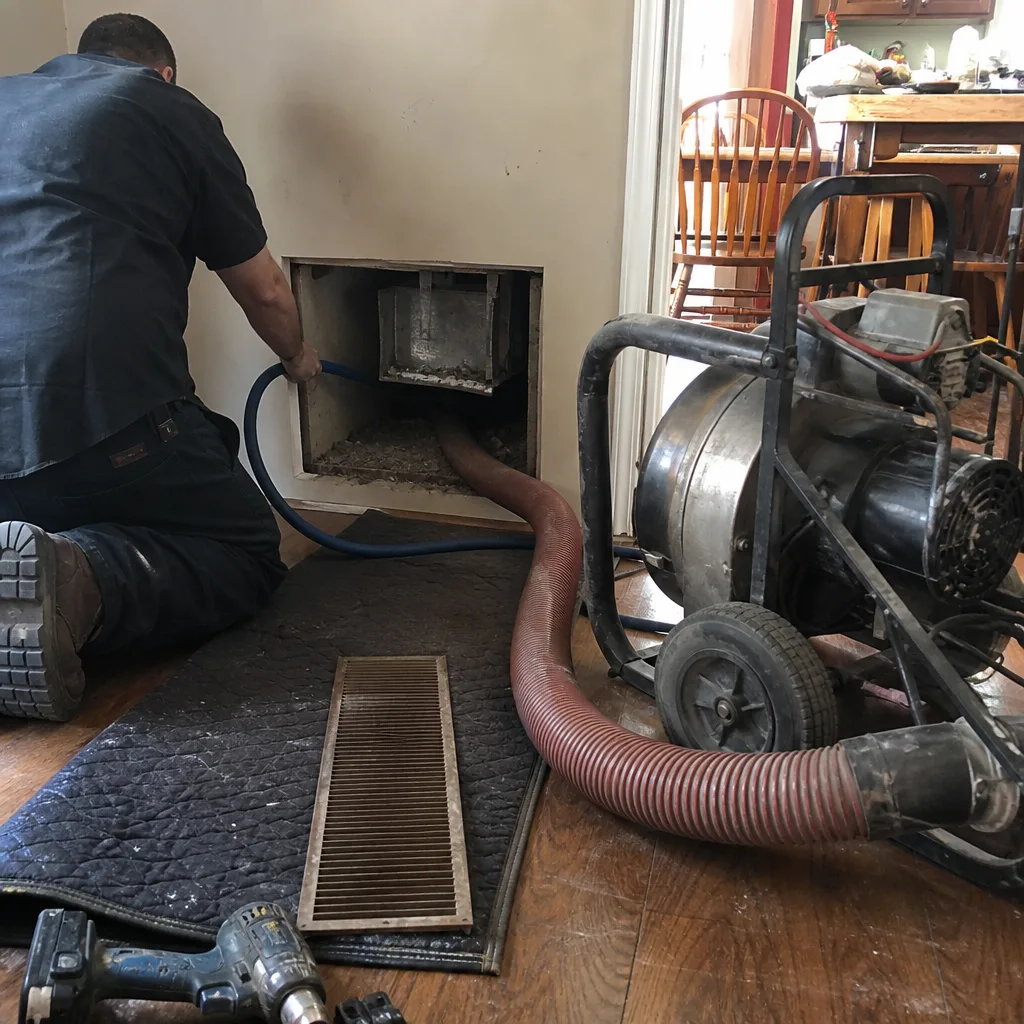
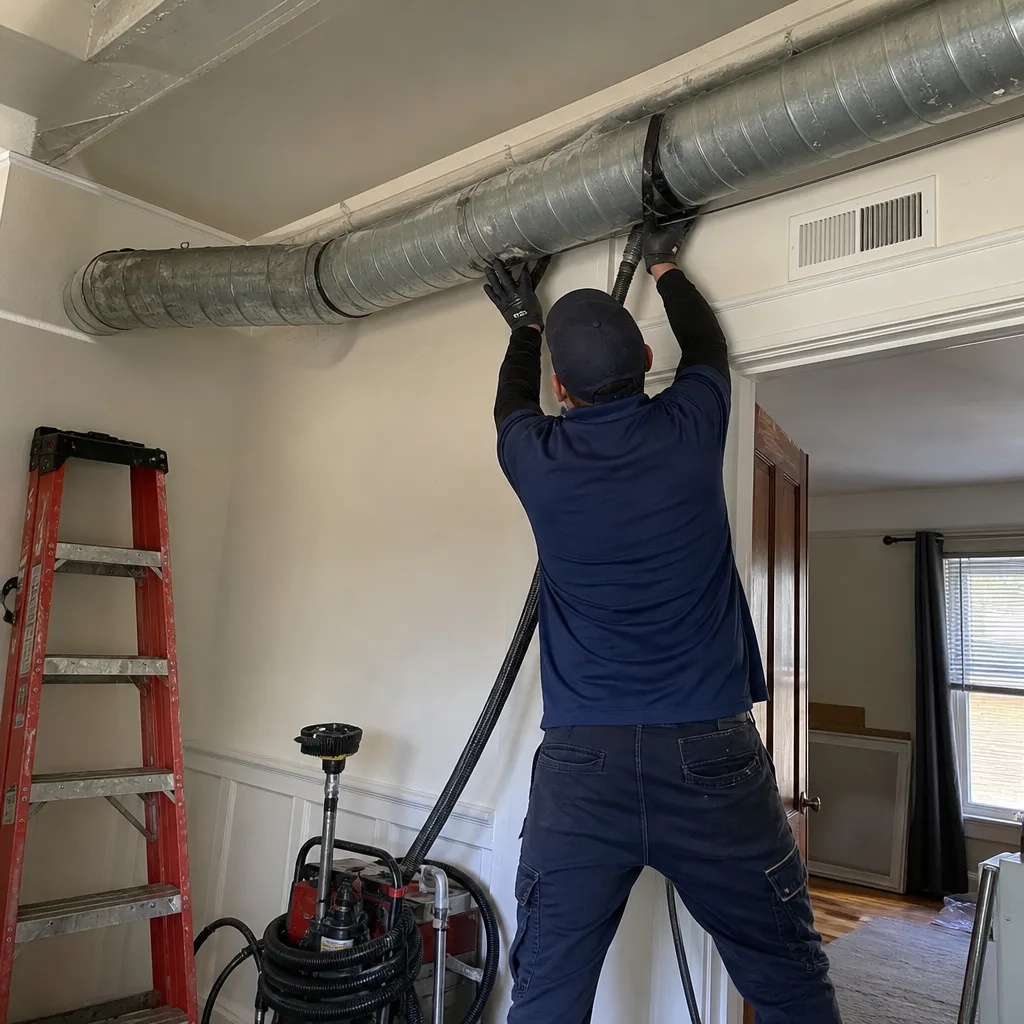
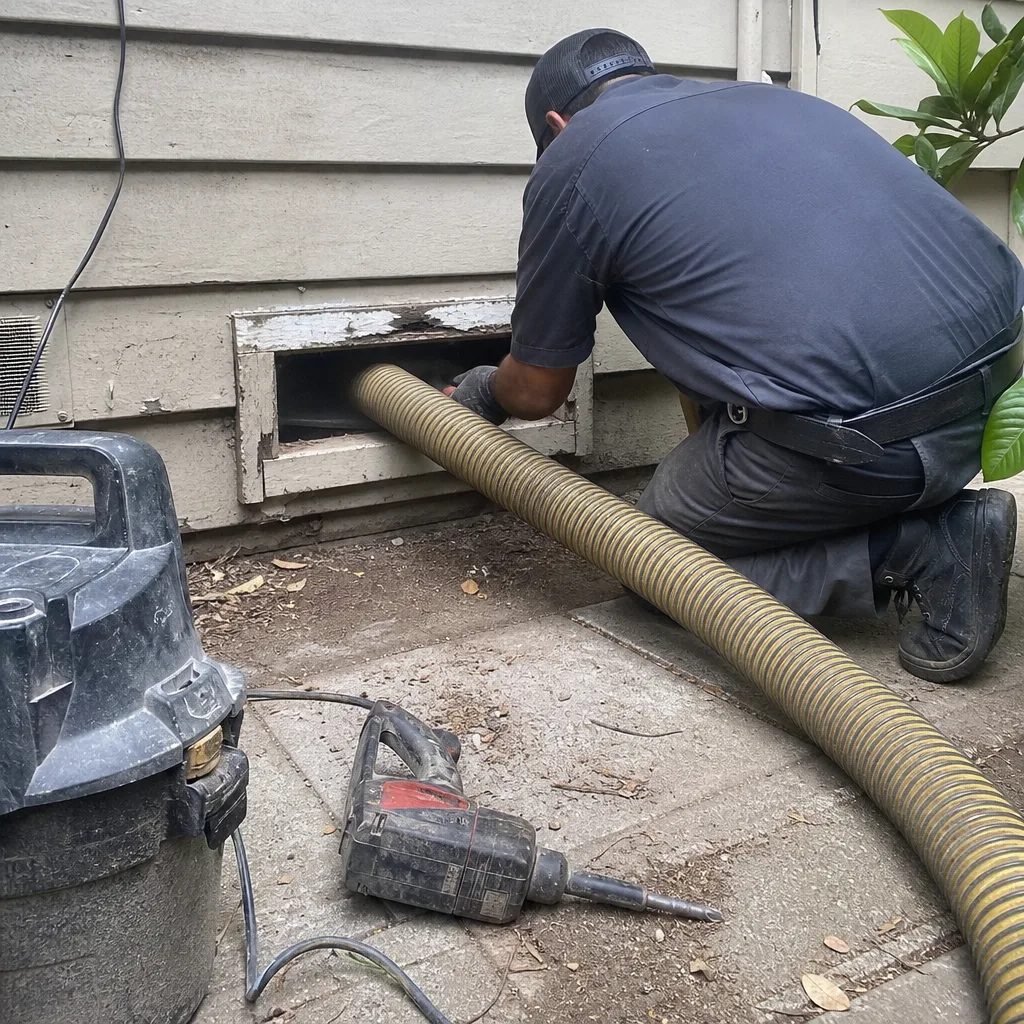
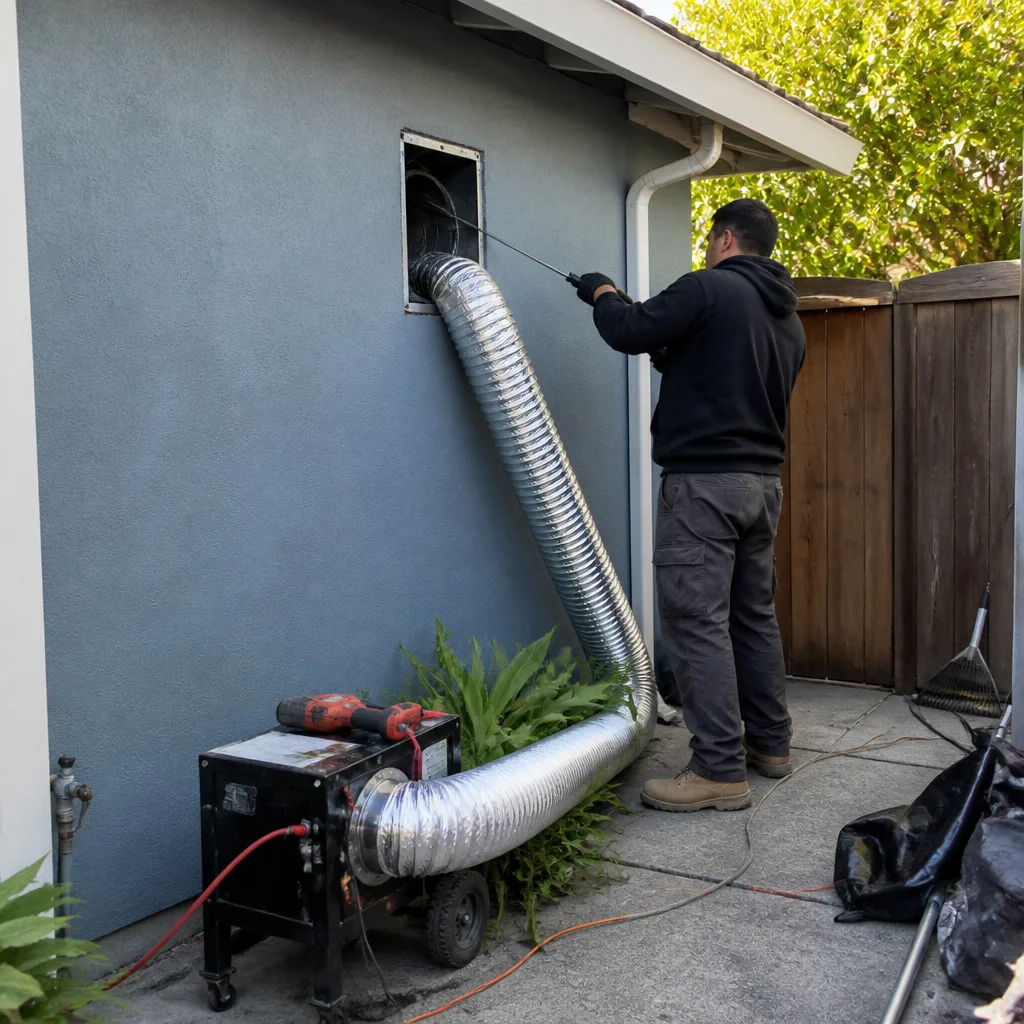
Whole-system duct and dryer vent check with before-and-after photos - you see exactly what came out of your vents
That "$99 whole-house special" is a bait ad - the real number appears once they are in your hallway, or the "clean" is a shop-vac at the register. We photograph the inside of your ducts before and after instead.
Seasonal Air Duct Cleaning Care for Oakland: Year-Round Homeowner’s Guide
Oakland doesn’t get four seasons. It gets wildfire smoke, winter rain, and two shoulder seasons that most national home-maintenance calendars completely ignore. If you’ve been following generic “clean your ducts every spring and fall” advice, you’ve been servicing your system on a schedule built for Connecticut, not the East Bay. Here’s the reality: the window between October and December, after the smoke clears and before the rains settle in, is the single most impactful time to have your Oakland ducts cleaned. This guide breaks down what to do, when, and why, month by month, based on the air quality events and humidity patterns that actually occur in Oakland.
Styles & brands we work with
- Whole-home duct cleaning
- Dryer vent cleaning
- Camera inspection
- Sanitizing & deodorizing
Quick Answer
The best time to clean air ducts in Oakland is late October through November, after wildfire smoke season ends but before winter rains begin. Schedule a professional cleaning once every 3 to 5 years, with a post-wildfire inspection any year a major smoke event occurs. Duct cleaning costs in Oakland typically range from $450 to $1,100 for a whole-home system, depending on home size, contamination level, and whether repair work is needed.
Table of Contents
- Oakland’s Real Seasonal Calendar (And Why It Changes Everything)
- Month-by-Month Duct Care Calendar for Oakland
- Post-Wildfire Smoke Protocol: What to Do After an Air Quality Event
- Winter Rainy Season Risks: Condensation, Mold, and Crawlspace Flex Runs
- Summer HVAC Startup Check: Before the System Runs Hard
- How to Time Duct Cleaning Around HVAC Tune-Ups (And Why Order Matters)
- Common Mistakes to Avoid
- When to Call a Professional
- Frequently Asked Questions
- The Bottom Line
Oakland’s Real Seasonal Calendar (And Why It Changes Everything)
Oakland’s climate follows a pattern that national home-care guides don’t address. From June through October, the East Bay sits in wildfire season, with smoke drifting in from fires in the North Bay, East Bay hills, and beyond. From November through March, rain arrives, pushing humidity up and creating condensation risks in under-insulated duct runs. April and May are transitional months when temperatures swing and HVAC systems toggle between heating and cooling.
Each of these windows stresses ductwork differently. Wildfire smoke deposits fine particulate matter that settles inside ducts and gets recirculated every time the blower runs. Rainy season humidity creates the conditions where that trapped particulate can bind with moisture, forming a paste-like residue that clings to duct walls and becomes a substrate for mold in the right conditions. And the shoulder seasons are when HVAC systems cycle most frequently, kicking up whatever has accumulated.
In our experience as Air Duct Cleaning in Oakland specialists, the homeowners who see the best results are the ones who stop thinking in terms of spring and fall and start thinking in terms of smoke season and rain season. That’s the calendar that actually governs what’s happening inside your vents.
Month-by-Month Duct Care Calendar for Oakland
Here’s a month-by-month breakdown of what to inspect, clean, or leave alone, based on Oakland’s actual environmental conditions. Use this as your baseline, adjusting for unusual weather years.
January – February: Rain Season Monitoring
During heavy rain, check for signs of moisture intrusion in duct systems. Watch for musty odors when the heat cycles on, visible water stains on registers or ceiling penetrations, or unexplained humidity spikes in specific rooms. Crawlspace flex ducts are especially vulnerable during these months; standing water under a home raises the humidity inside unsealed crawlspaces, and any tear or disconnection in a flex run will pull that damp air directly into the system.
What to do:
- Visually inspect registers in rooms above crawlspaces for moisture or staining.
- Listen for hissing or unusual airflow sounds that may indicate a disconnected duct pulling crawlspace air.
- If you smell mildew only when the system runs, flag it for professional inspection.
This is not the month to schedule a full cleaning. Moisture-related issues need diagnosis first; cleaning a damp system can spread contaminants. The goal here is detection.
March – April: Post-Rain Inspection Window
As rain tapers off, inspect the full system for damage the wet season may have caused. Look for sagging flex ducts in crawlspaces, evidence of rodent activity (Oakland’s rat population is active in winter), and any corrosion on exposed metal duct sections. This is also a good time to change your HVAC filter after the heavy winter use cycle.
What to do:
- Change the HVAC filter if you haven’t in 60 to 90 days.
- Walk the crawlspace (or have a professional do it) to check flex duct connections.
- Clear any debris from around exterior vents or intakes.
- Note any rooms that felt stuffier than usual during winter for future reference.
May – June: Pre-Smoke-Season Preparation
Before wildfire season kicks into gear, make sure your system is in the best possible shape to handle what’s coming. A clean filter is non-negotiable; during smoke events, the filter is your first line of defense. If you have an older system without a media cabinet, consider whether upgrading to a higher MERV rating is feasible for your equipment. We work with Hallmark Air Duct Cleaning home customers on this every spring, and the homeowners who upgrade their filtration before smoke season have dramatically better indoor air quality during August and September.
What to do:
- Install a fresh filter, ideally MERV 11 or higher if your system can handle the static pressure.
- Check that all supply and return registers are open and unobstructed.
- Consider having ducts inspected if you haven’t had a professional look at them in 3+ years.
July – September: Smoke Season Vigilance
During active wildfire events, run your HVAC fan continuously (set the thermostat fan to “on” rather than “auto”) to keep air moving through the filter. Close windows and use recirculation mode on any window AC units. Monitor your filter during prolonged smoke events; in a bad season, a filter can load up in three weeks rather than three months.
What to do:
- Run the blower fan continuously during smoke advisories.
- Check the filter weekly during active smoke events; replace when visibly gray.
- Do not schedule duct cleaning during an active smoke event. Wait for the air to clear.
October – November: The Optimal Cleaning Window
This is the single best time to schedule professional duct cleaning in Oakland. The smoke has typically cleared, the rains haven’t fully arrived, and the system has accumulated a full season of particulate. Cleaning now removes everything before the winter humidity arrives, meaning your ducts enter the rainy season clean and dry. This is when we’re busiest for a reason.
What to do:
- Schedule professional Air Duct Cleaning in Oakland if your system is due (every 3 to 5 years for most homes, sooner if you have pets, allergies, or recent renovation dust).
- Pair duct cleaning with Dryer Vent Cleaning in Oakland; the same seasonal logic applies to dryer vents, with the added weight that a clogged dryer vent is a fire risk, not just an efficiency issue.
- Have any identified duct damage repaired in the same visit. This is where Air Duct Repair in Oakland makes a difference; sealing leaks prevents pulling in damp air all winter.
December: Pre-Winter Verification
Once the system has been cleaned (or after you’ve decided to defer another year), do a final pre-rain check. Run the heat and verify consistent airflow from every register. Check for any new noises, odors, or airflow imbalances. If you cleaned ducts in October or November, your system should be in excellent condition heading into winter. If you deferred, at minimum change the filter and note the window for next year.
Post-Wildfire Smoke Protocol: What to Do After an Air Quality Event
When wildfire smoke blankets Oakland, the instinct is to want your ducts cleaned immediately after the air clears. That’s actually premature. Fine smoke particulate remains suspended in outdoor air for days after visible smoke disperses, and opening your home to a cleaning crew while that residue is still settling means reintroducing it during the service.
Wait at least two weeks after the air quality index returns to normal before scheduling duct cleaning. That gives the ambient particulate time to settle out of the atmosphere. In the meantime, here’s the protocol we recommend:
- Replace your HVAC filter immediately after the smoke event ends. It has been working hard and is almost certainly loaded beyond its rating.
- Run the blower fan continuously for 48 to 72 hours after the AQI normalizes to push remaining indoor particulate through the fresh filter.
- Visually inspect your return grilles. If they show visible gray or brown residue, that’s a strong signal the interior of the ductwork has similar deposits.
- Evaluate whether cleaning is warranted. A single, brief smoke event in an otherwise well-filtered home may require nothing more than a filter change. A prolonged event, multiple events in one season, or visible residue means a professional cleaning is justified. Homes within several miles of an active burn zone should strongly consider cleaning regardless of indoor symptoms.
We’ve worked in Oakland through multiple severe smoke seasons. The difference between homes that recovered quickly and homes that smelled like a campfire every time the heat kicked on through December came down to this protocol. Filter first, wait, then clean if the evidence says so.
Winter Rainy Season Risks: Condensation, Mold, and Crawlspace Flex Runs
Oakland’s winter humidity creates a specific set of duct problems that residents of drier climates never face. The primary risk is condensation. When warm, conditioned air moves through uninsulated or poorly insulated duct runs in an unheated crawlspace or attic, the temperature differential can cause moisture to form on the inside or outside of the duct surface. Over a wet winter, that moisture creates the exact conditions mold needs: a food source (the accumulated dust and particulate inside the duct), darkness, and sustained humidity.
The most vulnerable systems in Oakland homes are flex duct runs in enclosed crawlspaces. Homes built in the 1970s through 1990s throughout neighborhoods like Montclair, Rockridge, and the Dimond District frequently have flex runs that have been in place for decades. Flex duct has a finite service life; the inner liner degrades, connections loosen, and small tears develop. Any of these failures lets crawlspace air, which in Oakland winters carries both moisture and whatever lives in that crawlspace, into the conditioned air stream.
Inspection steps for the rainy season:
- Check crawlspace flex runs for sagging. Runs should be supported every 4 to 5 feet. Sagging creates low points where condensation collects.
- Look for water stains on exterior duct insulation. If insulation is wet, the duct inside is at risk.
- Smell the air from a register immediately when the system starts. A musty odor that fades after 30 seconds is often condensation-related; one that persists indicates a bigger problem.
- Check rooms above crawlspaces for unexplained mustiness, particularly after several consecutive days of rain.
If you find evidence of moisture in ducts, don’t wait until spring. A professional can identify whether the problem is a torn flex run (repairable), inadequate insulation (fixable), or a drainage issue in the crawlspace itself (needs a different contractor). The point is to diagnose and address it during the wet season, before mold gains a foothold.
Summer HVAC Startup Check: Before the System Runs Hard
Most Oakland homes don’t have central air conditioning, but many have forced-air heating systems that run intermittently through summer, and an increasing number have heat pumps or AC units. Whatever your system, there’s a predictable pattern: it sits mostly idle through the mild spring, then gets asked to work hard when the first inland heat wave pushes temperatures into the 90s.
Before that first heavy-use stretch, here’s what to verify in your duct system:
- Confirm all registers are open and unobstructed. Furniture, rugs, and accumulated belongings are the most common airflow killers we see in Oakland homes.
- Check the filter. If it has been more than three months since replacement, replace it before heavy use begins. A clogged filter forces the blower to work harder and reduces airflow through the entire duct system.
- Listen for new noises. Rattles, whistles, or thumps when the system starts can indicate loose duct connections, debris in the duct, or a failing blower component.
- Check supply and return temperatures. After the system has run for 15 minutes on a warm day, the air coming from supply registers should feel consistently cool (for AC) or appropriately warm (for heat in shoulder season). Significant temperature differences between rooms usually indicate duct leaks or insulation failures.
- Inspect accessible duct joints. In unfinished basements, garages, or crawlspaces, look for visible gaps in metal duct joints or disconnected flex runs. Air you can feel escaping from a joint is air not reaching the rooms it’s meant to condition.
If the startup check reveals issues, address them before the season gets busy. Ductwork problems don’t improve with use; they get worse, and they cost more to fix mid-season.
How to Time Duct Cleaning Around HVAC Tune-Ups (And Why Order Matters)
If you’re scheduling both an HVAC tune-up and duct cleaning in the same season, the sequence matters more than most homeowners realize. Here’s the logic as we apply it on every job:
Duct cleaning should happen after any coil or blower service, not before. Here’s why: when an HVAC technician services an evaporator coil or blower assembly, the work can disturb dust and debris that has accumulated on those components. If your ducts were just cleaned, that dislodged material goes straight into clean ductwork. If you clean the ducts after the mechanical service, you capture everything in one pass.
The ideal sequence is:
- HVAC mechanical tune-up or repair (coil cleaning, blower service, filter replacement).
- Wait 24 to 48 hours of normal system operation to let the blower push any newly dislodged material into the ducts where it can be captured.
- Duct cleaning to remove everything: the season’s accumulation plus whatever the tune-up kicked loose.
We use professional-grade Rotobrush rotary-brush and Nikro industrial extraction equipment matched to the specific duct type and contamination level on every job. That tool-to-task approach matters, because a flex duct system in an older Oakland home needs different treatment than rigid metal ducts in a newer build. We also deploy Abatement Technologies negative-air and HEPA-filtration equipment during service, which means we contain what we dislodge rather than recirculating it through your living space. If your home has Honeywell or Aprilaire filtration components installed, we’ll evaluate those as part of the service and recommend adjustments where they make sense.
Common Mistakes to Avoid
- Cleaning ducts during an active smoke event. You’re bringing a crew into a home while particulate is still airborne everywhere. Wait at least two weeks after AQI normalizes.
- Assuming a filter change is enough after a major wildfire season. A filter catches only what passes through it. Fine particulate that settles in the ducts when the system is off will recirculate indefinitely.
- Ignoring musty smells during winter and hoping they’ll go away in summer. Moisture-related duct issues compound. The mold that starts in February doesn’t spontaneously resolve in June.
- Using a generalist HVAC company for duct cleaning as an add-on service. Duct cleaning deserves a specialist with the right equipment for the specific system. A specialist, not a side service, is the principle that gets correct results.
- Putting off dryer vent cleaning because “it’s just lint.” A dryer vent isn’t a minor chore. It’s a fire-risk checklist item, and Oakland’s older housing stock with long vent runs through crawlspaces is particularly vulnerable.
- Cleaning ducts without checking for leaks and damage first. Cleaning a duct system with disconnected flex runs or open joints is wasted effort. The contamination comes right back. Repair and cleaning belong in the same service.
- Following a national “clean in spring and fall” schedule without accounting for Oakland’s actual calendar. Your ducts don’t know what month it is. They know what has accumulated in them, and that accumulation follows wildfire season and winter rain, not the vernal equinox.
When to Call a Professional
Some duct issues are visible and fixable by a homeowner. Others require professional equipment and a trained eye. Call a professional when you see visible mold growth inside ducts or on registers, when rooms have persistently different temperatures despite balanced registers, when you hear airflow noises that indicate disconnections or blockages, or when the system has not been cleaned in five or more years. If you’ve completed a renovation that generated significant dust, that’s another clear trigger; drywall dust will continue recirculating until it’s extracted. Hallmark Air Duct Cleaning offers free estimates in Oakland and can assess whether your system needs attention now or can wait another season. Call (833) 467-6681.
Frequently Asked Questions
Whole-home air duct cleaning in Oakland typically costs between $450 and $1,100, depending on home size, number of systems, accessibility of the ductwork, and contamination level. The final quote should be agreed upon before work starts. For an exact number on your home, call (833) 467-6681, estimates are free.
Low-priced quotes usually mean less time on site, lower-grade equipment, or a bait-and-switch model where the initial price gets inflated once the technician arrives. Professional duct cleaning requires specialized extraction equipment and takes several hours for a typical Oakland home. If a quote seems dramatically cheaper than the $450 to $1,100 range, ask specifically what equipment they use and how long the service takes. Call (833) 467-6681 for a quote from Hallmark Air Duct Cleaning.
You should receive before-and-after photos of the inside of your ducts. A professional service using proper equipment can capture clear images showing the duct surface before cleaning and after extraction. If a company cannot or will not provide visual proof, that’s a red flag. Hallmark Air Duct Cleaning provides documentation of the work performed on every job.
Most Oakland homes need professional duct cleaning every three to five years. Homes with pets, allergy sufferers, smokers, or recent renovation work trend toward the shorter end of that range. A major wildfire smoke season can accelerate the need, which is why we recommend a post-smoke-season evaluation any year Oakland experiences significant air quality events.
You can and should change filters, vacuum accessible register openings, and keep vents unobstructed. But properly cleaning the interior of a duct system requires commercial extraction equipment that reaches the full length of each run. Consumer tools cannot get there. Ductwork in crawlspaces and attics is also physically demanding and can present safety hazards. This is a job for a professional with the right equipment, not a DIY project.
Yes. Wildfire smoke contains fine particulate matter measured in microns, small enough to pass through standard filters and settle inside ductwork when the system cycles off. That residue recirculates each time the blower runs, which is why homes in Oakland neighborhoods close to burn zones often notice persistent smoky smells months after the fire season ends. A professional cleaning with proper extraction equipment removes that residue.
The Bottom Line
Oakland’s seasonal calendar is defined by wildfire smoke and winter rain, not spring and fall. The smart approach to duct care is to filter aggressively during smoke season, inspect for moisture problems during winter, do a system check before summer cooling demand arrives, and schedule professional cleaning in the October-through-November window when the smoke has settled but the rains haven’t started. Pair cleaning with any needed duct repair so the system is sealed as well as clean. Clean ducts, sealed ducts, safer home. That’s the standard. That’s what Hallmark means.
Written by the team at Hallmark Air Duct Cleaning, serving Oakland since 2011.
See the difference
 Before
 After
 Before
 After
 Before
 After