
Last updated November 2, 2026
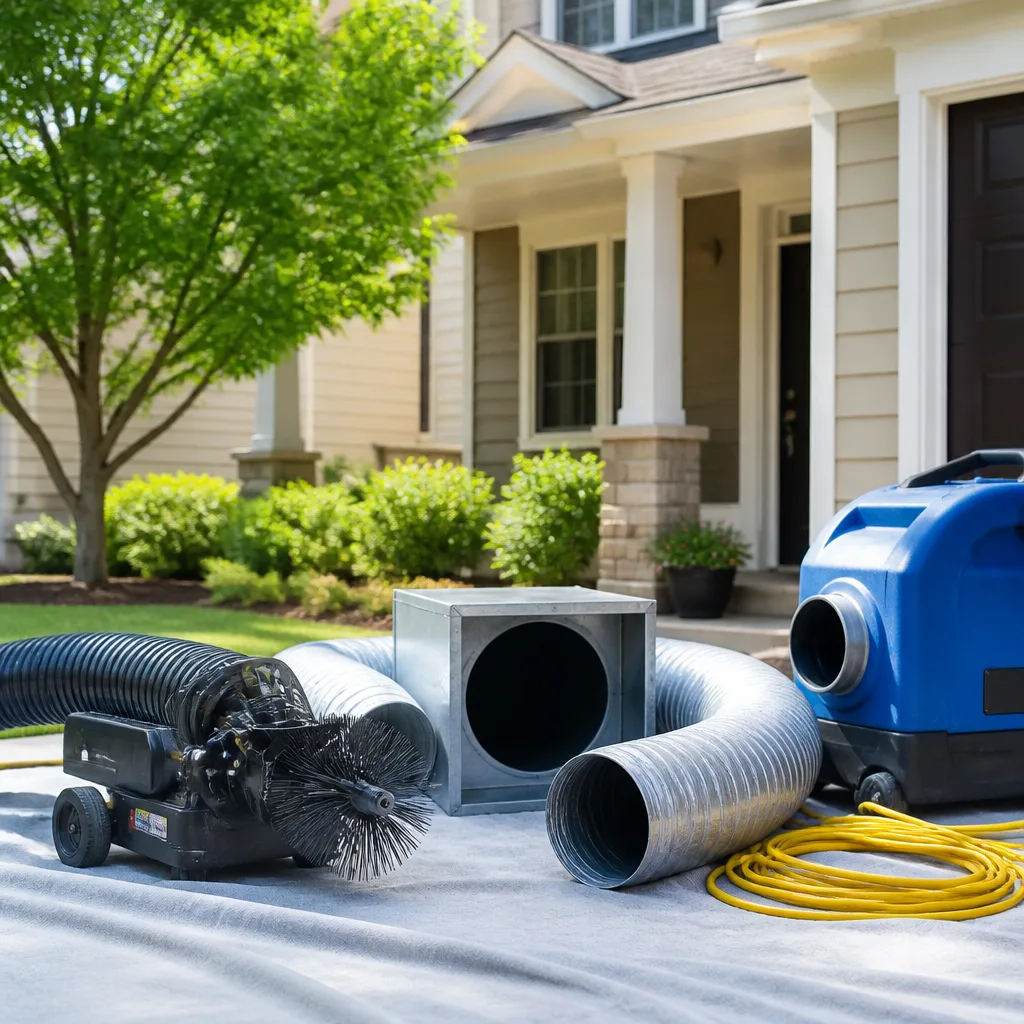 Whole-home duct cleaning
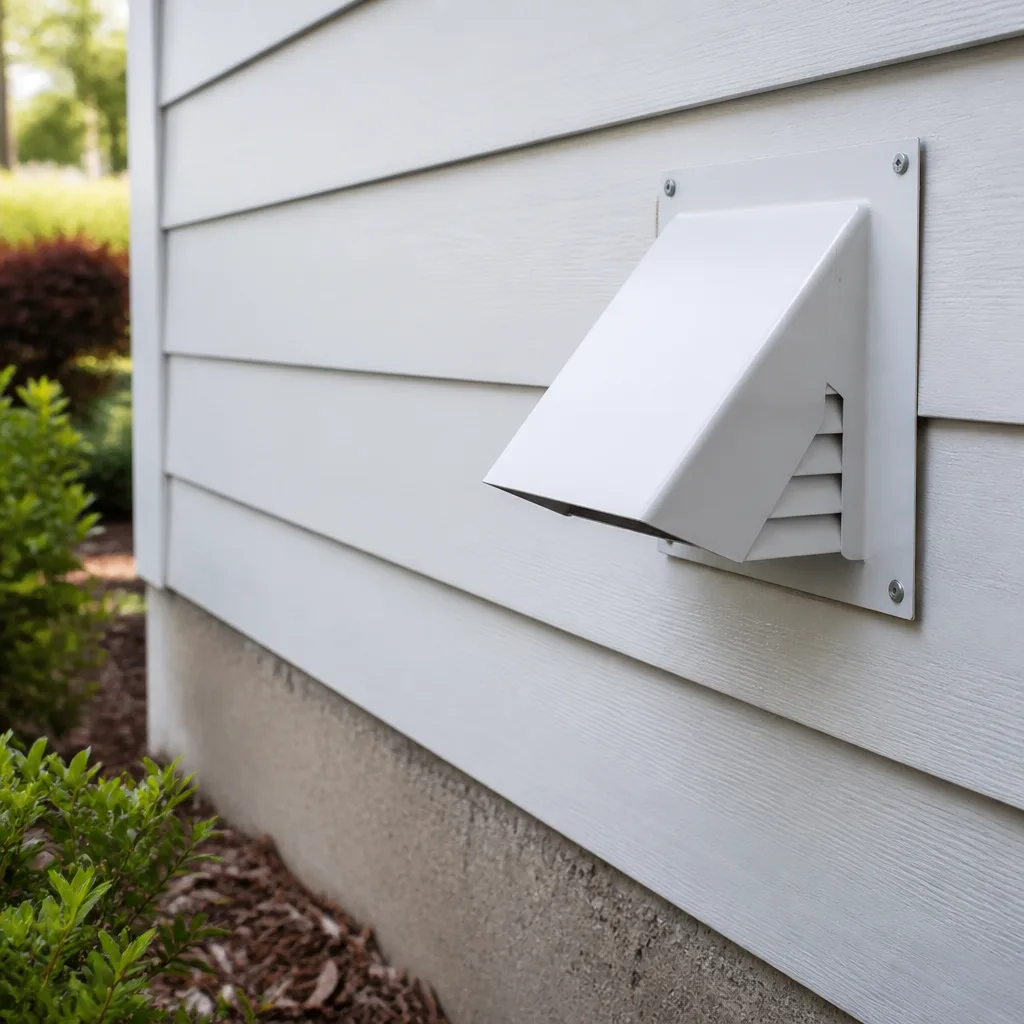 Dryer vent cleaning
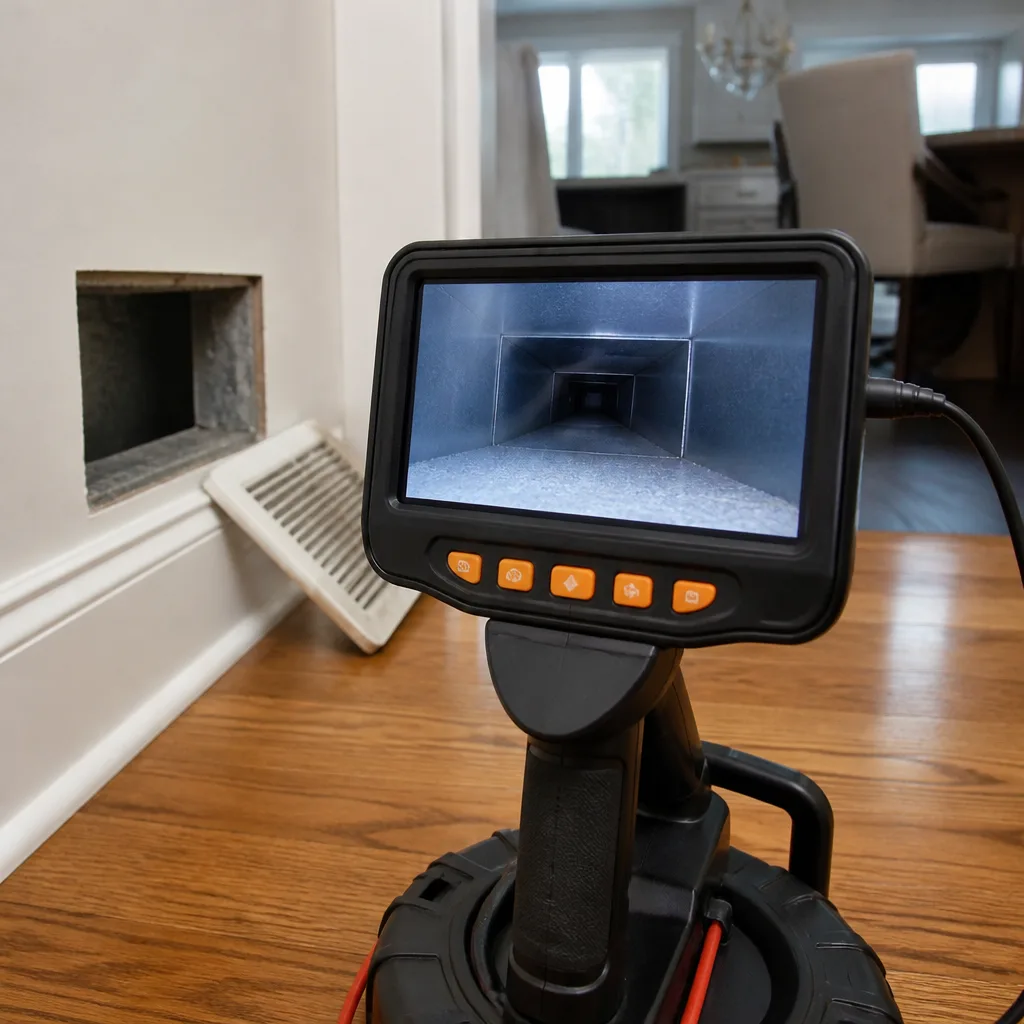 Camera inspection
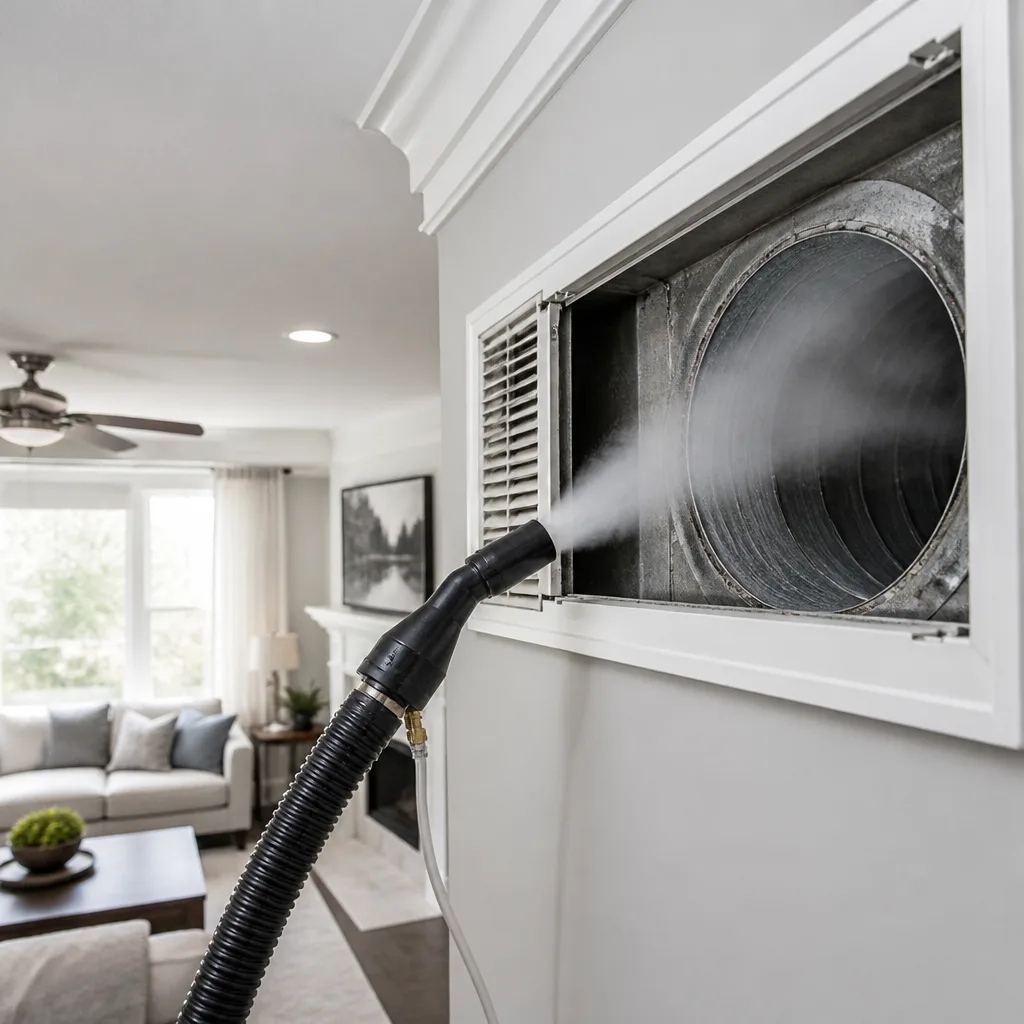 Sanitizing & deodorizing
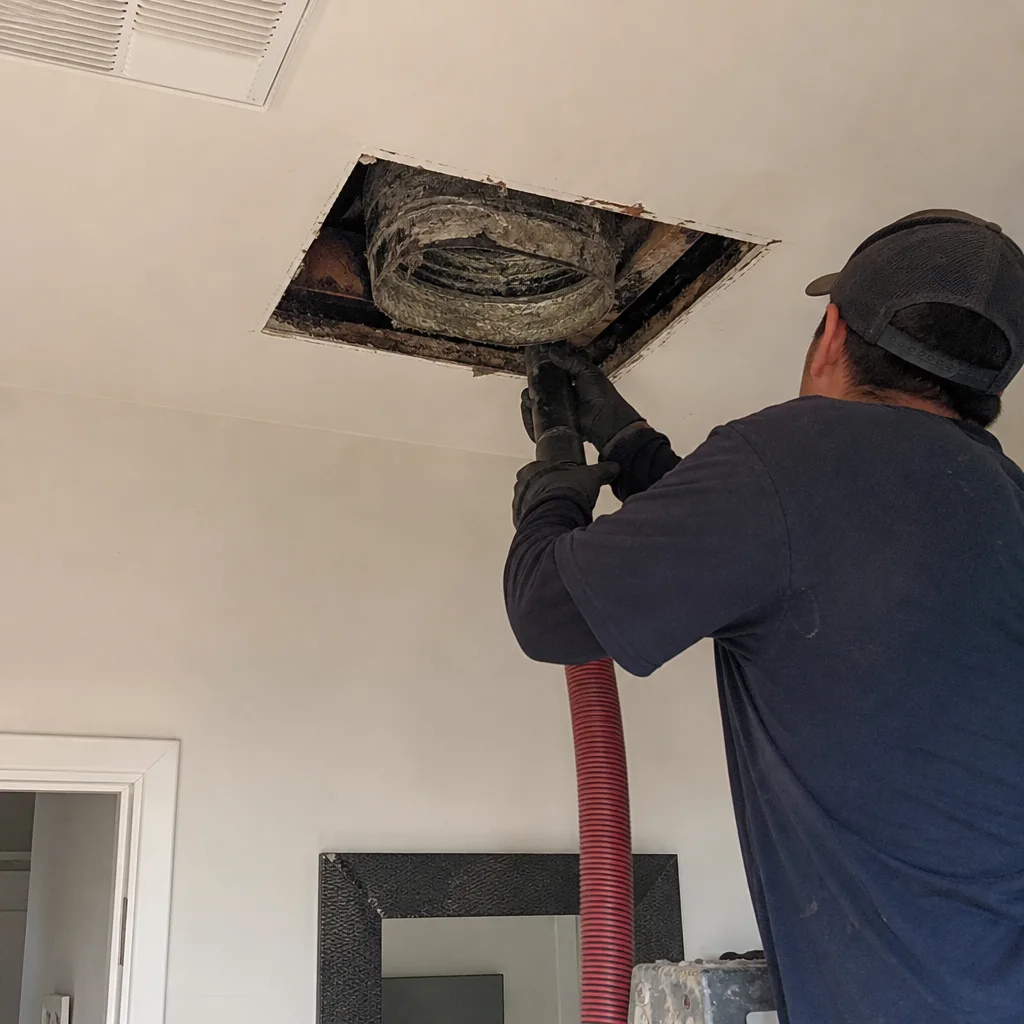
Whole-system duct and dryer vent check with before-and-after photos - you see exactly what came out of your vents
That "$99 whole-house special" is a bait ad - the real number appears once they are in your hallway, or the "clean" is a shop-vac at the register. We photograph the inside of your ducts before and after instead.
How to Hire an Air Duct Cleaning Contractor in Oakland: A Step-by-Step Guide
Here’s a statistic most Oakland homeowners never hear: the EPA explicitly warns that improper duct cleaning can actually dislodge and redistribute contaminants through your home. Read that again. The wrong contractor with the wrong equipment doesn’t just waste your money. They can leave your indoor air measurably worse than before they showed up. This guide walks you through five equipment and process questions that separate genuine duct cleaning specialists from HVAC generalists running what amounts to a glorified shop vac, and how to spot the difference before you book.
Quick Answer
To hire an air duct cleaning contractor in Oakland, verify two things before anything else: that they use negative-air containment equipment to prevent contaminant redistribution during cleaning, and that they perform rotary contact cleaning rather than a surface-level air-whip treatment. Then confirm their walkthrough process, their quote structure, and their California licensing before you schedule. A legitimate specialist will answer these questions directly and without hesitation; a low-bid operator won’t know what you’re asking.
Styles & brands we work with
- Whole-home duct cleaning
- Dryer vent cleaning
- Camera inspection
- Sanitizing & deodorizing
Table of Contents
- The Five Questions That Separate Specialists from Generalists
- What Licenses and Certifications Actually Matter in California
- The $99 Whole-House Economics: Why Low-Ball Offers Cut Corners
- How to Evaluate a Duct Cleaning Quote Line by Line
- Why the Pre-Job Walkthrough Is Non-Negotiable
- What a Proper Oakland Duct Cleaning Actually Looks Like
- Step-by-Step Hiring Process
- Common Mistakes to Avoid
- When to Call a Professional
- Frequently Asked Questions
The Five Questions That Separate Specialists from Generalists
We’ve spent years watching what happens when Oakland homeowners hire generalist HVAC companies for duct cleaning. The pattern is consistent: the company treats it as a bolt-on upsell, sends a technician with a vacuum and a rotating brush they rarely know how to use properly, and the homeowner gets a bill for what amounts to a cosmetic treatment. The difference between that outcome and a genuinely cleaner duct system comes down to five questions you can ask on the phone in under five minutes.
Question 1: What negative air equipment do you use during cleaning?
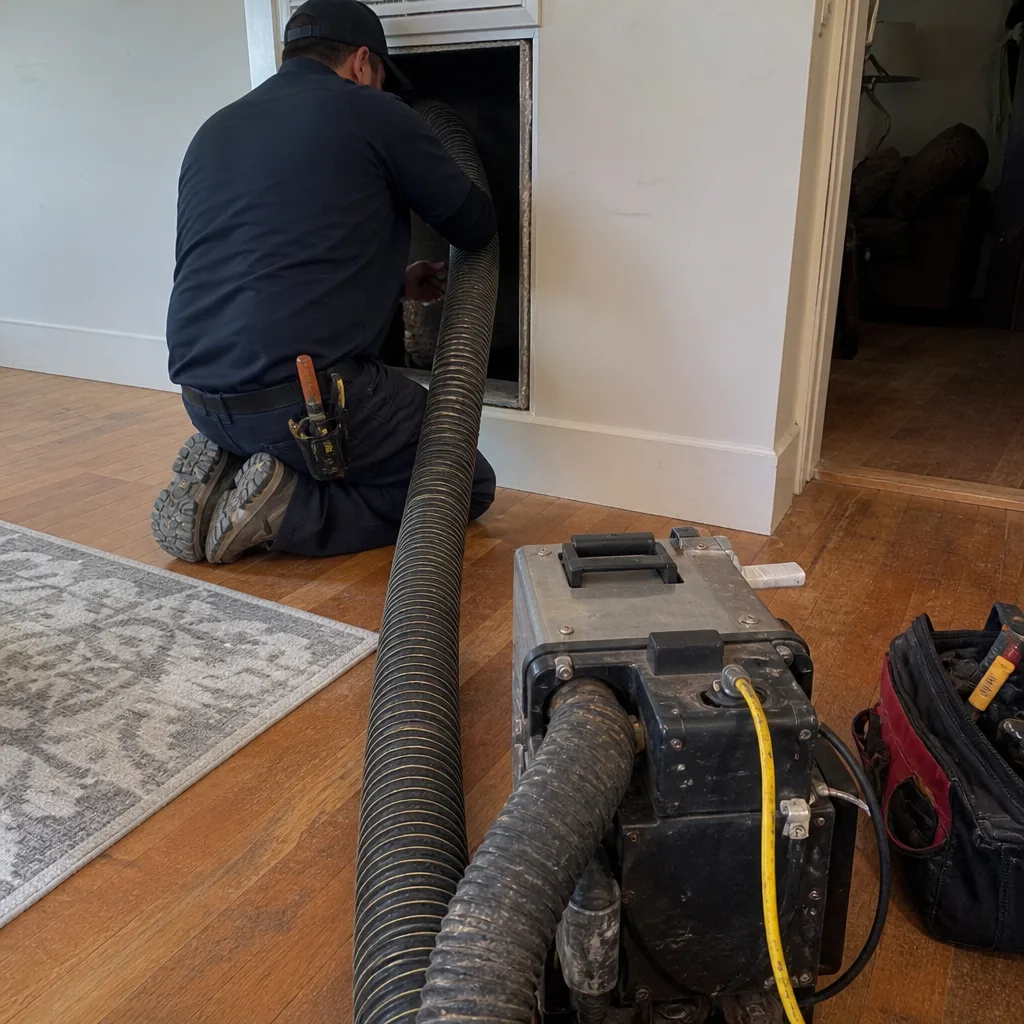
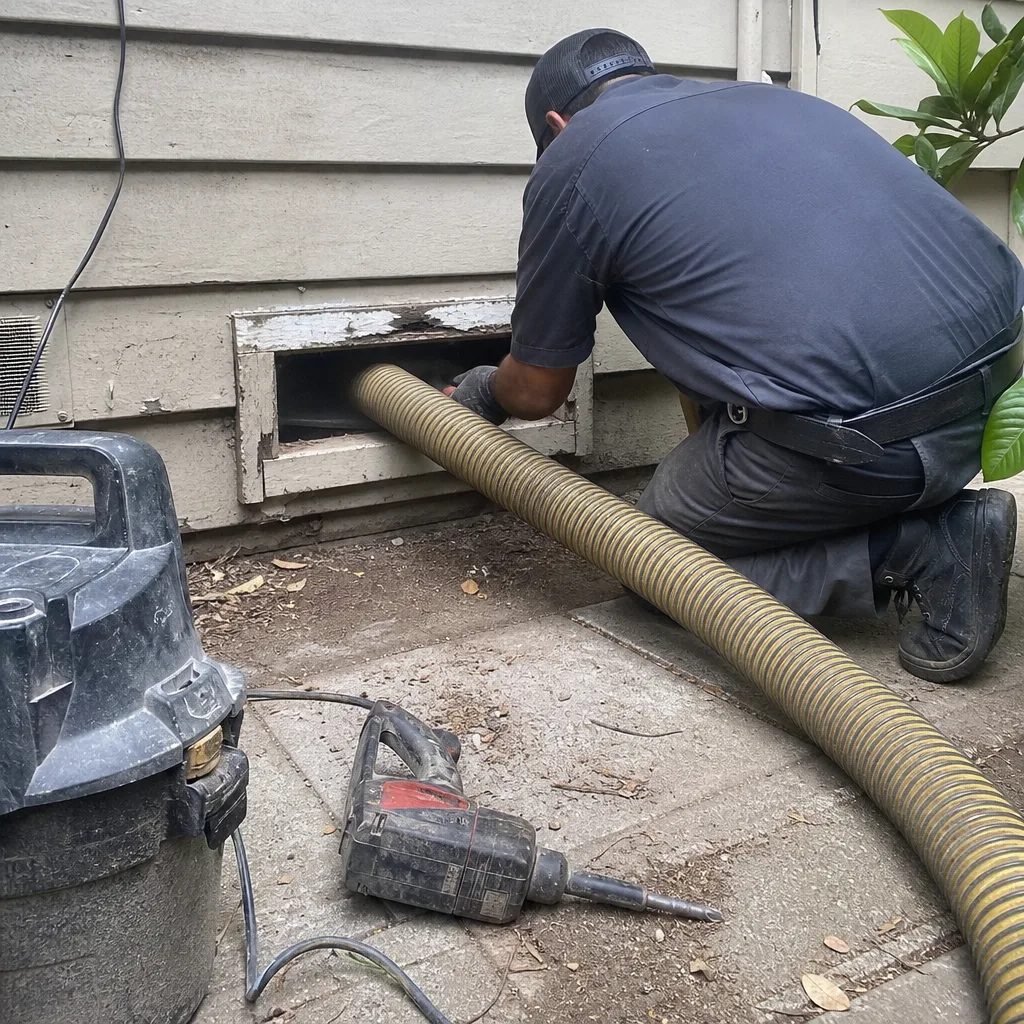
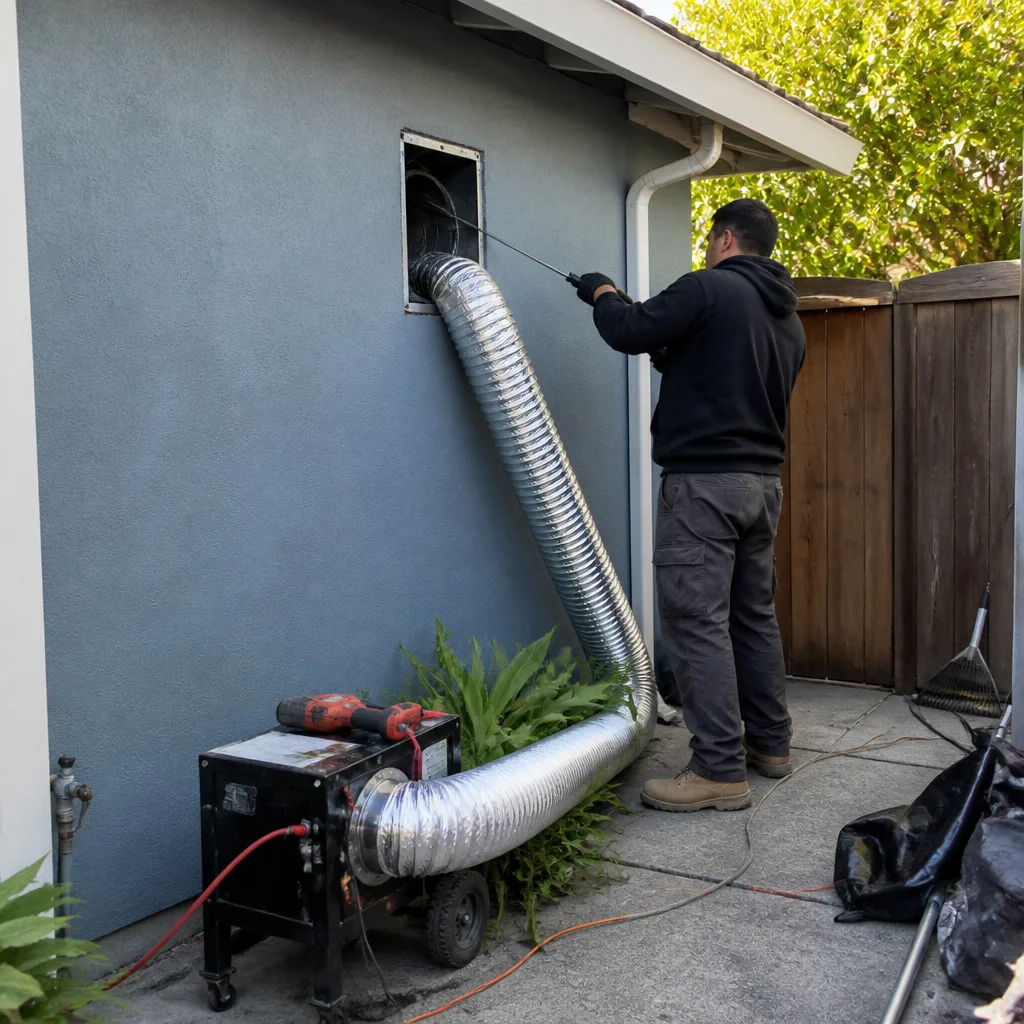
This is the single most revealing question you can ask. Negative air equipment creates a pressure differential that keeps dust, debris, and dislodged contaminants contained during the cleaning process. Without it, whatever gets knocked loose can circulate straight back into your living space. A specialist will name their equipment immediately. We use Abatement Technologies negative-air and HEPA-filtration systems on every job specifically because they contain what we dislodge. If the contractor pauses, says they use “professional equipment,” or mentions a truck-mounted vacuum without referencing containment, that’s your first red flag.
Question 2: Do you perform rotary contact cleaning or only air-whip treatment?
Air-whip treatment uses compressed air to loosen debris. It’s faster, cheaper, and significantly less effective for buildup that has adhered to duct surfaces over years of Oakland’s coastal humidity. Rotary contact cleaning uses a motorized brush that physically scrubs the duct interior. We match the tool to the duct type: our Rotobrush rotary-brush system handles most residential runs, while Nikro industrial extraction equipment handles heavier contamination in larger properties. Ask specifically which method they’ll use and why. A contractor who can’t explain the difference is likely only offering air-whip.
Question 3: How do you isolate zones during the cleaning process?
Proper duct cleaning is done zone by zone. Each section should be sealed off while being worked on so that contaminants from that zone can’t migrate into areas that have already been cleaned. The negative air setup should be positioned to pull from the zone being worked, not the whole house at once. This is a process question that reveals whether a contractor is methodical or just working fast. In our experience, this is where the difference between a three-hour job and a seven-hour job lives.
Question 4: Do you cut access points or work only through existing registers?
Some ducts simply don’t have enough access points to clean thoroughly through existing openings alone. A specialist will explain their approach to access: where they can reach through registers, where they might need to cut a small access panel, and how they seal that panel afterward. Contractors who claim they can clean everything through existing vents with no need for additional access are usually doing exactly what you’d expect: not reaching the deep buildup.
Question 5: What happens if you find damage during the cleaning?
This question reveals whether the contractor has a structural understanding of ductwork or just knows how to push a brush through. Ducts in East Bay homes, particularly older Victorians and mid-century ranchos, often have disconnected joints, rusted sections, or areas where rodent activity has compromised the material. A cleaning-only contractor will note the damage and leave. A specialist will have a repair scope. We offer in-house air duct repair in Oakland specifically because cleaning a compromised system without fixing the break means recontamination within weeks. Ask this question and listen for whether they have a real answer.
What Licenses and Certifications Actually Matter in California
California has one of the more confusing license landscapes for homeowners. Walking into a hiring decision without knowing which credentials carry weight and which are marketing noise is a recipe for overpaying or under-verifying. Here’s what actually matters in Oakland.
What Matters
- California Contractor’s State License (CSLB): Duct cleaning in California falls under the C-20 warm-air heating, ventilating, and air conditioning classification. Verify the license number on the CSLB website. This is non-negotiable, and it’s the one credential that gives you formal recourse if the work is done poorly.
- Workers’ compensation insurance: If the contractor sends employees into your home without workers’ comp coverage and someone gets injured, that becomes your homeowners insurance problem. Ask to see the certificate. This is standard practice for any trade working inside your residence.
- EPA Lead-Safe certification: If your Oakland home was built before 1978, this certification matters more than most homeowners realize. Duct cleaning that disturbs lead paint on older registers or access points without the right containment protocol can create a lead dust hazard. Most duct cleaners don’t carry this; for pre-1978 homes, it’s worth asking.
What’s Marketing Noise
- “Certified” without a specific certifying body: Where is the certification from? A manufacturer training course? A trade association? A YouTube tutorial? The word itself carries no legal weight. Ask who the certifying body is and what the certification required.
- BBB accreditation: The Better Business Bureau is a paid membership organization. It tells you nothing about cleaning quality, equipment, or process. It can be a useful signal for dispute history, but it isn’t a credential.
- General liability insurance alone: Almost every legitimate business carries general liability. It protects the company, not the quality of the work. It’s table stakes, not differentiation.
The practical takeaway: in Oakland, a legitimate specialist should hold a CSLB C-20 license, carry workers’ comp, and be able to name their equipment and process without hesitation. Everything else is secondary.
The $99 Whole-House Economics: Why Low-Ball Offers Cut Corners
The Bay Area is saturated with duct cleaning coupons. $99 whole-house specials. $69 “vent packages.” $49 room rates. These numbers don’t work for a contractor doing the job properly, which tells you something about how the job is being done.
Let’s run the math on what a legitimate Oakland duct cleaning actually costs to perform. A proper residential job requires: a trained technician (not a day laborer), negative air containment equipment, a rotary brush system suited to the duct type, HEPA filtration, access point cutting and sealing materials, and four to seven hours on site. That’s a labor and equipment overhead of $600-$900 for an average 2,000 square foot Oakland home before the company turns a dollar of profit. A $99 special cannot cover that. It cannot cover half of that.
What the Low-Ball Contractor Actually Does
- The bait-and-switch: The $99 gets a technician in the door. Once he’s there, he “discovers” mold, pest activity, or “severe buildup” requiring an additional $700-$1,200 in treatment. The $99 was never the real price; it was the cost of the sales visit.
- The air-whip shortcut: No rotary brushing, no containment, no negative air. Twenty to forty minutes of compressed air through the registers, a shop vac at the return, and done. Dust gets blown around, settles somewhere else in the system, and is back in your air supply within weeks.
- The per-vent upsell: You’re quoted $99 for “up to 10 vents,” then told your home has 22 vents and each additional one is $35. Real whole-system pricing has no per-vent structure. One flat price per system, agreed before work starts, is the only honest model.
We work differently: one flat price for the entire system, quoted after a walkthrough, with no per-vent add-ons and no “just discovered” markup. If a quote seems too good to be true in a market where labor and insurance cost what they do in Oakland, that’s because it is.
How to Evaluate a Duct Cleaning Quote Line by Line
Most homeowners evaluate a quote by looking at the bottom number. That’s the wrong place to start. The line items tell you whether the contractor intends to do the job at all, or just intends to get your signature. Here’s what a legitimate quote should include, what vague language signals, and what should make you walk away.
Line Items That Should Appear on a Proper Quote
- System scope: The quote should identify the number of supply and return ducts, the number of registers, and the type of system (forced air, heat pump, etc.). If it just says “duct cleaning, whole house,” that’s not a scope; that’s a guess.
- Equipment and method: The quote should specify the equipment that will be used and the cleaning method. “Rotary brush cleaning with HEPA-filtered negative air containment” tells you exactly what’s happening. “Professional-grade cleaning” tells you nothing.
- Access panel language: If the contractor identified areas during the walkthrough where access panels will need to be cut and sealed, that should appear on the quote with a note that sealing is included in the price.
- Dryer vent status: A thorough quote will note whether dryer vent cleaning is a separate service with separate pricing, not a “free add-on” that ends up being bundled into the main line item.
- Repair identification: If the walkthrough identified disconnected joints, rusted sections, or damaged ducts, the quote should clearly separate cleaning scope from repair scope. A contractor who buries repair costs inside a vague “cleaning and restoration” line is obscuring what you’re actually paying for.
Vague Language That Signals Trouble
- “As needed” without any definition: “Access panels as needed” should be “up to three access panels.” “Repairs as needed” should be “repair of two disconnected joints identified during walkthrough.” “As needed” on a quote is code for “the price might change once we’re inside.”
- “Up to”: “Up to 12 vents,” “up to 1,500 square feet.” This hedges the scope. Your house either has 14 vents or it doesn’t; the walkthrough determines that, and the quote should reflect it specifically.
- “Sanitizing”: This word appears on quotes as an expensive add-on with no defined substance. Are they fogging a disinfectant? Which EPA-registered product? Is it appropriate for duct interiors? A legitimate contractor can name the specific treatment and explain why it’s needed. Most of the time, it isn’t needed at all.
- “Mold remediation” without testing: No one can visually confirm mold. Confirming mold requires lab testing. A legitimate contractor will recommend testing before claiming remediation is needed.
What the Bottom-Line Number Should Look Like
In Oakland’s market, a legitimate whole-system duct cleaning for a typical 2,000-2,500 square foot home runs in the $450-$800 range, depending on the number of ducts, the level of contamination, and whether any access panels need to be created. The number should be one flat price for the entire system, agreed before work starts. We don’t use per-vent pricing because it’s a bait structure. You should know the total cost before the van arrives, and there should be no reason for that number to change during the job.
Why the Pre-Job Walkthrough Is Non-Negotiable
One of the clearest tells between a professional duct cleaning operation and a same-day-schedule volume business is whether a walkthrough happens before the work is quoted. A specialist wants to see the system first. A volume operator wants to get a truck in the driveway as fast as possible and will quote over the phone without ever laying eyes on your ducts.
The walkthrough serves three purposes that cannot be replicated by asking you how many vents you have.
1. Duct Layout Assessment
Oakland’s housing stock is wildly inconsistent. A 1920s bungalow in Maxwell Park has different ductwork than a mid-century rambler in Redwood Heights, which has different ductwork than a newer build near Lake Merritt. Some systems have adequate access through registers. Some have long runs with no serviceable access. Some have flex duct that tears under aggressive brushing and requires a gentler extraction approach. A contractor who sees the system before quoting knows which tool to bring and how long the job will genuinely take.
2. Access Point Identification
The walkthrough identifies where access panels need to be cut and sealed. This matters for the quote to be accurate and for the homeowner to understand what the job involves. It also prevents the mid-job surprise where a contractor discovers they can’t reach a section of duct and either skips it or charges more to get at it.
3. Contamination-Level Inspection
Not every home needs the same cleaning intensity. A home with pets, recent renovation work, or visible dust at the registers needs heavier extraction than a home with mild accumulation. The walkthrough lets the contractor match the tool to the task. Our Rotobrush system handles standard residential buildup; our Nikro equipment handles heavier contamination in larger systems or properties with known allergen issues. You want a contractor with access to multiple tools, not one who brings the same setup to every job.
If a contractor is willing to give you a firm quote over the phone without walking the system, that quote is a guess. And you’re the one who pays for the guess.
What a Proper Oakland Duct Cleaning Actually Looks Like
Understanding the process before you hire separates homeowners who can spot quality from homeowners who trust the van’s lettering. Here’s what a legitimate duct cleaning involves, start to finish, in an Oakland home.
Pre-Cleaning Setup
The technician identifies the main return and supply plenums. Negative air equipment is positioned at the return side to create a pressure differential that will pull dislodged contaminants toward the collection system rather than through the living space. Registers in zones that aren’t being actively worked are sealed. The goal is containment first, cleaning second.
The Cleaning Pass
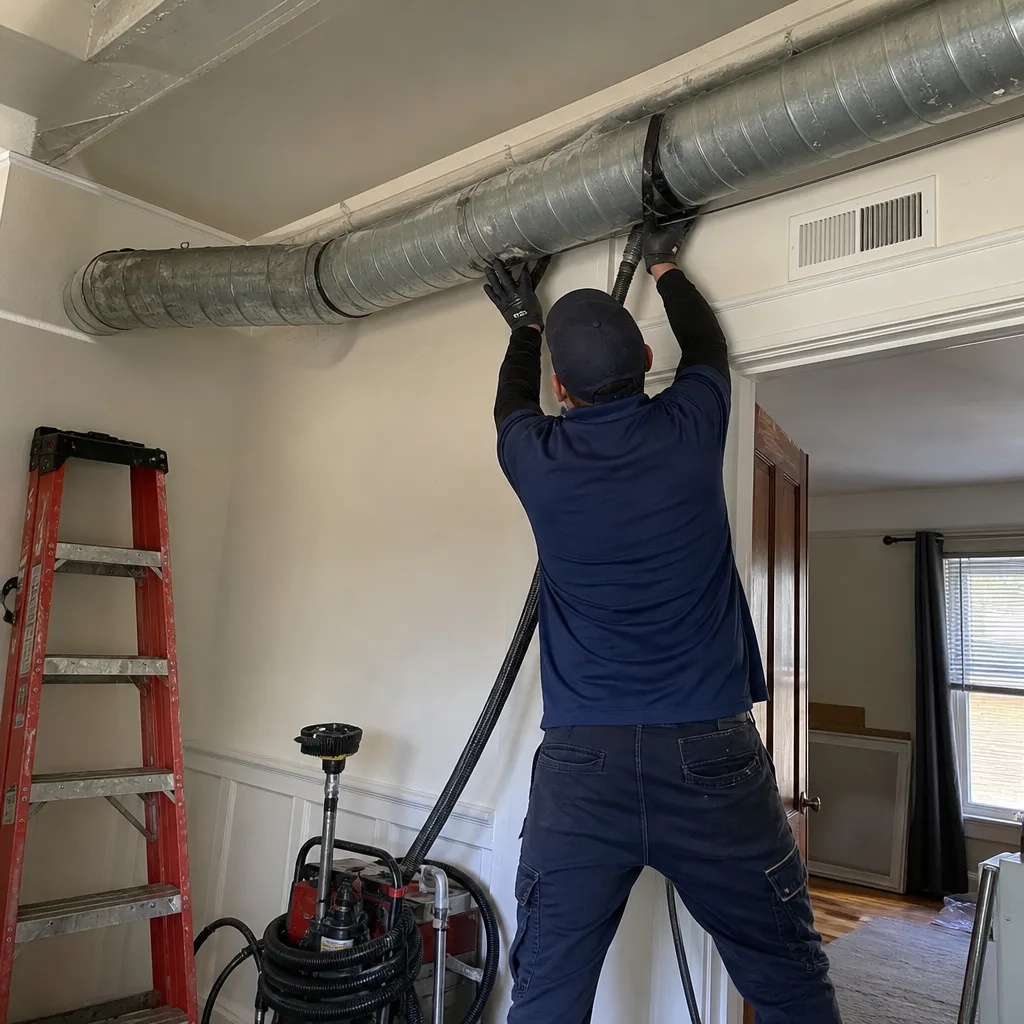
Working zone by zone, the technician runs rotary contact cleaning through the supply ducts. The brush’s rotation physically breaks up adhered debris, and the negative air stream carries it toward the HEPA filtration system. On systems we clean, this is where the difference between our Abatement Technologies containment setup and a basic vacuum becomes obvious: the dust doesn’t drift into the hallway.
Access Panel Work
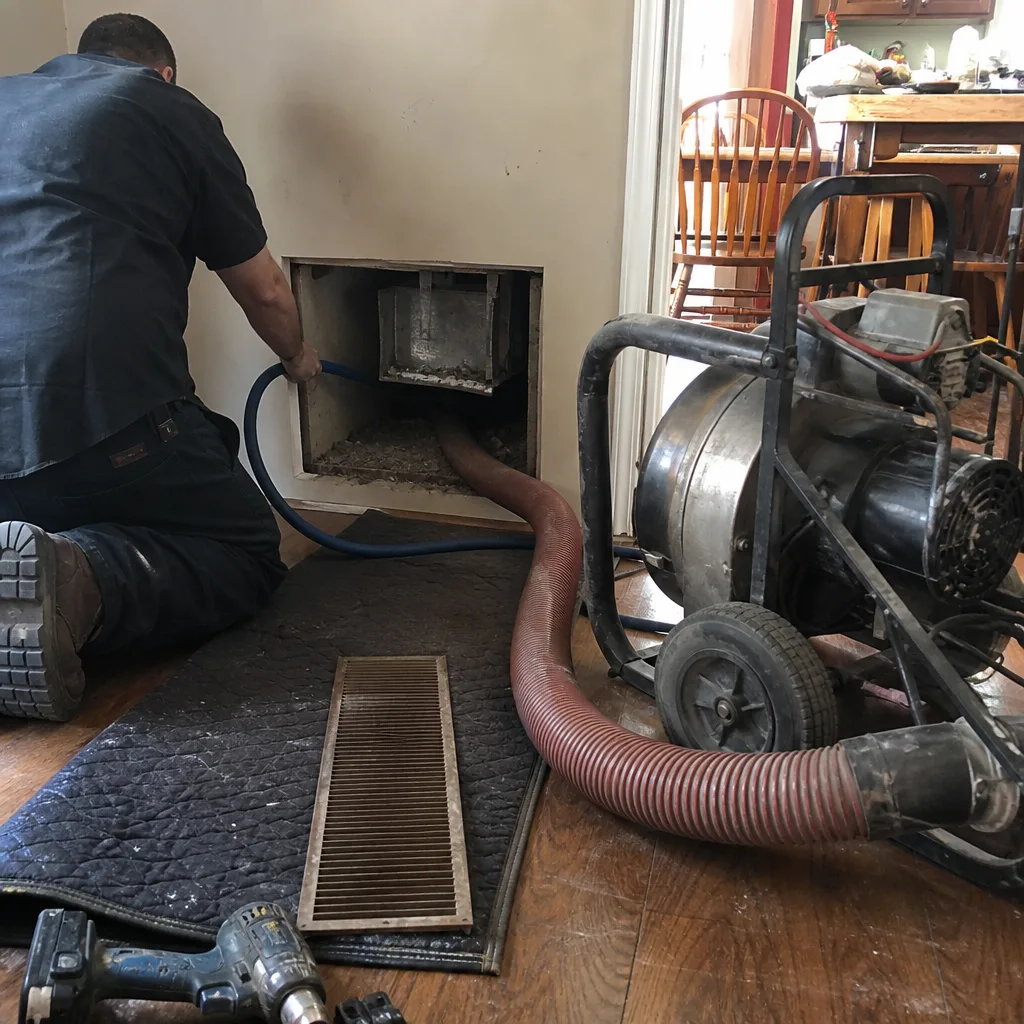
Where the system’s design prevents full access through existing registers, access panels are cut strategically, cleaned through, and sealed with material appropriate to the duct type. A sloppy contractor cuts more panels than needed and seals them poorly. A careful one minimizes cuts and seals to original thickness.
Return Side and Plenum Cleaning
The return side of the system often carries the most debris because it pulls unfiltered air from the living space. A thorough cleaning addresses the return ducts and the plenums where the system’s air actually enters the mechanical equipment. Contractors who skip the return side are doing half a job.
Post-Cleaning Verification
After the extraction is complete, the technician should walk the system with you, showing before-and-after photos of the duct interiors. If a contractor doesn’t offer visual proof of what was actually cleaned, you have no way to verify the work happened at all. Cameras are cheap; the willingness to show you the inside of your own ducts is a trust signal.
Step-by-Step Hiring Process
If you’re ready to hire, here’s the sequence we recommend for Oakland homeowners, from first inquiry to final payment.
- Build a shortlist of three contractors: One generalist HVAC company, one dedicated duct cleaning specialist, and one additional specialist for comparison. The goal is to see how different answers to the same questions reveal expertise gaps.
- Call each and ask the five equipment questions from the first section of this guide. Take notes. You’re listening for specificity: equipment names, process descriptions, walkthrough policies.
- Verify California licensing on the CSLB website for any contractor who passes the phone screen. Confirm workers’ comp coverage exists.
- Schedule a walkthrough with the top two candidates. A legitimate contractor will want to see the system before quoting. If someone quotes over the phone at this point, drop them.
- Review quotes line by line using the evaluation framework above. Look for one flat system price, specified equipment, defined access panel scope, and clear separation between cleaning and any repair work.
- Ask for before-and-after photo verification as a condition of the job. A contractor who can’t or won’t show you duct interiors after cleaning is not someone to hire.
- Confirm the schedule and the price in writing. No add-ons, no per-vent structure, no mid-job “discoveries.” The price you sign is the price you pay.
Common Mistakes to Avoid
- Hiring an HVAC company that treats duct cleaning as a side service. Duct cleaning is a distinct discipline with its own equipment and process. A company that installs furnaces brilliantly may clean ducts poorly, and the EPA warning about contaminant redistribution applies to exactly this scenario.
- Falling for the $99 whole-house coupon. The economics don’t work. You’ll either get a bait-and-switch upsell or a surface-level treatment that stirs up more dust than it removes. The average Oakland home cannot be properly cleaned for less than several hundred dollars of labor and equipment overhead.
- Accepting a quote with no equipment or process specified. “Professional duct cleaning” is not a scope. It’s a slogan. The quote should name the equipment, the method, the number of ducts, and the access panel plan.
- Skipping the walkthrough. A phone quote for duct cleaning is a manufactured number. The contractor needs to see your system to know what’s involved. Any firm price given without a walkthrough is either a scam or a guess; both are unacceptable.
- Choosing a contractor who doesn’t offer repair scope. Oakland’s older homes frequently have duct damage that a cleaning will expose but not fix. A cleaning-only company will leave you with a clean system that still leaks or re-contaminates, and you’ll pay twice when you eventually find someone to do the repair properly.
- Ignoring the dryer vent. A dryer vent isn’t a minor chore. It’s a fire-risk checklist item. Ask whether the contractor treats dryer vent cleaning as a dedicated safety service or a throw-in. The distinction tells you a lot about their standards.
- Hiring on price alone in a market like Oakland. We’ve seen the same pattern repeatedly: the cheapest bid usually comes from the contractor with the least equipment and the shortest process. You’re not paying for a bus ticket; you’re paying for the containment that keeps your air from getting worse.
When to Call a Professional
Some situations don’t justify deliberation. If you’ve recently completed renovation work that produced drywall dust, if you moved into an older Oakland home with unknown maintenance history, if you’re seeing consistent dust accumulation around registers within days of cleaning, or if anyone in the house is dealing with unexplained respiratory symptoms that improve when they’re away from home, call a specialist now. These are signals that your duct system is actively contributing to your indoor air quality, not just sitting there passively. Hallmark Air Duct Cleaning offers free estimates in Oakland. Call (833) 467-6681 to have a technician walk your system and give you a real assessment, not a phone guess.
Frequently Asked Questions
A legitimate whole-system duct cleaning in Oakland typically runs $450 to $800 for a 2,000 to 2,500 square foot home, depending on the number of ducts, contamination level, and whether access panels need to be created. Be wary of any quote significantly below that range; the $99 specials are bait for upsells. Call (833) 467-6681 for an exact quote after a walkthrough. Estimates are free.
Insist on before-and-after photo verification of the duct interiors. A professional contractor uses a camera to document the condition before cleaning and show you the results afterward. If they can’t or won’t provide visual proof, you have no way to verify the work happened at all, let alone that it was done properly.
Because the cheaper contractor is doing less. A $99 or $199 whole-house quote cannot cover the labor, equipment, and containment costs of a proper job in the Bay Area. The low price reflects either a bait-and-switch model where the real price comes after the technician arrives, or a surface-level air-whip treatment that dislodges contaminants and leaves them to resettle in your home. The EPA’s warning about improper cleaning making air quality worse applies directly to these scenarios.
For most Oakland homes, every three to five years is a reasonable interval, though homes with pets, recent renovation work, or occupants with allergies may benefit from more frequent service. The determining factor is what the ducts actually contain. A walkthrough with a camera inspection is the only way to know whether cleaning is warranted rather than guessing by time elapsed.
Duct cleaning itself is a legitimate service when performed with the right equipment and process. What makes it feel like a scam is the persistent pattern of low-ball pricing, fake “mold discovery” upsells, and surface-level treatments that don’t actually remove adhered debris. The service isn’t the problem; the operators who treat it as a coupon lead-generation scheme are. A specialist who uses negative air containment and rotary contact cleaning and shows you before-and-after photos is delivering a real, verifiable service.
It can, if the ducts are actually contributing contaminants to your air supply. Duct systems in Oakland homes can harbor pollen, dust mite debris, and particulate matter that recirculates through the living space. Cleaning removes that reservoir. However, cleaning alone won’t solve allergy problems caused by unfiltered outdoor air intrusion. The walkthrough should identify whether your duct system is a meaningful source and whether repair work is needed to prevent recontamination.
The Bottom Line
Hiring a duct cleaning contractor in Oakland comes down to five phone questions, one walkthrough, and a quote you can hold to. Ask about negative air containment, rotary contact cleaning, zone isolation, access panels, and repair capability. Insist on a pre-quote walkthrough. Reject per-vent pricing and vague scope language. Demand before-and-after photo verification. A legitimate specialist passes all of these tests without breaking stride. A generalist running a shop vac won’t make it past question one. Choose accordingly.
Written by the team at Hallmark Air Duct Cleaning, serving Oakland since 2011.
See the difference
 Before
 After
 Before
 After
 Before
 After